
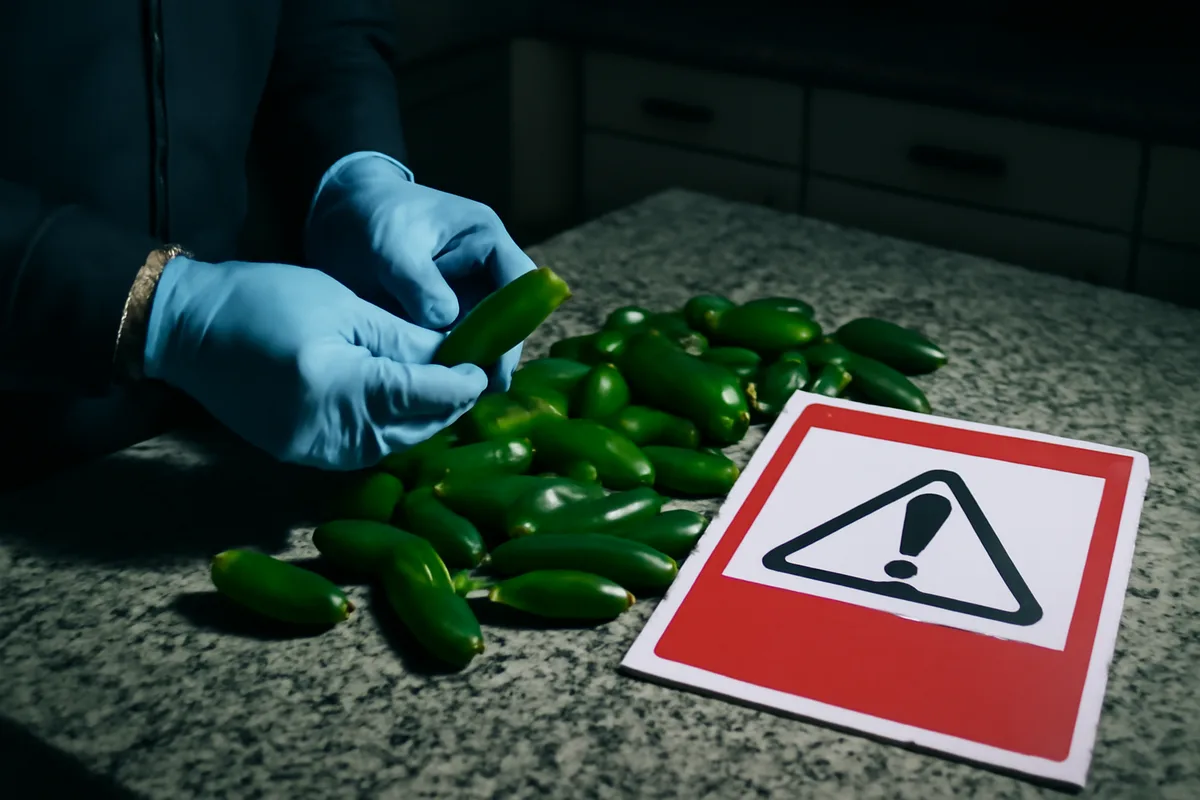
Chipotle has temporarily pulled jalapeño peppers from many of its locations after public health officials linked the spicy ingredient to a cluster of Salmonella illnesses. The move has stirred concern among customers and fueled questions about how the salsa favorite became a vector for infection and what diners should do now.
How Chipotle responded to the Salmonella link
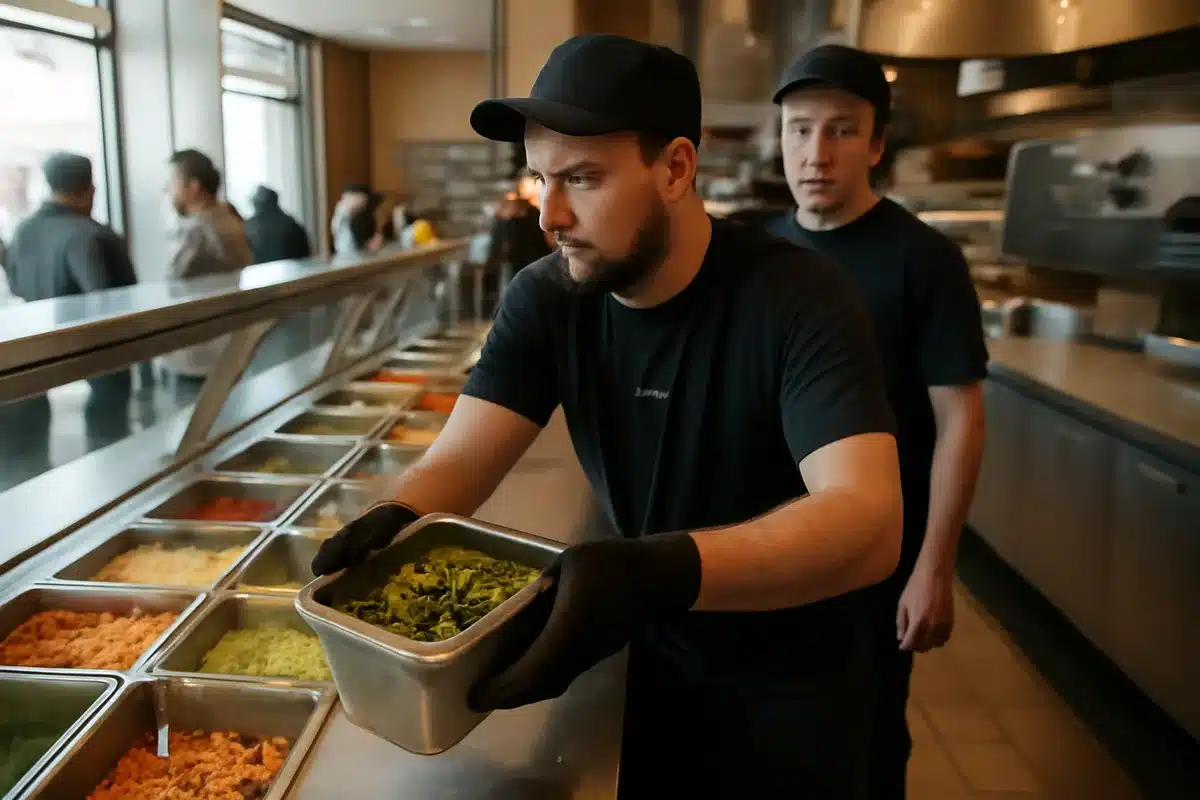
When health agencies flagged a possible connection between jalapeños and reported Salmonella cases, Chipotle acted quickly. The chain removed jalapeños from menus at affected restaurants and stopped serving certain fresh salsas. Company spokespeople said the steps were precautionary while investigators traced the source.
- Immediate removal: Jalapeños were taken out of circulation at many stores.
- Supply checks: Chipotle reportedly halted use of suspect lots from its suppliers.
- Coordination with health officials: The company is cooperating with local and federal agencies.
What Salmonella exposure typically looks like
Salmonella is a bacterial infection that affects the intestines. It commonly spreads through contaminated food or water. Symptoms usually begin within hours to days after exposure.
Common signs to watch for
- Diarrhea, sometimes bloody
- Abdominal cramps and pain
- Fever and chills
- Nausea and vomiting
- Fatigue and dehydration in severe cases
Most healthy people recover in a few days. But infants, older adults, pregnant people, and those with weakened immune systems may experience severe illness and need medical care.
Should you be worried if you ate at Chipotle recently?
Risk depends on timing and what you ate. If you consumed dishes that clearly contained jalapeños, your potential for exposure is higher. If your entrée lacked fresh jalapeño pieces, the risk is lower but not zero.
Practical steps if you ate at an affected location
- Monitor your health for 72 hours to a week.
- Watch for symptoms listed above.
- Seek medical care if you develop severe symptoms or dehydration.
- Report illness to your local health department—it helps investigators.
How public health investigators trace a foodborne outbreak
Investigators combine lab testing, patient interviews, and supply chain analysis. They look for common meals, purchase dates, and supplier information. Whole genome sequencing helps link clinical samples to food samples.
- Patient interviews identify common exposures.
- Lab tests confirm the same strain in multiple people.
- Traceback studies follow produce from store or restaurant back to the farm or distributor.
Where contamination can happen in the jalapeño supply chain
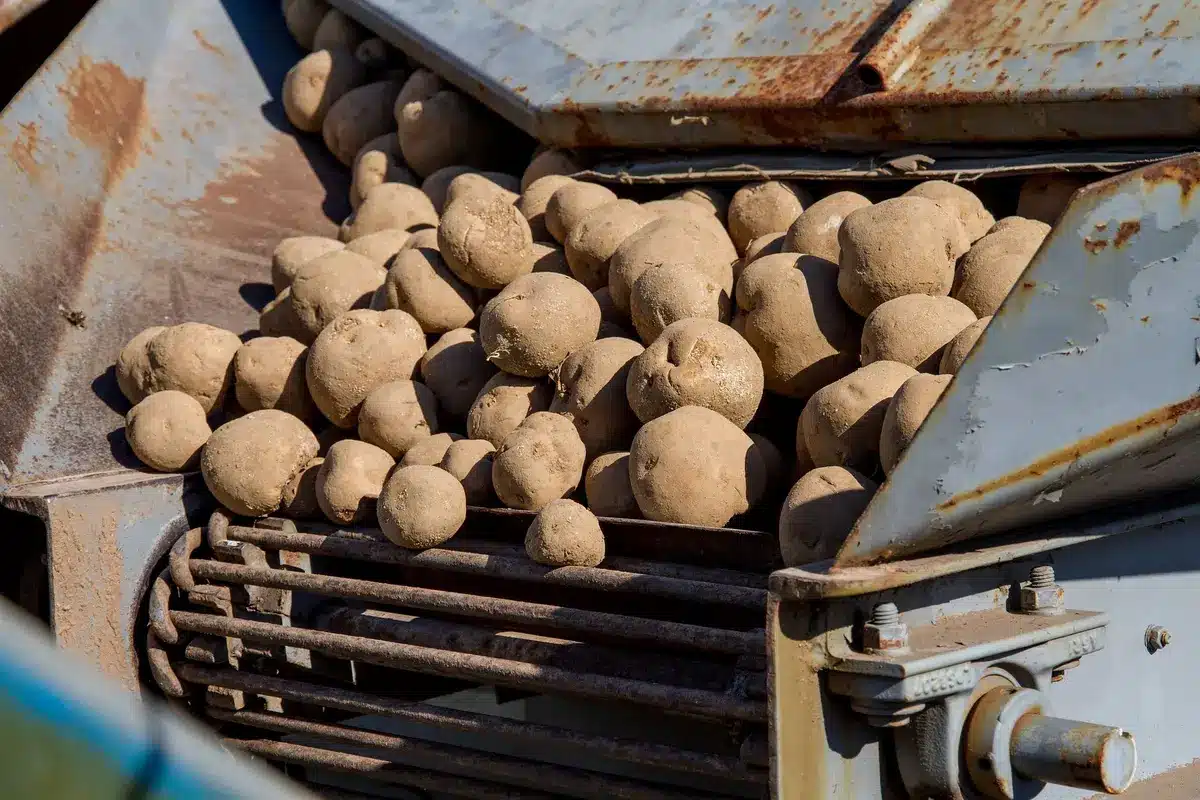
Fresh produce can be contaminated at many points. Contamination may occur in the field, during harvest, in packing facilities, or during transport. Irrigation water, animal contact, and worker hygiene are common risk factors.
Why leafy and fresh produce are vulnerable
- No cooking step to kill bacteria.
- Surface damage can trap microbes.
- Multiple handling steps increase exposure risk.
What restaurants do to prevent Salmonella
Standard controls include supplier verification, sanitation protocols, staff training, and temperature controls. For fresh produce, many restaurants use approved suppliers and follow strict washing and handling rules.
- Supplier audits and testing programs.
- Cleaning schedules for prep areas and utensils.
- Employee hygiene and sick-leave policies.
How to reduce your personal risk with fresh produce
You can lower exposure by taking a few simple precautions at home and when dining out.
- Wash hands before handling food.
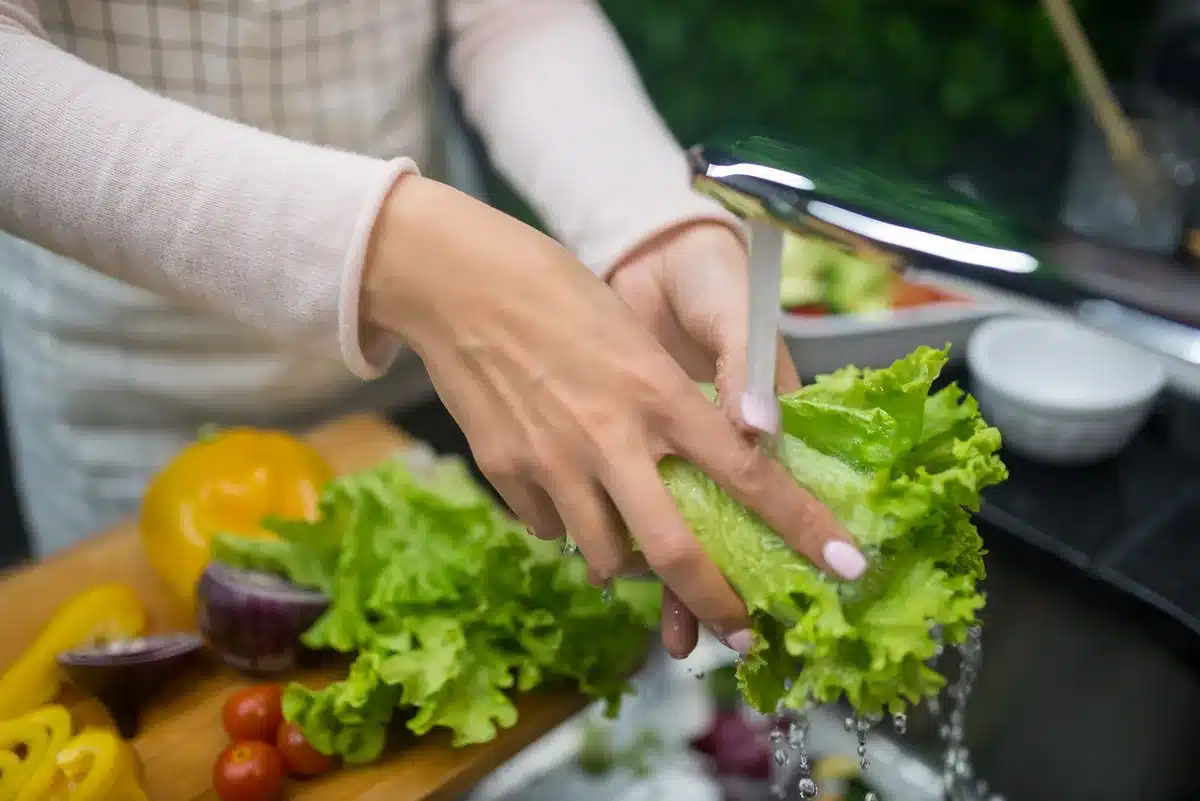
- Rinse produce under running water; scrub firm items.
- Avoid cross-contamination with raw meats.
- Choose cooked options if you’re in a high-risk group.
When to contact a doctor or health authorities
If you have persistent high fever, severe abdominal pain, bloody diarrhea, or signs of dehydration, seek medical attention. Tell clinicians about recent meals and travel. Local health departments collect reports and can help identify outbreaks.
Useful information to provide
- Date and location of the meal
- What you ordered and any suspected ingredients
- Onset and type of symptoms
What to expect next from Chipotle and regulators
Companies and health agencies typically continue testing, issue advisories if needed, and remove suspect products. If a supplier is identified, recalls or broader removal from the market can follow. Updates are often posted on official channels.
Watch for alerts from the CDC, FDA, and local health departments. These provide verified guidance and next steps for consumers and businesses.
Similar Posts:
- Cyclospora outbreak: don’t ditch fruits and veggies, here’s why
- Morrisons allergy recall: do not eat mislabelled crisps after urgent warning
- Listeria outbreak linked to 4 deaths: tainted pasta meals sold at Trader Joe’s, Walmart
- Shredded cheese recall: over 1 million bags pulled for metal particles and listeria
- Salmonella Scare: 7 Hospitalized from Home Delivery Meals, What You Need to Know

Cole is a passionate vegan dessert artist with a knack for turning indulgent classics into plant-based masterpieces. His sweet creations are where flavor meets conscious living.