Make crispy two-ingredient bread in 10 minutes with no oven needed

Baking bread at home became a new national pastime during the first lockdown in 2020. Who would have thought that the smell of fresh bread rising in the kitchen could bring hope to such uncertain days? But as many quickly learned, getting the perfect recipe – not to mention achieving that crave-worthy, crisp crust and delicious flavor – isn’t always a piece of cake… or should we say, a slice of bread. And if you don’t have an oven? Well, the mission can seem downright impossible.

Read more

The best sport to practice after 60 (and no, it’s not walking)

The best sport to practice after 60

Staying active after 60 isn’t just about keeping fit — it’s about preserving mobility, maintaining independence, and enjoying life without constant aches and pains. While walking is often the go-to recommendation, there’s another practice that offers even greater benefits for body and mind: yoga.

Read more

Doctor reveals which muscle to train to reduce sugar levels efficiently

Doctor reveals which muscle to train to reduce sugar levels

High blood sugar isn’t just a concern for people at risk of diabetes — athletes and everyday fitness enthusiasts alike benefit from keeping glucose under control. According to a medical expert, the key lies not in complicated diets or supplements, but in training one specific set of muscles: your legs.

Read more

Belly Fat Linked to Daily Habits, but Sustainable Loss Remains Achievable for All

Belly Fat Linked to Daily Habits

The sun is finally shining—summer is here! As every year, the approach of summer holidays brings with it a flurry of “summer body” campaigns: people resort to restrictive diets, hoping to shed a few extra kilos before hitting the beach. However, thanks to the rise of the body positive movement—which promotes self-acceptance—many are breaking free from the tyranny of thinness.

Read more

Abdominal fat: an expert shares 8 ways to lose it steadily and effectively

8 ways to lose belly fat

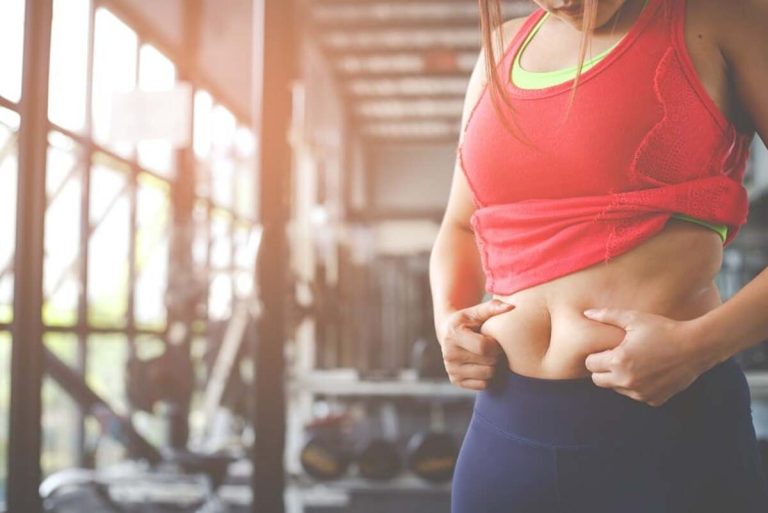
For many of us, a stubborn waistline isn’t just a matter of vanity—it’s a real health concern. Abdominal fat, especially the visceral kind that wraps around organs, is linked to heart disease, type 2 diabetes, and even stroke. The tricky part? You can’t simply “spot reduce” belly fat. The solution lies in adopting a set of long-term lifestyle habits rather than searching for quick fixes.

Read more

Sprouted onions: are they actually safe to eat?

Are they actually safe to eat?

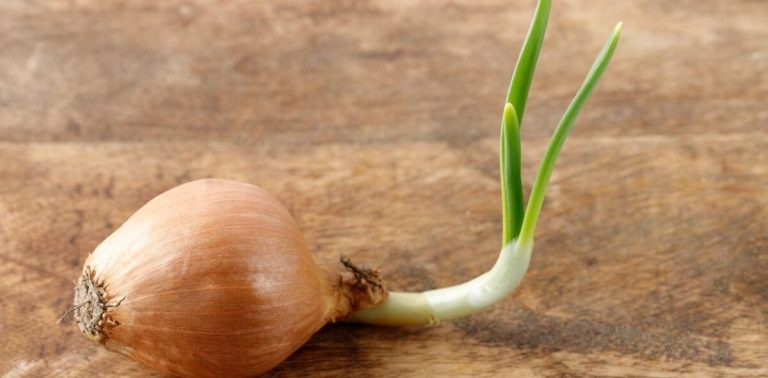
We’ve all been there: you reach into the back of the cupboard for an onion, only to find it has grown a green shoot worthy of a windowsill plant. The question is, do you toss it straight into the bin, or can it still make its way into dinner? The truth might surprise you.

Read more

After three years, human urine boosts harvest yields by an average of 30 percent

If the thought of spending a tranquil morning watering your tomatoes and then…well, adding your own “special blend” straight from the source makes you squirm—you’re not alone. Yet, as strange as it sounds, using human urine as fertilizer is both ancient and effective, and today, modern science is giving this old tradition a second wind. As ScienceAlert reminds us, urine, like many store-bought fertilizers, is packed with nutrients crucial for plant development. The difference is, this one’s free and always in stock.

Read more

Drinking ginger juice every morning: the surprising effects you need to know

Benefits of drinking ginger juice every morning

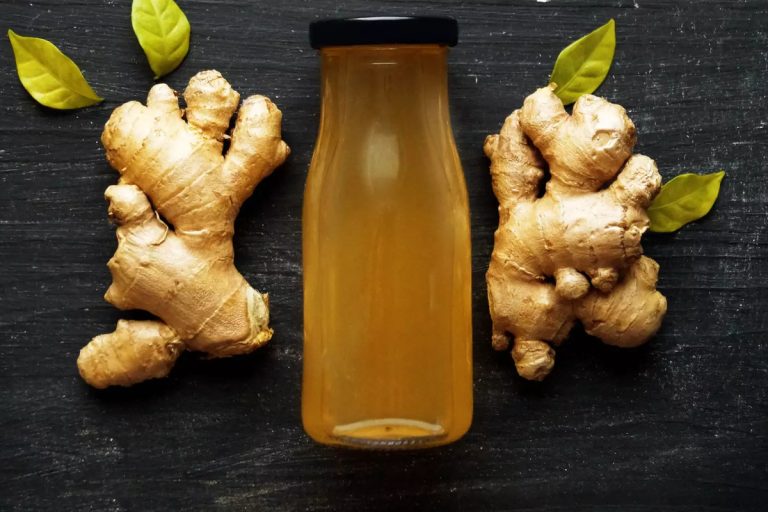
It sounds like the ultimate wellness hack: a sharp shot of ginger juice first thing in the morning to fire up the body and sharpen the mind. Athletes swear by it, wellness gurus recommend it, and many of us are tempted to give it a go. But is this spicy ritual really the magic bullet it seems, or are there hidden effects worth knowing about?

Read more

Rainwater is now unsafe to drink, scientists warn

Rainwater is now unsafe to drink

Once seen as the purest source of refreshment, rainwater is now off the menu. Scientists warn that even in the most remote places on Earth, a sip from the sky could expose us to dangerous levels of chemical pollution. The main culprits are the so-called forever chemicals, a family of substances that refuse to disappear and are quietly circulating across the globe.

Read more