
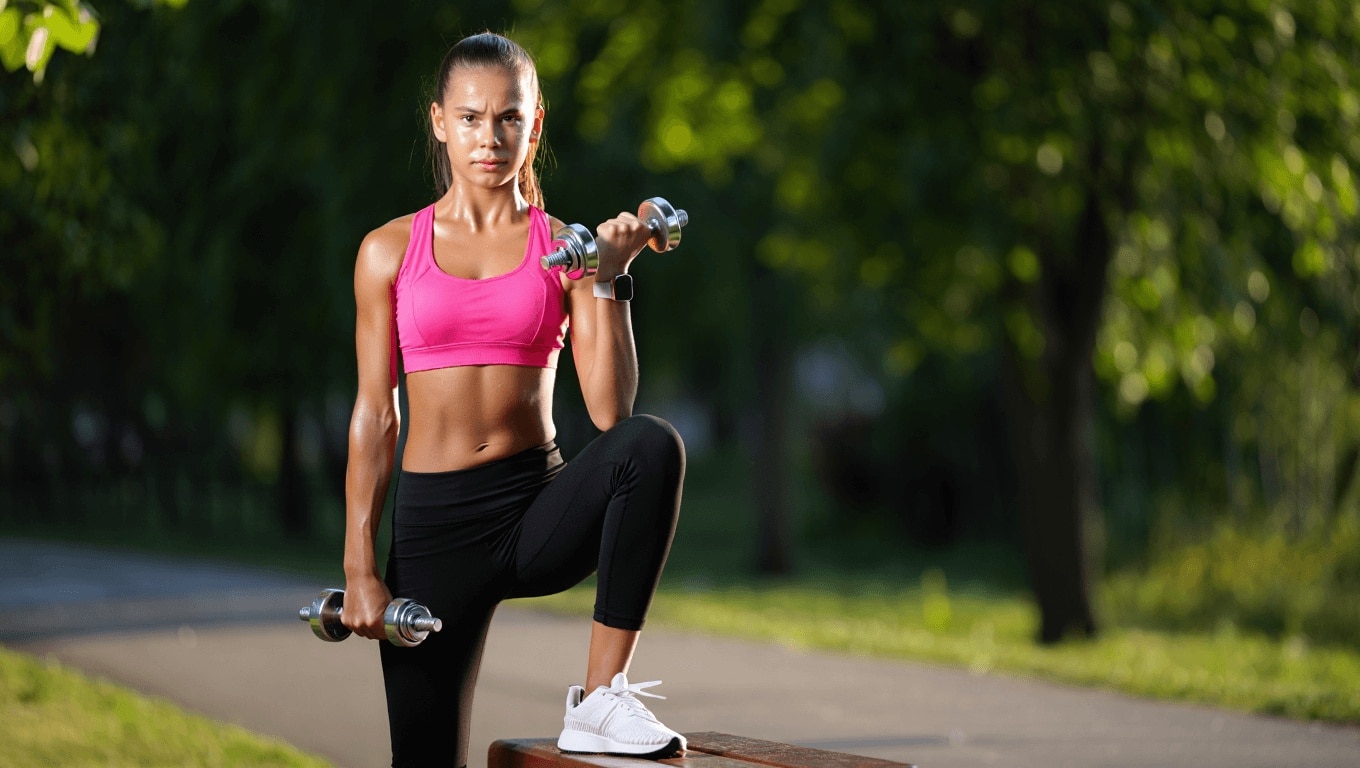
Walking is often praised as the simplest way to boost health. New thinking now shows those gains grow when walking is paired with strength work and varied activities. Combining low-impact cardio with resistance training can improve fitness, preserve muscle, and support long-term mobility.
How combining walking with strength training improves results
Walking raises heart rate and supports aerobic fitness. Strength training builds muscle and bone. When done together, they create complementary effects.
- Better calorie burn: Strength work increases resting metabolism. That helps sustain weight loss beyond the walk.
- Improved muscle mass: Resistance exercises slow age-related muscle loss and make daily tasks easier.
- Greater cardiovascular benefit: Alternating steady walking with brief strength sessions can challenge the heart in varied ways.
- Enhanced balance and mobility: Targeted strength moves reduce fall risk and improve gait.
Physical and mental health gains from mixed workouts
Combining modes of exercise supports more than fitness. It touches metabolic health, mood, and long-term independence.
- Better blood sugar control after meals when resistance work is included.
- Lower blood pressure and improved cholesterol with regular aerobic and strength training.
- Stronger bones from weight-bearing and resistance exercises.
- Reduced stress and anxiety; variety helps adherence and mental engagement.
Simple ways to pair walking and strength training
You don’t need a gym to combine walking with resistance work. Small changes make a big difference.
Short sessions you can do anywhere
- Walk 20–30 minutes, then follow with 10–15 minutes of bodyweight squats, push-ups, and lunges.
- During a longer walk, stop every 10–15 minutes for 30–60 seconds of calf raises or chair stands.
- Use resistance bands on a park bench for rows and banded squats.
Sample weekly plan for busy people
- Monday: 30-minute brisk walk + 15 minutes core and lower body strength.
- Wednesday: Interval walk (1 min fast/2 min easy) + 10 minutes upper-body resistance.
- Friday: Longer 45-minute walk + mobility and balance drills.
- Saturday or Sunday: Active recovery, easy walk, light stretching.
Adjusting workouts for age and ability
Fitness goals and starting points vary. Tailor intensity, duration, and complexity to your needs.
- Beginners: Start with 10–15 minutes of walking and a few bodyweight moves twice a week.
- Older adults: Focus on balance, hip strength, and slower progression.
- Those with chronic conditions: Seek medical advice and choose low-impact resistance options.
How to track progress and stay consistent
Simple metrics reveal improvement and keep motivation high.
- Track step count, walking pace, and the number of strength reps weekly.
- Record how you feel after sessions—energy, sleep, mood.
- Set short-term goals, like adding five minutes to walks or two extra reps per set.
- Find a walking partner or class to increase accountability.
Common pitfalls and how to avoid them
People often make predictable mistakes when combining activities. Awareness prevents setbacks.
- Avoid jumping into high volume too quickly. Progress by 10% per week.
- Neglecting recovery leads to fatigue. Schedule rest days and prioritize sleep.
- Poor technique on strength moves can cause injury. Focus on form before adding load.
- Relying on one mode of exercise limits gains. Keep variety in the routine.
Equipment and apps that help
You can stay effective with minimal gear. A few items amplify progress.
- Resistance bands and a set of dumbbells for progressive overload.
- A sturdy pair of walking shoes to protect joints.
- Fitness trackers or apps to monitor steps and heart rate.
- Video-guided workouts to learn safe strength techniques.
When to seek professional guidance
Expert input helps when goals or health status are complex.
- Consider a trainer for personalized strength programming.
- Physical therapists help tailor plans after injury or surgery.
- Consult your doctor if you have heart, lung, or metabolic conditions.
Similar Posts:
- Strength training cuts women’s heart disease risk: only 2 hours a week
- Strength training may add years to your life: only 2 hours a week needed
- Fitness after 40: add years to your life and boost your health
- How to target abdominal fat : the optimal exercise duration to slim your belly
- Rita Ora: ditch 10k steps and use tiny habits that transformed her fitness routine

Cole is a passionate vegan dessert artist with a knack for turning indulgent classics into plant-based masterpieces. His sweet creations are where flavor meets conscious living.