
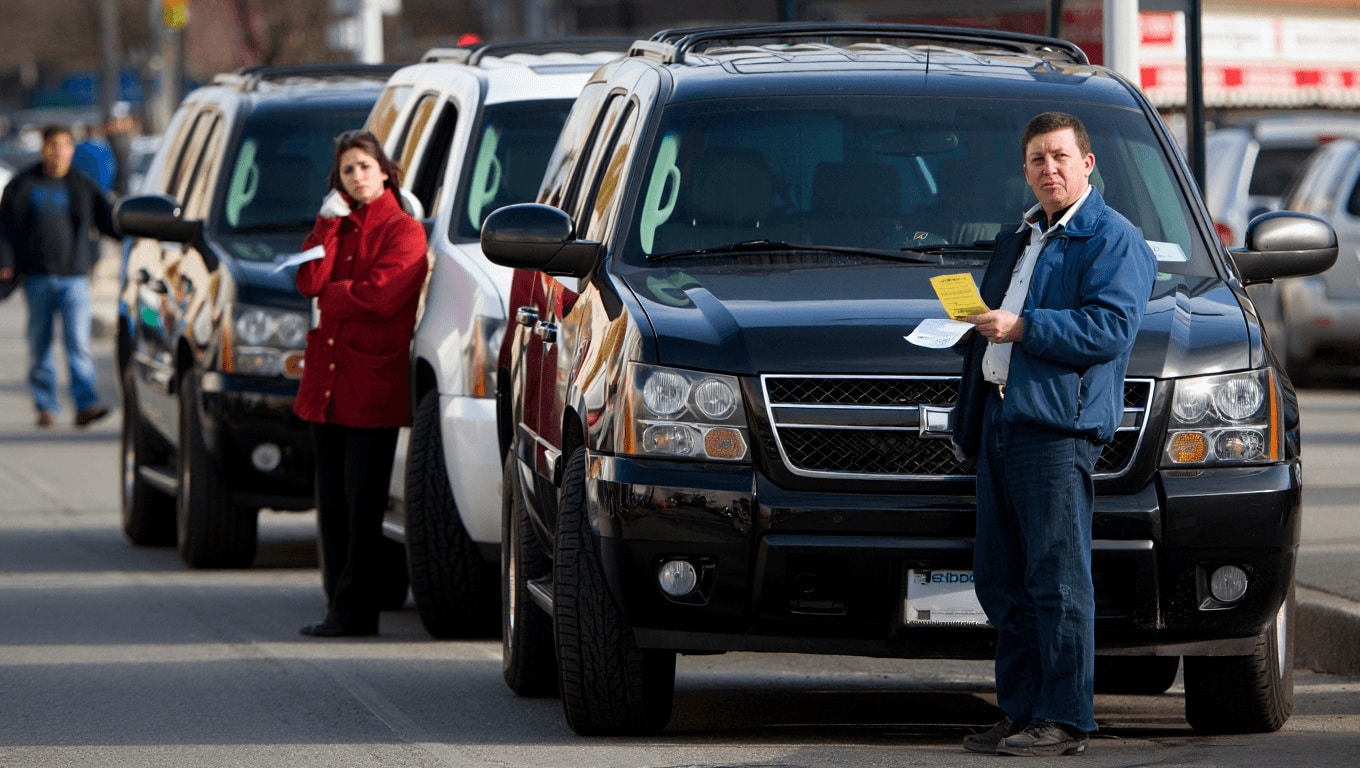
Calls are growing across the UK to clamp down on big cars. A recent poll shows many Britons want tougher rules and higher costs for SUVs and heavy vehicles. Debates now range from extra parking charges to outright limits in crowded areas.
What the public survey revealed about SUVs and safety
The survey found wide public concern about the impact of larger vehicles in urban spaces. Respondents linked SUVs to increased danger for pedestrians and higher road wear.
- About one third of adults said SUVs are more hazardous to pedestrians than smaller cars.
- One in five supported banning SUVs from busy zones like city centres and school streets.
- Thirty-two per cent backed raising Vehicle Excise Duty for heavier models, citing road damage and pollution.
How councils and cities are responding
Some local authorities have started to act without waiting for national laws. Measures vary by council and by country.
Examples from home and abroad
- Cardiff Council has approved higher residential permit fees for vehicles over 2.4 tonnes.
- Paris has imposed triple parking charges on heavier cars to discourage their use.
Officials say these steps aim to ease congestion and nudge people towards walking, cycling or public transport.
Research linking bigger vehicles to worse outcomes
Academic studies underline the safety concerns raised by the public. Researchers point to the geometry and mass of SUVs as factors that worsen crash outcomes.
- Analysis shows the odds of fatal injury rise by about 44 per cent for adults struck by an SUV.
- For children and cyclists, the increased risk can be as high as 82 per cent.
SUV bonnets often sit well above a metre, which can make small children hard to see from the driver’s seat.
Voices from campaigners and industry figures
Campaign groups and industry contacts are urging both design changes and policy action. Their proposals mix regulation, engineering and education.
One road-safety advocate argued cities should reduce the presence of very large vehicles to protect vulnerable road users. Another expert suggested that manufacturer-led safety upgrades may be the most effective long-term fix.
Design improvements and safety technologies under consideration
Rather than just taxes or bans, several technical fixes are on the table. These aim to lower injury severity in collisions.
- Softer external structures, such as bumpers and hoods made from impact-absorbing materials.
- Pedestrian automatic emergency braking systems tuned for taller vehicles.
- External airbags or other front-mounted passive protections to reduce blunt-force trauma.
- Stronger driver education and awareness campaigns focused on blind spots and urban driving.
Policy options being debated by local leaders
City halls are weighing a mix of sticks and carrots to curb SUV growth in dense areas.
- Higher Vehicle Excise Duty tiers aimed at larger, heavier models.
- Increased parking fees or permit surcharges for heavy cars in residential zones.
- Time- or place-based restrictions that limit access during busy hours.
- Incentives for smaller, cleaner vehicles and improved public transport links.
How consumer trends are shaping the debate
Despite safety worries, larger cars remain popular. Global sales data shows the trend has been steep and sustained.
In 2023, bigger cars accounted for 48 per cent of new car sales worldwide. That compares with roughly 15 per cent in 2010. The shift reflects consumer tastes as much as automakers’ offerings.
Practical trade-offs and the path ahead
Policymakers face a balancing act. Measures that discourage large vehicles may reduce harm in towns. They could also meet resistance from buyers and businesses that rely on bigger models.
Experts increasingly argue that a combined approach will be needed. Regulation, smarter design and public education are all part of the conversation.
Similar Posts:
- Cardiff hikes parking fees for SUVs and large vehicles: drivers hit by Land Rover tax
- Drivers favor larger, more practical vehicles despite major safety risks
- Car tax shake-up in Autumn Budget: Rachel Reeves urged to adopt changes hitting popular vehicles
- New Driving Laws May Spike Parking Fees: Owners of Popular Vehicles Beware!
- Parking charges for SUVs and large cars to be voted on in UK city: it’s only fair

Naomi is a clean beauty expert passionate about science-driven skincare and natural remedies. She demystifies ingredients and shares routines that empower readers to glow — naturally.