
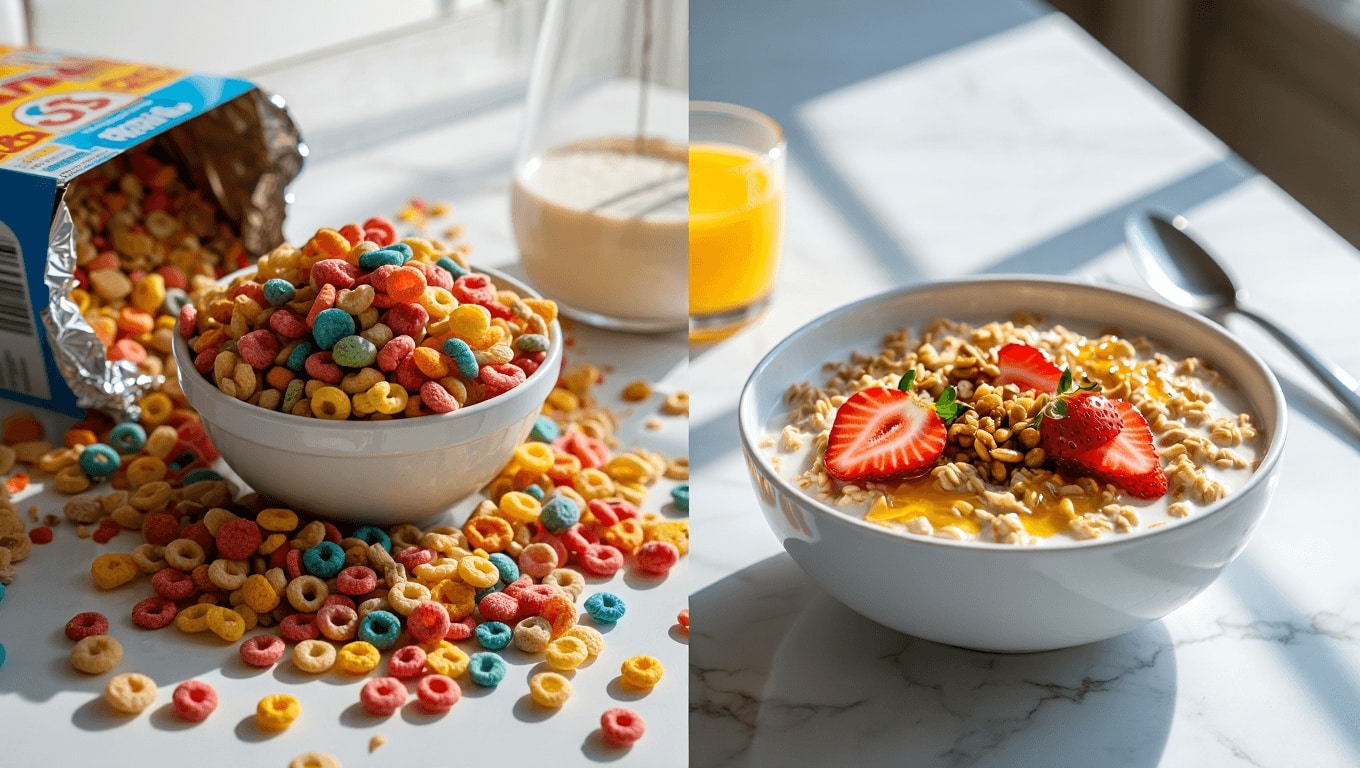
New research and nutrition experts are drawing attention to a simple change you can make at breakfast that may lower levels of “bad” LDL cholesterol and support short-term weight loss. Swapping processed cereals for a daily bowl of oats could deliver measurable heart-health benefits and improve fullness, according to recent studies and clinical guidance.
Evidence linking an oatmeal-focused routine to lower LDL
Multiple nutrition trials show that diets high in soluble fiber can reduce low-density lipoprotein (LDL) cholesterol. Oats are a leading source of this fiber, known as beta-glucan. When people eat oats regularly for several weeks, many experience a decline in LDL.
Researchers attribute this to the viscous fiber that helps remove cholesterol from the bloodstream. The effect is most notable when oats replace refined carbohydrates or high-sugar breakfasts.
How oats affect cholesterol and body weight
Oats work through a few complementary mechanisms:
- Beta-glucan binds bile acids. This prompts the liver to use circulating cholesterol to make more bile, lowering LDL levels.
- Oats slow digestion. The result is steadier blood sugar and reduced hunger between meals.
- Replacing high-calorie breakfasts with whole oats often cuts daily calorie intake.
These processes can combine to produce small to moderate weight loss in the short term. The loss is typically due to reduced calorie intake and improved satiety rather than drastic metabolic shifts.
Practical short-term oatmeal plans that support results
If you want to try a short-term oatmeal plan, aim for consistency and smart additions. Here are sample ideas that fit different tastes:
- Basic bowl: 40–60 g of rolled oats cooked with water or low-fat milk. Top with a handful of berries and a sprinkle of cinnamon.
- Protein boost: Add a scoop of plain Greek yogurt or a tablespoon of nut butter after cooking.
- Overnight option: Combine oats, milk, chia seeds, and fruit the night before for a quick, portable breakfast.
Keep portions reasonable and avoid large amounts of added sugar. Sweet toppings can erase health gains if they push calorie and sugar counts high.
Choosing the best type of oats for health impact
Not all oats are equal. The way you prepare them affects fiber availability and blood-sugar response.
- Steel-cut oats offer a chewier texture and a lower glycemic response than instant oats.
- Rolled oats balance convenience and nutrition for most people.
- Avoid preflavored packets with added sugars and artificial ingredients.
Look for minimal processing and simple ingredient lists. That preserves the beta-glucan and avoids unwanted calories.
Tips to maximize cholesterol and weight benefits
Small adjustments make a big difference when adopting an oatmeal-focused approach:
- Pair oats with protein to extend satiety and limit snacking.
- Include fruits or seeds for vitamins and healthy fats.
- Swap refined bread or pastries for an oat-based breakfast most days.
- Monitor portion size—overeating even healthy foods can stall weight loss.
Who should be cautious and when to talk with a clinician
An oatmeal plan is safe for many, but not everyone should jump in without advice.
- People on cholesterol-lowering medication should consult their doctor.
- Those with digestive sensitivity should increase fiber gradually to avoid gas or bloating.
- Individuals with celiac disease must choose certified gluten-free oats.
Medical context matters. Dietary changes can interact with treatments and preexisting conditions.
How long to try the plan and what to expect
Short-term studies often run for a few weeks to a few months. Expect modest LDL reductions and gradual weight changes.
Track outcomes with periodic lipid tests and simple weight checks. Small, consistent improvements in diet can translate into measurable health gains.
Similar Posts:
- Portfolio diet may lower cholesterol, cut heart disease risk
- Diabetes prevention: plant-based or low-carb, which is better?
- A 1200-Calorie Meal Plan Example You Can Try Today
- Alternate-day fasting: rapid 4-week weight loss but unexpected muscle loss
- Whole grains lower heart disease risk: are you eating enough?

Cole is a passionate vegan dessert artist with a knack for turning indulgent classics into plant-based masterpieces. His sweet creations are where flavor meets conscious living.