
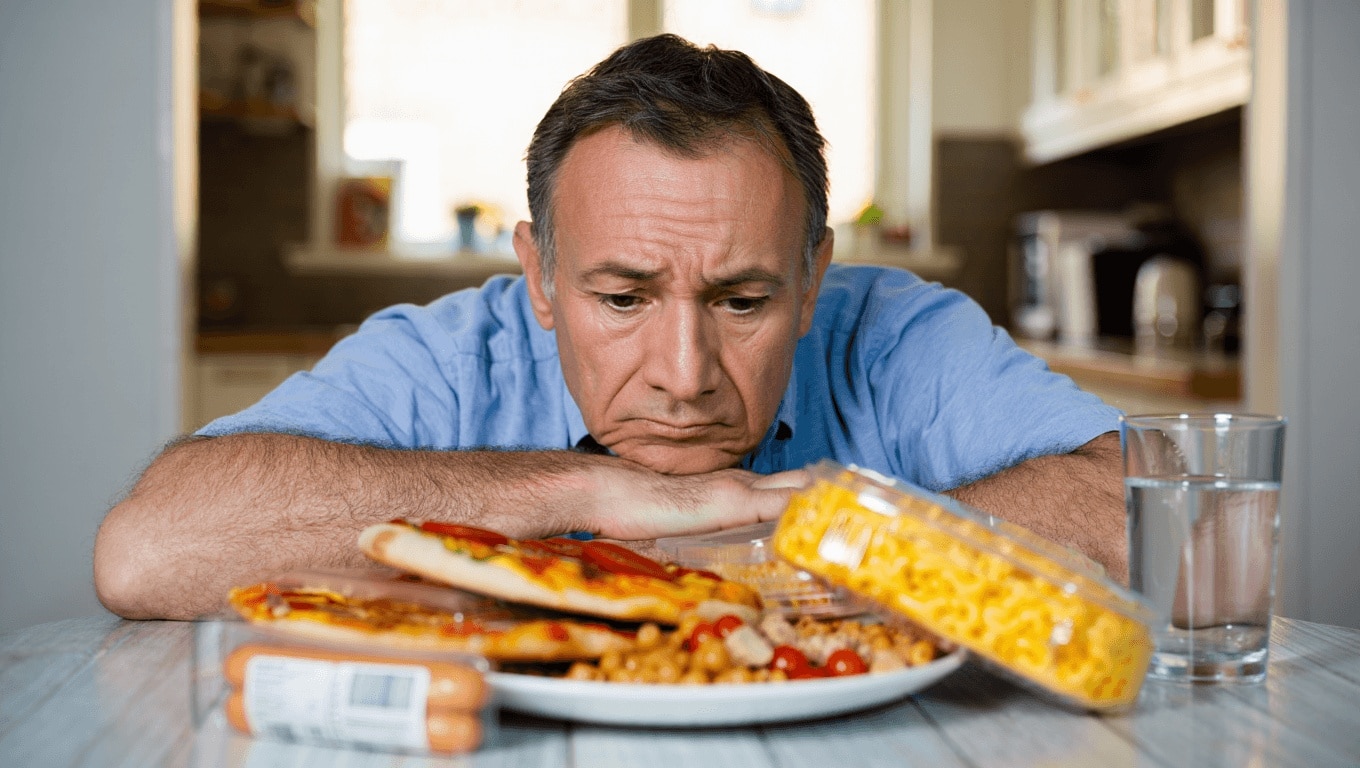
New research suggests that the foods many people rely on for convenience could carry hidden risks for cancer survivors. Diets high in ultra-processed foods appear linked to a greater chance of dying from any cause among those who have had cancer. Experts say the findings raise fresh questions about long-term care after cancer and the role of everyday food choices in survival.
Key findings: processed diets tied to higher mortality after cancer
Researchers examined large groups of people who had a prior cancer diagnosis. They tracked diet patterns and health outcomes over several years. The study found a measurable association between higher intake of ultra-processed foods and increased overall mortality in cancer survivors.
- The risk rose as the share of calories from ultra-processed foods increased.
- The pattern held for several cancer types and across age groups.
- Results remained after adjusting for smoking, exercise, and other lifestyle factors.
What counts as ultra-processed food?
Ultra-processed foods are industrial formulations made mostly from substances extracted from foods. These products often include additives used for flavor, color, or shelf life. Examples include:
- Packaged snacks and ready-to-eat meals
- Sugary breakfast cereals and instant noodles
- Processed meats and many fast-food items
- Sodas, sweetened drinks, and flavored dairy drinks
These items tend to be energy-dense, nutrient-poor, and high in salt, sugar, and artificial ingredients.
Possible reasons ultra-processed foods affect survival
Scientists propose several biological and behavioral explanations.
- Inflammation: Ultra-processed diets may promote chronic inflammation, which can worsen cancer outcomes.
- Weight and metabolism: High-calorie, nutrient-poor foods contribute to obesity and metabolic dysfunction.
- Immune function: Poor diet quality can impair the immune system’s ability to control residual cancer cells.
- Replacement effect: Eating many processed items may displace whole foods with protective nutrients.
What the study did and did not prove
The research is observational. It identifies associations, not definitive cause and effect. Still, the findings are consistent with other studies linking diet quality to health outcomes.
- Strengths: large sample sizes, long follow-up periods, and adjustments for many confounders.
- Limitations: dietary data often rely on self-report and food-frequency questionnaires.
- Unmeasured factors and differences in access to care could influence results.
Researchers recommend cautious interpretation and further trials to test whether reduced intake of ultra-processed foods improves survival.
Practical guidance for cancer survivors
Survivors can take concrete steps to lower reliance on ultra-processed foods. Small changes can add up.
- Choose whole grains, legumes, fruits, and vegetables more often.
- Cook simple meals at home to limit additives and hidden sugars.
- Swap sugary drinks for water, herbal tea, or sparkling water with fruit.
- Read labels and limit items with long, unrecognizable ingredient lists.
Nutrition priorities to discuss with clinicians
Talk with your oncology or primary care team about diet in survivorship care. Consider:
- Referral to a registered dietitian for personalized plans.
- Monitoring weight, blood sugar, and other metabolic markers.
- Strategies for affordable, healthy eating if budget limits choices.
Public health implications and next research steps
If the link between ultra-processed foods and higher mortality holds, it could influence dietary guidance for millions of cancer survivors. Future research should:
- Test whether reducing ultra-processed food intake improves outcomes.
- Investigate biological mechanisms behind the association.
- Explore interventions that are practical for diverse populations.
How to make changes without feeling overwhelmed
Replace ultra-processed options gradually. Focus on adding rather than only removing foods.
- Start with one meal a day made from whole ingredients.
- Batch-cook staple dishes to save time on busy days.
- Use frozen vegetables and canned beans as convenient, healthy options.
Similar Posts:
- Boost Your Survival: How an Anti-Inflammatory Diet Can Combat Colorectal Cancer
- Ultra-processed foods may raise risk of early-onset colorectal cancer in women
- Ultra-processed foods linked to diabetes risk: 3 diet facts you need to know
- Ultra-processed foods linked to men’s reproductive and metabolic decline
- Ultra-processed foods could damage your bones: here’s why

Cole is a passionate vegan dessert artist with a knack for turning indulgent classics into plant-based masterpieces. His sweet creations are where flavor meets conscious living.