
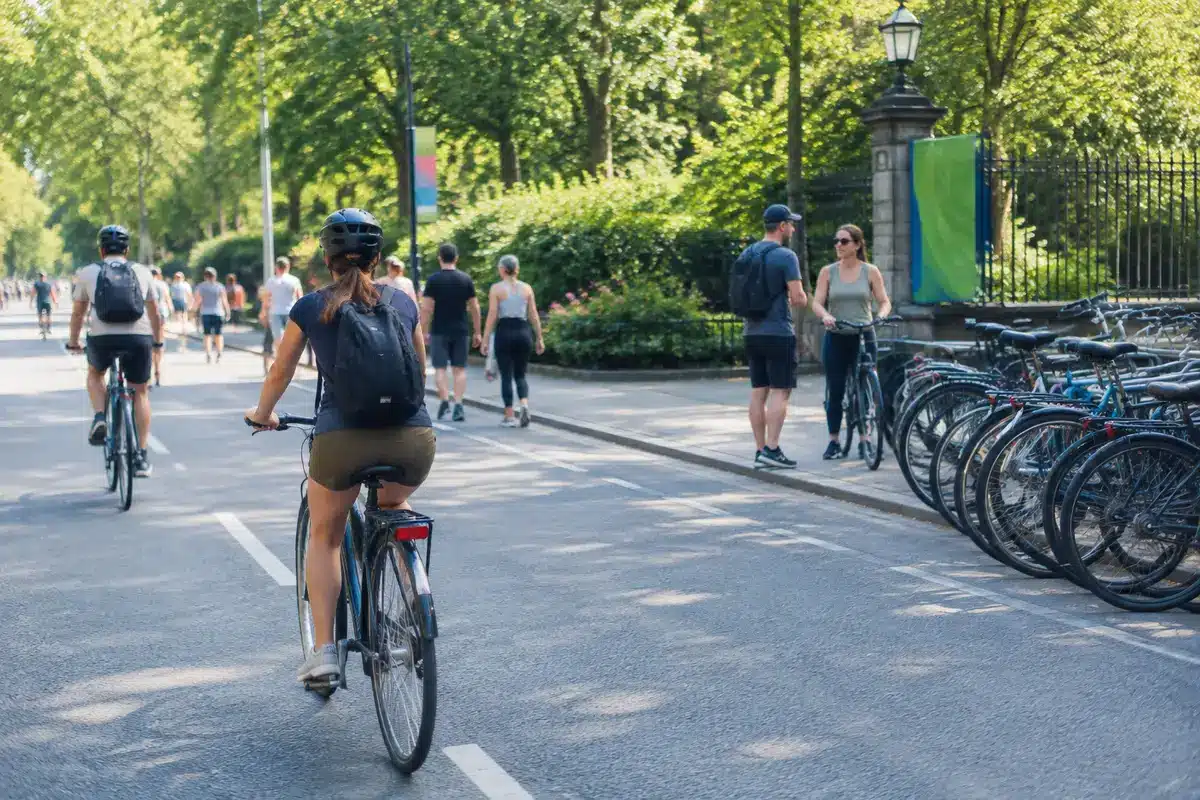
On World Car Free Day, cities from London to Murcia rolled out events and incentives designed to nudge people out of their cars and onto bikes, feet and public transport. The push combines short-term perks with long-term investment pledges aimed at making walking and cycling safer and more practical.
Major cities launch special offers to celebrate car-free streets
Across the globe, local councils and transport operators staged activities to highlight life without motor traffic.
- Community events closed streets to cars so residents could walk and cycle safely.
- Some regions introduced temporary discounts or free travel for the day.
- Businesses and local groups joined forces to promote greener journeys.
Transport for London slashes the Santander Cycles monthly pass
To mark the day, Transport for London announced a cut to the cost of Santander Cycles memberships.
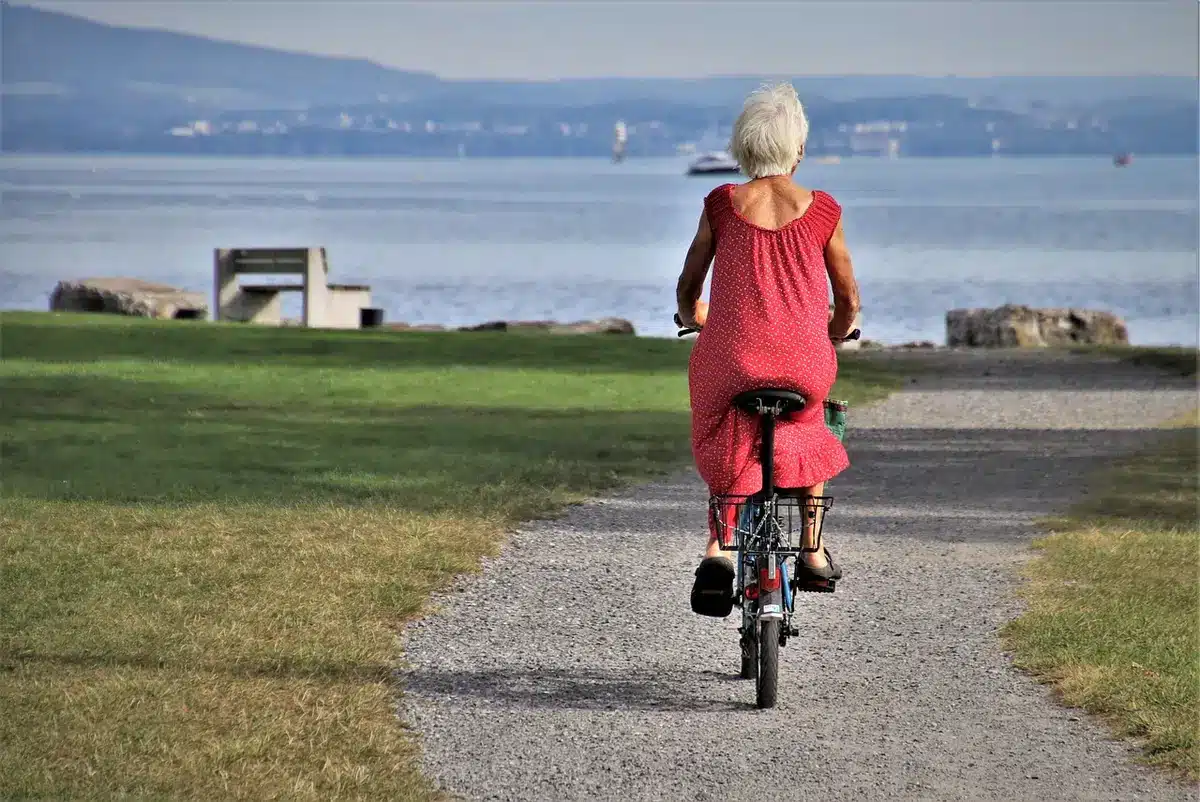
The monthly pass is being offered at half price, an attempt to lower the barrier for Londoners to try regular cycling.
City leaders encouraged residents to seize the deal and consider swapping short car trips for bike rides.
Government pledges over £100m to boost active travel nationwide
The national government unveiled fresh funding to expand walking and cycling networks.
How the money will be used
- £104 million ring-fenced for the Walk Wheel Cycle Trust over multiple years.
- Investment will support the creation and upkeep of cycle routes and footpaths.
- Funds will cover repairs to bridges, tunnels and converted rail corridors used by walkers and cyclists.
- Local pilot schemes, including wayfinding trials, will test improvements before wider roll-out.
Local projects and private operators join the effort
Initiatives ranged from free parking for bikes to discounted short-term e-scooter and e-bike passes.
- One e-bike provider offered a reduced-price three-day pass for riders.
- A cycle-parking firm opened its on-demand hangars free of charge for several days.
- In Spain’s Murcia region, public transport was free all day to encourage car-free trips.
- Scottish cities secured millions for schemes to make active travel easier and safer.
Policy goals and targets shaping active travel plans
Officials set ambitious targets for school journeys and urban connectivity.
- Ministers want a big rise in the share of children walking or cycling to school by the mid-2030s.
- Mayors and local leaders are signing up to build thousands of miles of new footways and cycle lanes.
- Consistency across regions is a priority, with plans for a clearer national Active Travel Network.
Voices from government and city halls
Transport and city officials used the day to underline the link between investment and behaviour change.
- Senior transport figures stressed that cheaper, safer options make it easier to ditch short car trips.
- Mayoral offices promoted cycling as part of a wider drive for cleaner, healthier cities.
- Local leaders highlighted partnerships with businesses to sustain greener travel choices.
Examples from around the UK and beyond
Cities used a mix of one-day incentives and longer-term funding bids to spark modal shift.
- London: half-price bike memberships and promotional events to boost uptake.
- Glasgow: business-led schemes and multi-million-pound investments for walking and cycling.
- Murcia, Spain: full public transport discounts for the day to promote alternatives.
- Various operators: short-term offers on e-bikes and free access to bike storage.
What to expect next for active travel schemes
Officials aim to turn one-off interest into sustained change by improving infrastructure and access.
- Expanded maintenance budgets to keep routes safe and usable.
- More pilot projects testing consistent signage and route mapping.
- Plans to scale successful local schemes across regions.
Similar Posts:
- Cycle lane scrapped to favour drivers: residents slam road-first proposals
- Highway Code rule changes leave millions unaware: Sadiq Khan launches urgent campaign
- Traffic lights to turn green for cyclists: road rule changes slammed as farcical
- Low traffic neighbourhoods fail to reduce car use: TfL accused of serious omission
- 20mph speed limits roll out this summer: motorists warned to prepare

Naomi is a clean beauty expert passionate about science-driven skincare and natural remedies. She demystifies ingredients and shares routines that empower readers to glow — naturally.