

The FDA has granted approval to Rasonque, a new therapy for metastatic pancreatic cancer, marking a notable change in treatment options for a disease long resistant to progress. Clinicians and patients alike are watching closely as Rasonque moves from clinical trials into routine care. The drug promises a measurable survival gain and a fresh route for patients who have few effective options.
What Rasonque does: a new mechanism in pancreatic cancer care
Rasonque is an orally administered targeted agent designed to interfere with pathways that support tumor growth. Its makers describe it as a precision therapy that homes in on molecular features common in advanced pancreatic tumors.
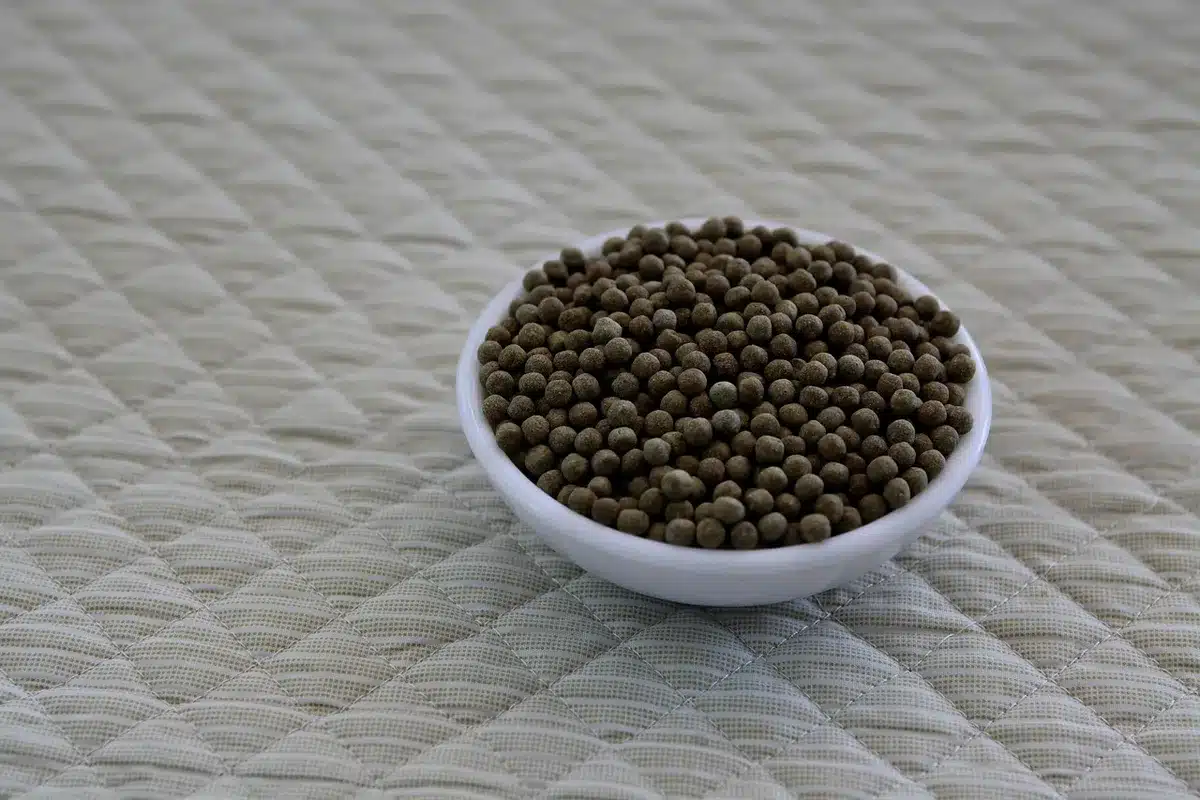
The approval applies to adults with metastatic pancreatic cancer who meet specific molecular or prior-treatment criteria defined in the label. Regulators reviewed evidence showing that Rasonque can slow disease progression and extend survival in a hard-to-treat population.
Key trial evidence that led to FDA clearance
Study design and patient population
The pivotal trial was a randomized, controlled study comparing Rasonque plus standard-of-care chemotherapy to chemotherapy alone. Participants were adults with confirmed metastatic pancreatic adenocarcinoma who had not responded adequately to first-line therapy.
- Multi-center, international enrollment
- Primary endpoint: overall survival
- Secondary endpoints: progression-free survival and response rate
Primary outcomes and clinical impact
Investigators reported a statistically significant survival advantage for patients receiving Rasonque. The drug also produced higher tumor response rates and delayed progression in many cases. Regulators cited these outcomes as the basis for approval.

Safety profile and common adverse effects
Like all cancer therapies, Rasonque carries risks. In clinical trials, adverse events ranged from mild to severe. Most were manageable with dose adjustments or supportive care.
- Common side effects included fatigue, nausea, and low blood counts.
- Some participants experienced gastrointestinal symptoms such as diarrhea.
- Serious but less frequent events related to immune or hematologic systems were reported.
Health teams will need to monitor bloodwork and symptoms closely during treatment. Patients should discuss potential toxicities and management strategies with their oncologist.
Who can receive Rasonque and how it’s prescribed
The FDA label specifies patient selection criteria tied to disease stage and prior therapy. Oncologists will evaluate eligibility based on clinical status and previous treatments. The drug is given orally on a defined schedule, often combined with other agents according to trial protocols.
- Eligible adults with metastatic pancreatic cancer
- Prescribing physicians should follow monitoring recommendations in the label
- Dose adjustments are possible for toxicity
Patient access, insurance, and cost considerations
Availability will roll out through commercial distribution channels and major cancer centers. Manufacturers often establish patient-assistance programs to help with copays and prior authorization hurdles.
- Insurers may require prior authorization
- Financial assistance programs may be available
- Early access through institutional formularies will expand over weeks
Patients should contact their care team or the manufacturer for guidance on coverage and support.
Reactions from the oncology community and next research steps
Experts welcome any advance in metastatic pancreatic cancer but urge careful use. Clinicians praised the survival gains while noting the need for long-term follow-up.
Ongoing studies will test Rasonque in earlier disease settings and in combination with other targeted or immune therapies. Researchers will also investigate biomarkers to predict which patients benefit most.
What patients should know right now
- Discuss eligibility with your oncologist if you have metastatic pancreatic cancer.
- Ask about monitoring plans, potential side effects, and supportive care options.
- Inquire early about insurance coverage and financial-assistance programs.
Timely conversations with your medical team can clarify whether Rasonque is an appropriate option.
Similar Posts:
- Pancreatic cancer drug nearly doubles survival: breakthrough offers new hope
- Prostate cancer breakthrough: drug combo cuts death risk 40%
- Mounjaro, Zepbound cut death risk in people with serious heart conditions
- FDA okays Lipfendra: breakthrough pill to lower cholesterol
- GLP-1 drugs may boost breast cancer survival: cut recurrence risk

Cole is a passionate vegan dessert artist with a knack for turning indulgent classics into plant-based masterpieces. His sweet creations are where flavor meets conscious living.