

Feeling wiped out more often than you used to? Tiredness and sluggish skin can come from more than stress or age. What you eat and drink plays a huge role in daily energy and how youthful you feel. Nutrition specialist Lucy Kershaw points to several everyday choices that quietly drain vitality — and she offers simple swaps to restore energy and help you look and feel fresher.
Everyday foods that quietly sap your energy
Many popular meals give a short burst of satisfaction, then leave you heavy or foggy. These foods can reduce stamina and affect mood throughout the day.
Fried and greasy takeaways
Deep-fried meats, battered items and fast-food meals are high in fat. Fat digests slower than carbs or protein, which can make you feel weighed down.
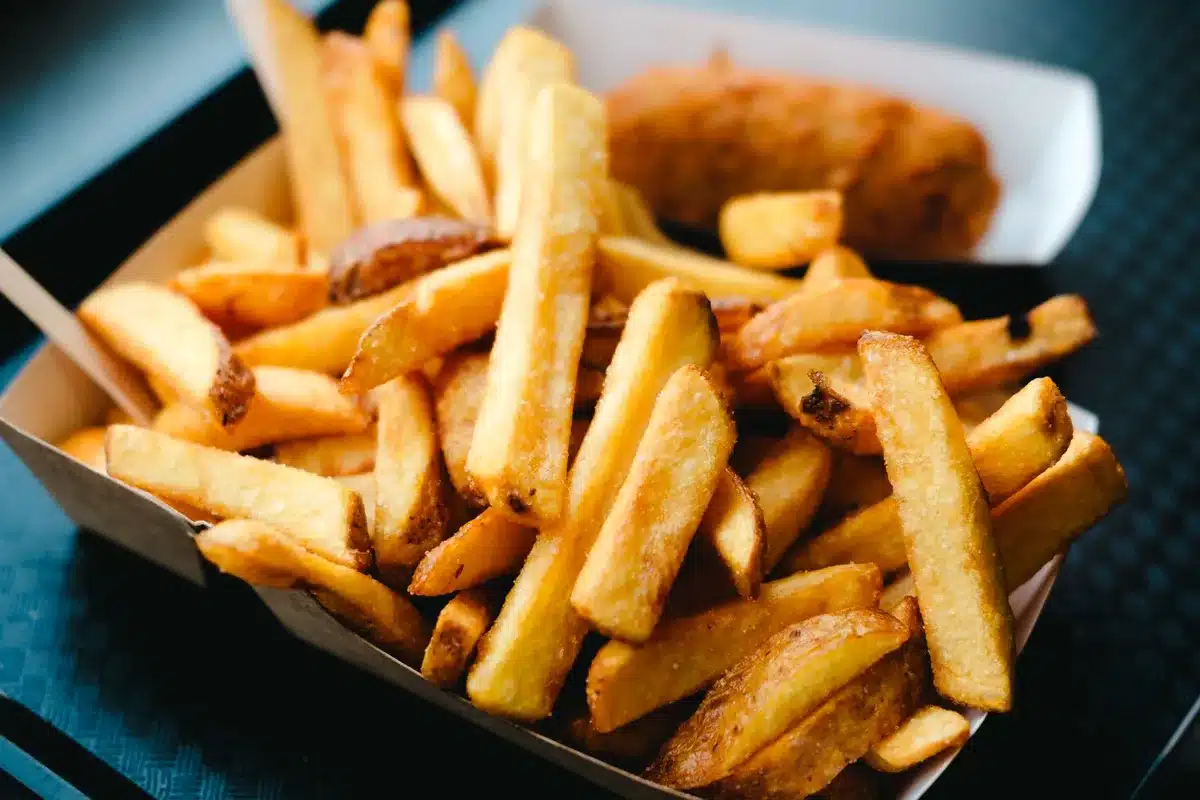
- Why it matters: Slower digestion can reduce alertness and energy after a big meal.
- Better choices: Grill, bake or roast protein. Choose roasted potatoes instead of deep-fried chips.
- Balance tip: Add a portion of vegetables to boost vitamins and fibre.
Ultra-processed snacks that replace nutrients
Store-bought crisps, sweets, pastries and many packaged snacks deliver empty calories. They fill you up without essential vitamins, minerals or sustained energy.
- Why it matters: Relying on processed snacks reduces intake of nutrient-dense foods.
- Swap ideas: Keep nuts, yoghurt, fruit, boiled eggs or hummus as quick alternatives.
Refined carbs: white pasta and white bread
Large servings of refined carbohydrates can spike blood sugar, then trigger a slump. Without protein or fibre, energy drops faster.
- Smart swaps: Opt for wholewheat pasta, brown rice or wholegrain bread.
- Meal pairing: Combine carbs with protein, legumes or vegetables for steadier energy.
Drinks that undermine sleep and daytime energy
Hydration and stimulants shape how rested you feel. Small changes to fluid choices can improve concentration and vitality.

Not drinking enough water
Dehydration is an underrated cause of fatigue. Older adults may feel thirst less keenly, which raises the risk of under-hydration.
- Why it matters: Even mild fluid loss harms cognitive function and energy.
- Practical tips: Keep a visible water bottle. Drink with meals and sip throughout the day.
- Remember: Milk, tea and coffee also add to daily fluid intake.
Too much coffee, at the wrong time
Caffeine boosts alertness short-term but can disrupt sleep if consumed late. That restless sleep can create a cycle of daytime fatigue.
- Timing matters: Have caffeinated drinks earlier in the day.
- Alternative drinks: Try decaf or herbal tea in the afternoon and evening.
Alcohol’s hidden impact on sleep quality
An evening drink may make you drowsy, but alcohol often fragments sleep later in the night. That reduces the restorative value of sleep.
- Why it matters: Poor sleep quality leads to tired mornings and reliance on stimulants.
- Simple changes: Alternate alcoholic drinks with non-alcoholic options.
- Weekly habit: Schedule alcohol-free nights to reset sleep patterns.
Other common energy traps and quick fixes
Beyond specific foods and drinks, everyday patterns can affect how young you feel.
- Sugary drinks and sweets: Cause rapid energy spikes and falls. Prefer whole fruit or water with a splash of juice.
- Large portion sizes: Overeating leads to sluggishness. Aim for balanced plates with protein and veg.
- Skipping regular fluids: Set reminders to drink if you forget during busy days.
How to rebuild steady energy with simple swaps
You do not need a radical diet overhaul. Small, consistent replacements can improve energy, skin and focus.
- Replace fried items with grilled or baked options.
- Choose wholegrains over refined white products.
- Keep nutrient-dense snacks on hand: nuts, yoghurt, fruit and boiled eggs.
- Limit caffeine after mid-afternoon and test decaf alternatives.
- Drink water regularly, not just when thirsty.
- Cut back on evening alcohol and monitor sleep quality.
Expert perspective and practical habits to try today
Lucy Kershaw, a nutrition professional, highlights that many habits are easy to fix. The goal is better nutrition, steady energy and improved sleep.
- Start small: Swap one processed snack per day for a nutrient-dense option.
- Plan meals: Include a protein source and vegetables at lunch to avoid afternoon slumps.
- Hydration routine: Drink a glass of water with every meal and carry a refillable bottle.
Similar Posts:
- These common foods strongly promote belly fat, warn nutritionists
- New study reveals the most effective way to lose weight and reduce fat storage
- Avoid 10pm hunger: dietitian tip to turn soup into a filling meal
- Ultra-processed foods raise heart disease risk: simple swaps could cut it
- Abdominal fat: an expert shares 8 ways to lose it steadily and effectively

Naomi is a clean beauty expert passionate about science-driven skincare and natural remedies. She demystifies ingredients and shares routines that empower readers to glow — naturally.