
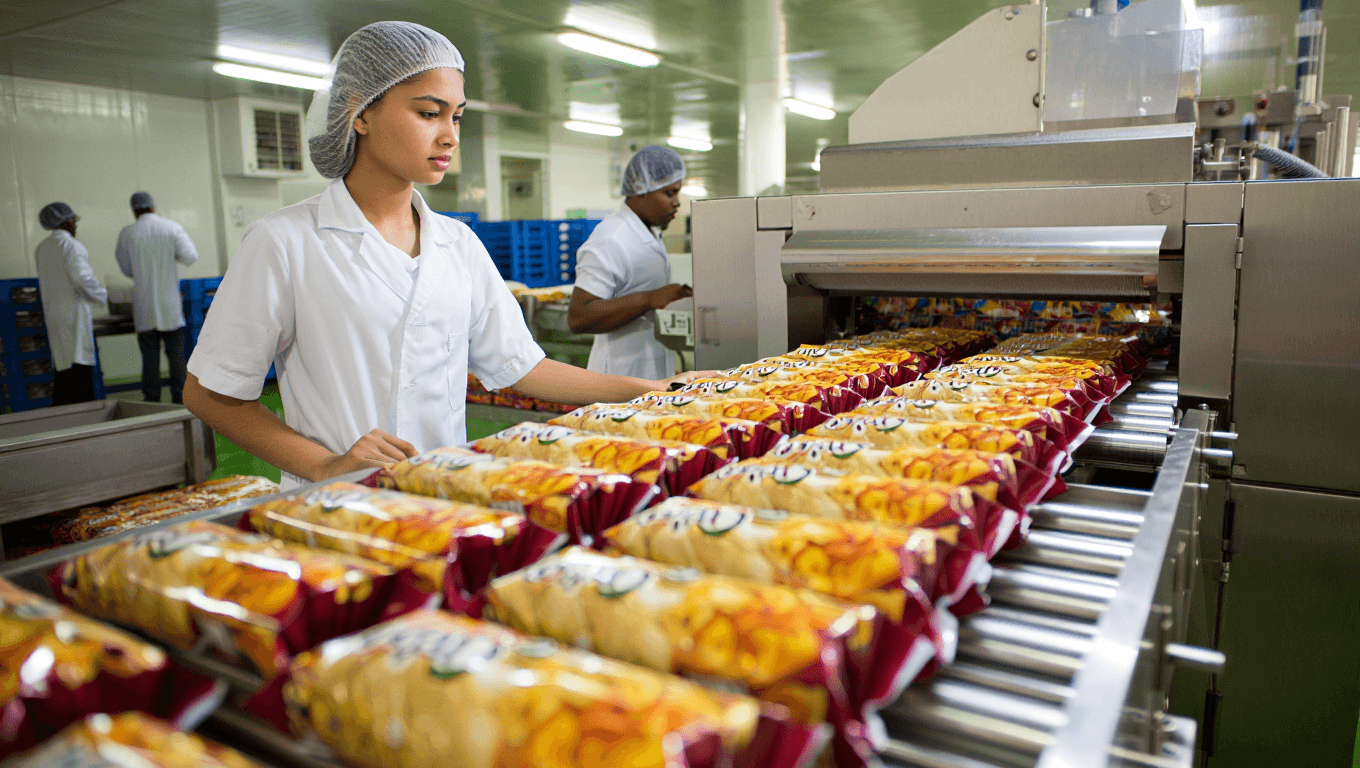
New research suggests that the way food is manufactured shapes its effect on our bodies as much as the ingredients listed on the label. Far beyond calories and sugar counts, processing methods alter texture, chemistry, and how our brains and microbiomes respond to food. That reality is changing how scientists, regulators, and shoppers think about ultra-processed foods.
How processing changes food beyond nutrients
Food manufacturing is more than mixing ingredients. Techniques like extrusion, hydrogenation, and intense heating change a food’s structure and chemical composition. Those changes can shift digestion speed, hunger signals, and metabolic responses.
Disrupting the food matrix
The food matrix is the physical arrangement of nutrients inside a food. When that matrix is broken down by industrial processes, digestion often speeds up. Faster digestion can lead to quick glucose spikes and weaker satiety signals.
Chemical transformations matter
- High temperatures and pressure produce advanced glycation end products (AGEs) and oxidized lipids.
- Partial hydrogenation created trans fats, which increase heart disease risk.
- Emulsifiers, stabilizers, and surfactants can alter gut lining and microbiome balance.
These are not trivial changes: they affect biology, not just taste and shelf life.
Common industrial methods and what they do
Understanding specific techniques helps explain why two foods with similar calories can have different effects.
- Extrusion: Used for cereals and snacks, this process forces dough through a die at high heat and pressure. It creates airy textures but also breaks down starches.
- Hydrogenation: Historically used to solidify oils, it can form trans fats and change lipid profiles.
- Emulsification and homogenization: These create smooth textures but disperse fats and additives more evenly, altering digestion.
- Aseptic packaging and long shelf-life techniques: Extend storage but often accompany additives and intense processing steps.
- Ultrafiltration and protein isolation: Concentrate nutrients but remove other matrix elements that moderate absorption.
Links between processing and health outcomes
Large cohort studies repeatedly find associations between high consumption of ultra-processed foods and higher risk of obesity, diabetes, heart disease, and some cancers. Controlled trials are fewer, but they suggest rapid effects on calorie intake and weight.
Mechanisms scientists are exploring
- Faster digestion and calorie absorption can increase total intake.
- Food additives may change gut bacteria and inflammation.
- Highly palatable textures and flavors can override fullness cues.
- Packaging chemicals, like certain plasticizers, may leach into food.
Correlation is strong, but causation is complex: diet patterns, socioeconomic factors, and marketing all play a role.
Critiques of classification systems and the search for nuance
The NOVA system popularized the term “ultra-processed,” but it groups many different products together. Critics argue that classification by ingredient lists alone misses the role of process specifics.
- Some minimally nutritious products are industrially processed but may still be better than truly unhealthy alternatives.
- Not all additives or processing steps cause harm; dose, context, and food matrix are key.
- Researchers want a more granular taxonomy that tags specific processes and mechanisms.
Practical steps for consumers and policymakers
Shifting diets and policy can reduce harms tied to how foods are made, not just what they contain.
- Shop whole-food first: vegetables, legumes, whole grains, and minimally processed proteins.
- Read labels for processing cues: long ingredient lists, unfamiliar chemical names, or multiple emulsifiers.
- Favor brands that disclose processing methods and limit unnecessary additives.
- Policy options include front-of-pack warnings, limits on certain additives, and incentives for home-style preparation in schools.
Industry responses and reformulation trends
Some companies reduce sugars, remove artificial colors, or replace certain emulsifiers. Others invest in novel processes that preserve texture while minimizing chemical changes.
- Clean-label marketing highlights simpler ingredient lists.
- Technologies like high-pressure processing aim to extend shelf-life with less heat.
- Food start-ups explore plant-based matrices that mimic whole foods’ digestion.
Where research needs to go next
Scientists call for trials that isolate processing effects from nutrient profile changes. They want biomarkers that signal exposure to processing-derived compounds.
- Randomized controlled feeding studies that vary processing but not calories.
- Microbiome and metabolome analyses to map pathways from processing to disease.
- Better labeling that communicates processing methods and potential risks.
Signs to watch on product labels
- Long, technical ingredient lists and many additives.
- Terms like “partially hydrogenated” or “artificial flavor.”
- Claims about ultra-long shelf life or highly engineered textures.
Being alert to processing cues helps consumers choose foods that support health and reduce hidden risks.
Similar Posts:
- Ultra-processed foods: spot the good ones and ditch the bad
- Ultra-processed foods may raise risk of early-onset colorectal cancer in women
- Ultra-processed foods could damage your bones: here’s why
- Ultra-processed foods linked to men’s reproductive and metabolic decline
- Ultra-processed foods tied to higher type 2 diabetes risk: how to cut them

Cole is a passionate vegan dessert artist with a knack for turning indulgent classics into plant-based masterpieces. His sweet creations are where flavor meets conscious living.