

A large multinational clinical trial has found that a once-weekly oral pill can maintain viral suppression in people with HIV as effectively as a daily antiretroviral regimen. The finding could reshape how HIV is treated around the world, by easing the burden of daily medication and improving long-term adherence for many patients.
Key clinical results that could change HIV care
The study enrolled adults who already had viral suppression on daily therapy. Participants were switched to a once-weekly formulation or continued daily treatment. Over the study period, viral suppression rates were comparable between both groups.
Once-weekly dosing matched daily therapy for keeping HIV under control. The trial met its primary endpoint without showing increased virologic failure in the weekly arm.
How the once-weekly option works and why it matters
The weekly regimen uses modern antiretroviral agents formulated for extended activity. These drugs maintain therapeutic levels in the bloodstream long enough to allow dosing every seven days.
- Lower daily pill burden.
- Reduced risk of missed doses over weeks or months.
- Potential for improved quality of life.
Less frequent dosing often improves real-world adherence. That matters for preventing resistance and keeping patients healthy.
Adherence, resistance, and real-world benefits
Adherence is a major driver of treatment success in HIV. Daily regimens require consistent behavior, which can be disrupted by travel, work shifts, or personal stress.

With weekly dosing, lapses are less likely to allow viral rebound. But experts caution that missed weekly doses can still pose risks.
- Weekly pills simplify routines for many patients.
- They may reduce stigma associated with daily medication.
- Monitoring remains essential to detect early resistance.
Safety profile and side effect comparison
Both treatment approaches showed similar safety profiles in the trial. Most adverse events were mild to moderate.
Some participants on the weekly pill reported transient side effects after dosing, while daily users experienced the usual, low-grade effects tied to lifelong therapy.
No new serious safety signals emerged in the weekly group during the study window.
Who could benefit most from once-weekly HIV pills
Certain patient groups may gain disproportionate benefit from less frequent dosing.
- People with busy or unpredictable schedules.
- Those who struggle with daily adherence.
- Individuals facing social stigma or privacy concerns.
Clinicians will need to personalize decisions, balancing lifestyle, co-morbidities, and potential drug interactions.
Access, cost, and implementation challenges
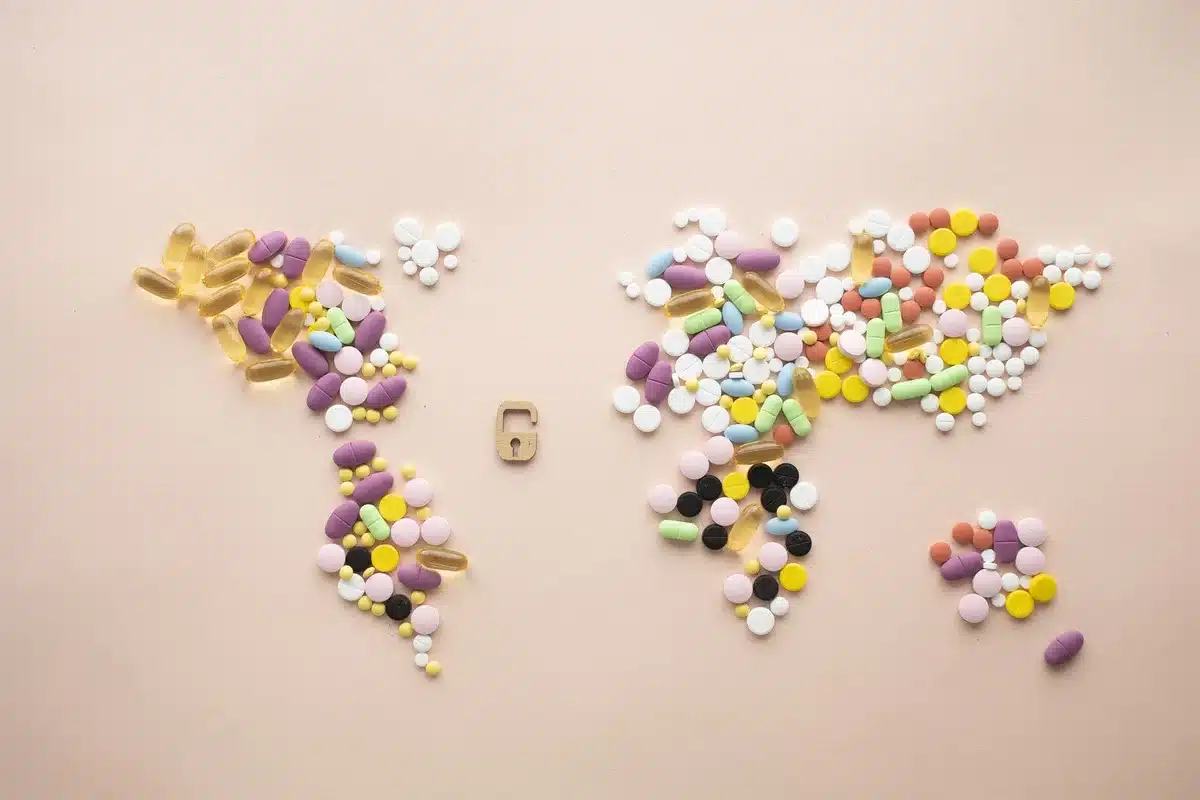
Rolling out a weekly pill worldwide faces hurdles beyond clinical effectiveness. Regulators, payers, and supply chains would all play a role.
- Pricing and reimbursement frameworks must evolve.
- Health systems need updated guidelines and training.
- Equitable access is critical for low- and middle-income countries.
Without careful planning, a breakthrough pill could widen gaps in care.
What clinicians and public health leaders are considering
Practitioners are weighing trial data against long-term evidence needs. Real-world studies will be important to confirm benefits outside clinical centers.
Public health leaders are assessing how weekly treatment fits into existing prevention and treatment strategies.
- Integration with testing and linkage-to-care programs.
- Monitoring for resistance at population level.
- Education campaigns to support adherence and uptake.
Voices from the field: patients and specialists respond
Many patients report excitement at the prospect of fewer pills. Specialists caution that individual counseling remains key.
For some, one weekly pill could mean less stigma and more normalcy. For others, predictable medical follow-up and support remain essential.
Similar Posts:
- Semaglutide higher doses lead to faster, greater weight loss: study
- Ozempic pill could revolutionize type 2 diabetes treatment: what patients need to know
- Orforglipron: Eli Lilly’s new obesity pill could revolutionize weight loss
- Wegovy weight-loss pill approved by FDA: is it better than injectables?
- Oral GLP-1 pill drives major weight loss and lowers blood sugar: AstraZeneca

Cole is a passionate vegan dessert artist with a knack for turning indulgent classics into plant-based masterpieces. His sweet creations are where flavor meets conscious living.