
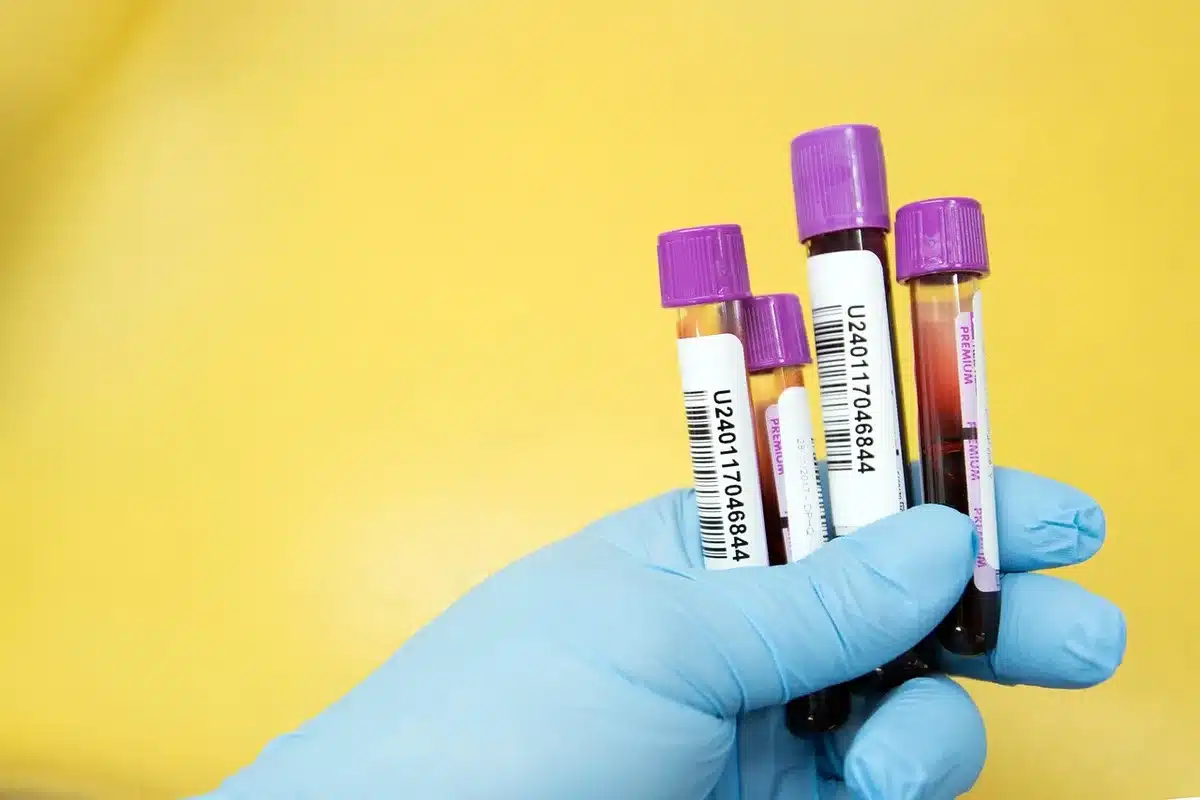
A new blood test shows promise for spotting colorectal polyps and very early cancers, potentially changing how millions are screened. The test aims to detect molecular traces shed by tumors and precancerous lesions into the bloodstream. If validated, it could offer a simpler, less invasive path to early detection and treatment.
How the new blood test works and what it detects
The test analyzes tiny fragments of DNA and chemical markers in the blood. These fragments, called cell-free DNA, often carry abnormal patterns when a polyp or tumor is present. Using advanced sequencing and machine-learning models, the assay looks for those patterns.

- DNA methylation signals: Chemical tags that differ between healthy and abnormal tissue.
- Genetic alterations: Small mutations that appear in tumor DNA.
- Fragmentation profiles: The sizes and shapes of DNA fragments vary with disease.
Study findings: sensitivity, specificity, and what was discovered
Results from the latest multicenter study show encouraging accuracy for early-stage disease. Researchers report that the test identifies many advanced adenomas and Stage I colorectal cancers that routine bloodwork misses.
- Sensitivity for advanced precancerous polyps and Stage I tumors ranged widely based on lesion size and location.
- Specificity was high, reducing false positives in healthy people.
- Performance improved when combined with clinical risk factors like age and family history.
Numbers that matter
While exact figures vary by trial, investigators emphasize two points. First, the test detects lesions that fecal tests often miss. Second, it catches a substantial portion of early cancers when treatment is most effective. Early detection like this can significantly improve survival rates.
Why this could change colorectal cancer screening
Colonoscopy remains the gold standard. But many people avoid it due to preparation, discomfort, cost, or access issues. Noninvasive alternatives include stool-based tests, which require samples and repeat testing. A convenient blood test could increase screening uptake.

- It is potentially easier to integrate into routine primary care visits.
- Blood sampling may appeal to people who refuse stool tests or colonoscopy.
- It could triage patients for diagnostic colonoscopy, focusing resources where needed.
Comparing the blood test with current options
Each screening method has trade-offs. Colonoscopy inspects the entire colon and removes polyps on the spot. Stool tests are low-cost but need frequent repetition. The blood test aims to balance accuracy with convenience.
- Colonoscopy: Highest detection, invasive, requires prep.
- Stool-based tests (FIT, Cologuard): Noninvasive, sample-based, variable sensitivity for polyps.
- Blood test: Noninvasive, single-sample convenience, promising detection for early lesions.
Clinical implications and patient impact
Wider adoption of a reliable blood test could catch more cancers at an early, treatable stage. That would lower mortality and reduce costly late-stage treatments. Primary care doctors could order the test like any routine blood panel.
- Patients with positive results would be referred for colonoscopy.
- Negative results may allow longer intervals before invasive testing, depending on risk.
- Insurance coverage and guidelines will influence uptake.
Limitations, challenges, and unanswered questions
No single test is perfect. Early data are promising but require broader validation across diverse populations. Small polyps may shed scant DNA and escape detection. There is also the risk of false positives that trigger unnecessary procedures.
- Need for large, prospective trials to confirm effectiveness.
- Performance differences by age, ethnicity, and tumor location need study.
- Cost-effectiveness compared with current screening programs remains to be determined.
Regulatory path and next steps for research
Developers are pursuing larger clinical trials and regulatory review. If regulators approve the test, it must still be integrated into screening guidelines and covered by payers. Implementation studies will examine real-world impact on screening rates and outcomes.
- Phased trials will expand participant diversity and follow-up time.
- Health systems will pilot workflows to pair the blood test with colonoscopy referral pathways.
- Economic analyses will help determine reimbursement strategies.
Voices from the field: clinicians and patient perspectives
Clinicians see potential to close screening gaps. Patients describe relief at a simpler option. Still, experts caution that a positive blood test is a prompt, not a final diagnosis. Follow-up colonoscopy remains essential to confirm and treat findings.
Practical tips for readers about colorectal cancer screening
Independent of new technology, screening matters. Here are practical points anyone can use:
- Follow age and risk-based screening guidelines from your health provider.
- Talk to your doctor about available noninvasive options if you avoid colonoscopy.
- Ask how new tests would affect your screening schedule and follow-up care.
Similar Posts:
- Colorectal cancer surge: now deadliest cancer for people under 50
- James Van Der Beek dies of colon cancer at 48: signs and symptoms to know
- Aspirin won’t prevent colorectal cancer: what actually reduces your risk
- Colon cancer at 32: doctors dismissed her as too young
- Rectal bleeding in young adults signals 8.5x higher colorectal cancer risk

Cole is a passionate vegan dessert artist with a knack for turning indulgent classics into plant-based masterpieces. His sweet creations are where flavor meets conscious living.