

Freezing is one of the easiest ways to cut food waste and stretch a grocery budget. But not every ingredient thrives after a deep freeze. Learn which foods handle the cold, which ones lose texture or flavor, and the simple habits that keep your frozen meals tasting fresh.
How freezing changes food: the science in simple terms
Freezing halts microbial growth and slows chemical reactions. Ice crystals form inside cells. Small crystals preserve texture. Large crystals can rupture cell walls. That leads to soggy or grainy textures.
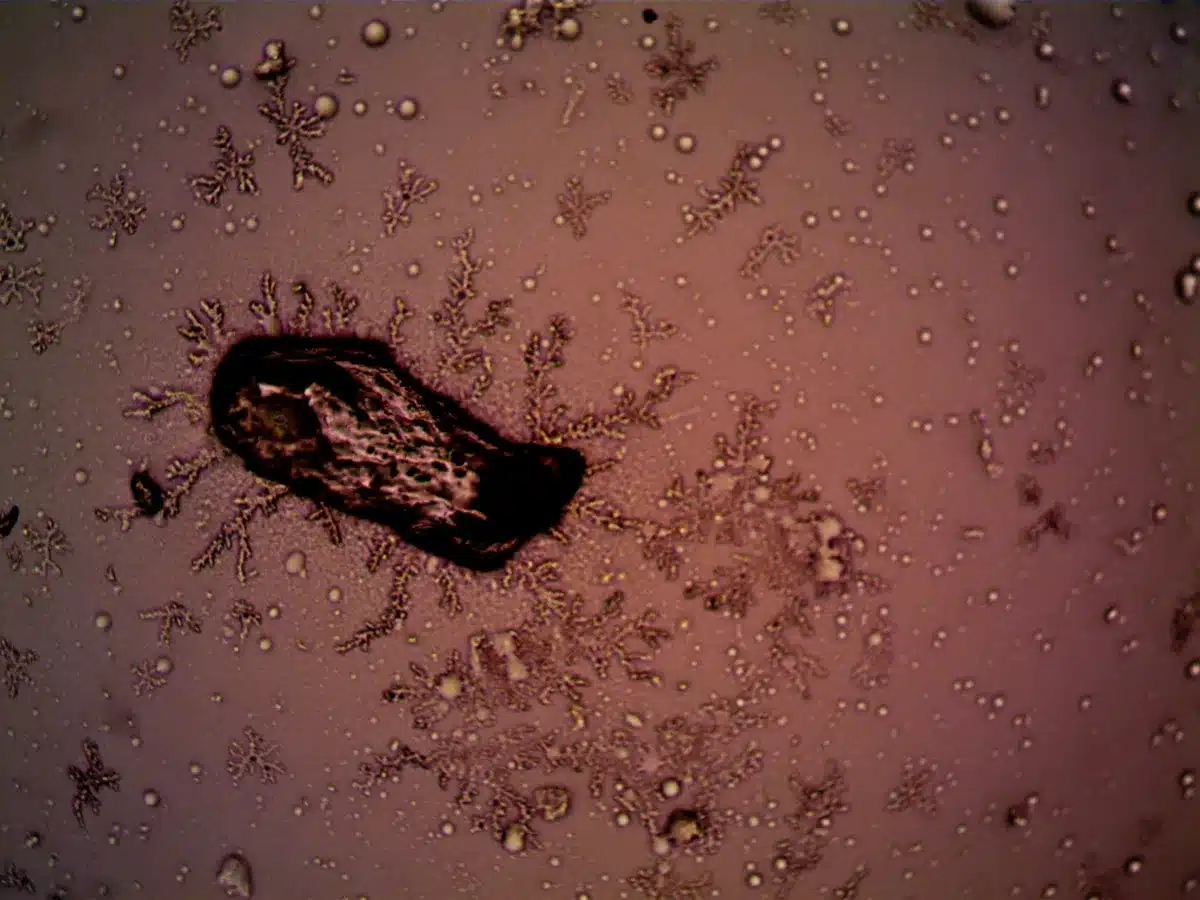
- Water content matters: High-water foods are more prone to damage.
- Fat and sugar can protect texture and flavor.
- Proper packaging prevents freezer burn and off-flavors.
Foods that freeze well and why you should keep them on hand
These items maintain taste and texture after freezing. They are ideal for meal prep and long-term storage.
Meats and proteins
- Raw beef, pork, and whole cuts. They tolerate freezing when tightly wrapped.
- Cooked meats and stews. Sauces protect muscle fibers from drying out.
- Seafood: oily fish like salmon freeze well. Shellfish can be frozen if fresh and cleaned.
Vegetables that survive the freeze
- Blanched vegetables such as green beans, peas, and broccoli freeze with minimal quality loss.
- Leafy greens work if blanched and packaged tightly.
- Root vegetables like carrots and beets hold texture after par-cooking.
Fruits and baking staples
- Berries, stone fruits, and sliced apples freeze well for smoothies and baking.
- Dough and pastry: store-ready cookie dough and pie crusts freeze easily.
- Bread freezes well when wrapped to exclude air.
Common foods you should avoid freezing
Certain items suffer from ice crystal damage or separation. Freezing them often ruins texture or makes them unsafe.
Dairy and egg-based items
- Milk can be frozen but may separate. Shake well after thawing.
- Soft cheeses like brie turn grainy. Hard cheeses fare better.
- Custards and cream-based desserts can split and become watery.
Fresh produce that loses quality
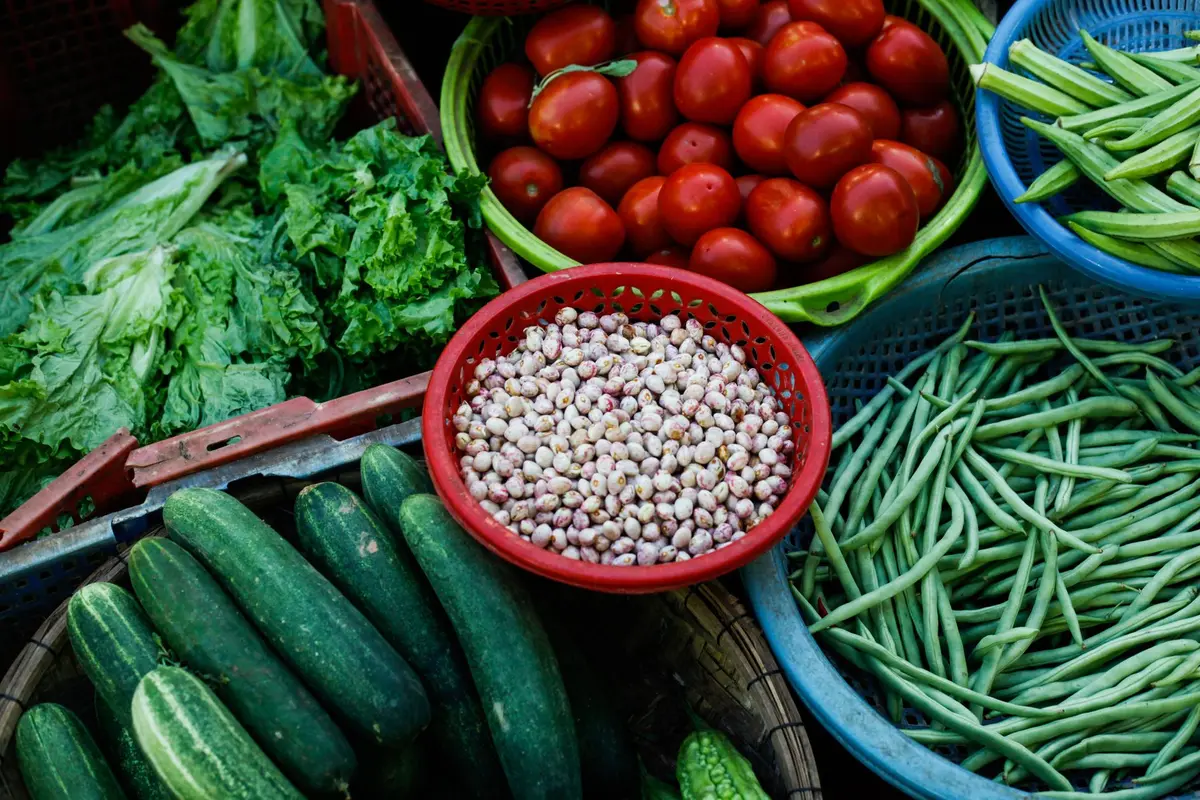
- Cucumbers and lettuce become limp and mushy.
- Raw tomatoes lose firmness; use them only after cooking.
- Watermelon and citrus segments turn mealy and watery.
Prepared foods to be cautious with
- Sauces with dairy often separate on thawing.
- Fried foods lose crispness and can taste soggy.
- Eggs in the shell will expand and crack; never freeze them raw in the shell.
Practical freezing tips: maximize flavor and safety
Small habits make a big difference when freezing. Follow these steps to protect texture and taste.
- Cool foods before freezing. Hot items raise freezer temperature and create ice crystals.
- Use airtight packaging. Vacuum sealers or freezer bags cut air exposure.
- Label with contents and date. Rotate stock using the oldest items first.
- Portion meals before freezing for easy thawing and reuse.
- Avoid refreezing thawed food. Quality and safety decline after multiple freeze-thaw cycles.
How to thaw safely and retain texture
Thawing methods affect both safety and enjoyment. Choose the right approach for the food type.
- Refrigerator thawing is safest. It keeps food at a safe, constant temperature.
- Cold-water thawing is faster. Keep food sealed and change water every 30 minutes.
- Use the microwave for quick defrosting, then cook immediately.
- Some items, like berries or frozen vegetables, can be used directly from the freezer.
Storage time guidelines and packaging pointers for the freezer
Knowing how long items remain quality-safe prevents waste. Use effective packaging to extend shelf life.
- Meats: 4–12 months depending on the cut and packaging.
- Cooked meals: 2–6 months for best quality.
- Vegetables and fruits: 8–12 months if blanched and sealed.
- Use heavy-duty freezer bags or airtight containers. Remove excess air before sealing.
- Label everything with the date. First in, first out keeps food fresh.
Smart substitutions for foods that don’t freeze well
When a raw ingredient won’t survive freezing, try workarounds that preserve convenience.
- Swap fresh lettuce in recipes for coleslaw mix or kale that freezes better.
- Puree tomatoes for sauces instead of freezing whole tomatoes.
- Freeze pancake or waffle batter in measured portions for quick breakfasts.
- Make smoothies ahead and freeze them in single-serve portions for easy blending.
Similar Posts:
- Never exceed this freeze time to keep bread tasting fresh
- Don’t freeze bread beyond this time for best quality
- Freeze Peaches Like a Pro: Enjoy Them All Year Round!
- Oreo truffles: heart-shaped Valentine’s treats you can make in minutes
- Ultra-processed foods linked to diabetes risk: 3 diet facts you need to know

Health advocate and wellness researcher, Dr. Monroe brings clarity to confusing health trends with science-backed advice. Her mission is to help readers live vibrantly, from the inside out.