
Buying a house is thrilling, but that rush can blur judgement and cost you thousands. With prices no longer guaranteed to rise, a few careful habits will protect your savings. Read on for practical, expert-backed steps to avoid overpaying when you make an offer.
Lock in your budget before you look
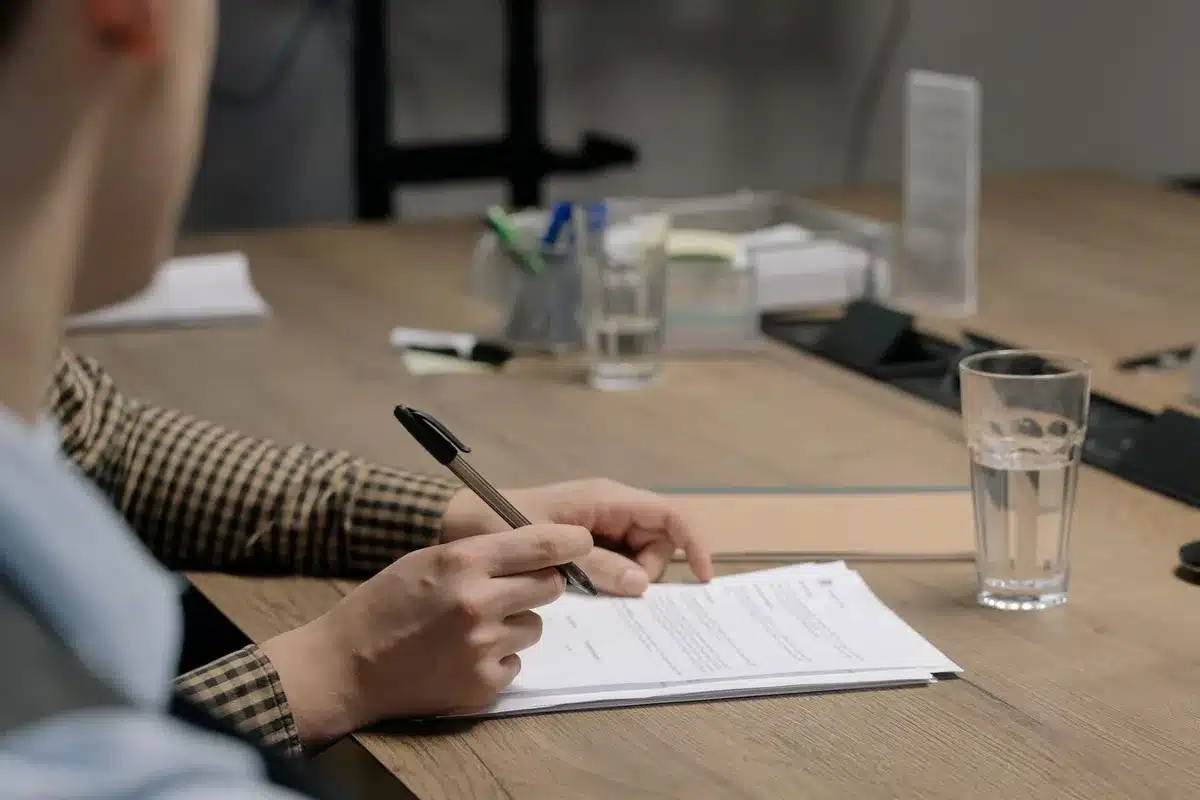
Start with paperwork that proves you can buy. An agreement in principle from a lender signals you’re a serious bidder. Sellers notice this.
Show up with proof of funds or mortgage readiness. It speeds negotiations and prevents unrealistic bidding wars.
- Get pre-approved for a mortgage early.
- Clarify deposit and moving costs ahead of time.
- Know your maximum as a safety cap, but don’t reveal it.
Spot the signs a property is overpriced
Not all listings tell the full story. Check the sales history and look for patterns.

- Multiple price cuts are a clear warning.
- Long days on market usually mean initial pricing was too high.
- Compare nearby recent sales for a reality check.
If similar homes nearby sold for less, the asking price may be inflated. Use comparables as leverage in offers.
Turn viewings into investigations
One quick visit won’t reveal everything. Treat viewings like research missions.
Practical steps at the property
- Visit at different times of day.
- Listen for noise and check traffic or nightlife impacts.
- Look for signs of damp, cracks or poorly maintained exteriors.
Check the neighbourhood
- Talk to neighbours if possible; they’re often candid.
- Inspect parking and street lighting during evening hours.
- Notice smells, nearby businesses and local amenities.
Small lifestyle issues can have big effects on value. Spot them before you commit.
Pay for a survey — it often saves you money
Spending a few hundred pounds on a professional survey can prevent a costly mistake.
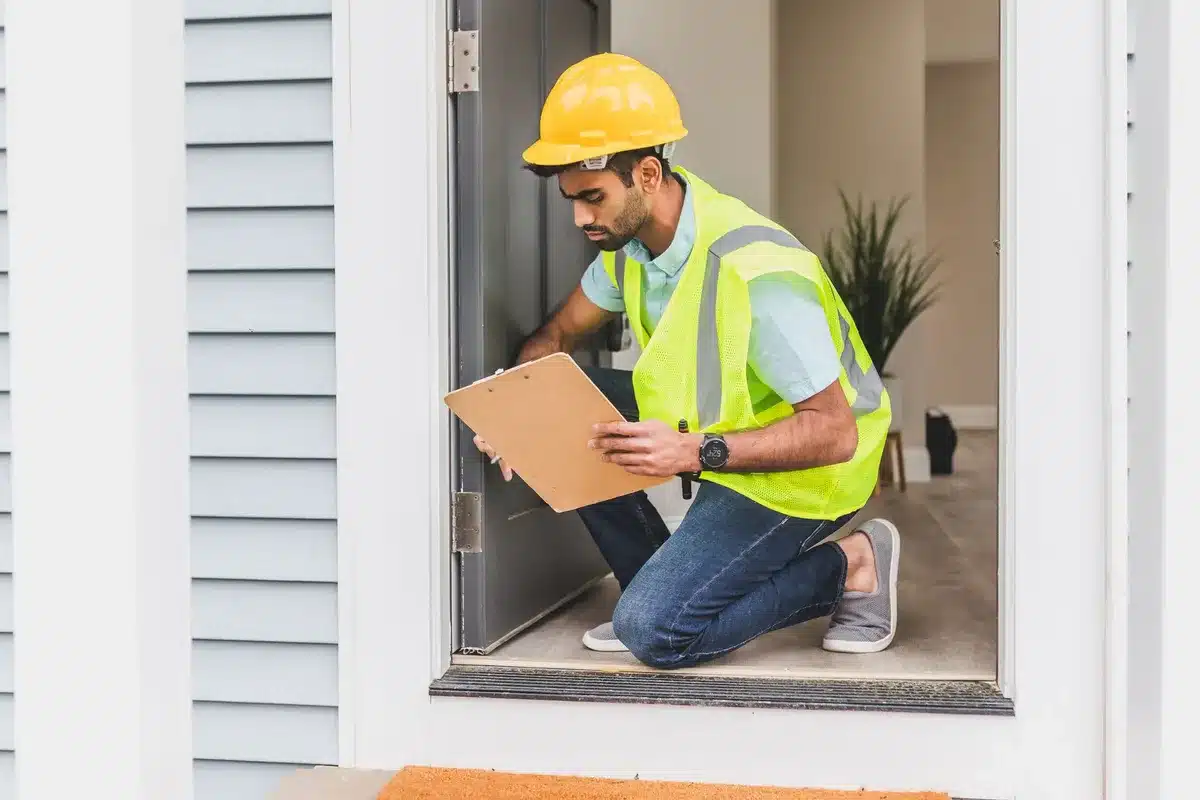
Inspectors reveal hidden problems: structural faults, failing wiring, roof issues, or subsidence. These can amount to large repair bills.
- Basic survey: cheaper, highlights obvious defects.
- Full structural survey: best for older or unusual homes.
- Use findings to renegotiate or walk away.
A survey arms you with facts, not guesses. Sellers often drop their price when confronted with evidence.
Negotiate smartly — don’t give away your position
How you make an offer matters. Aim to negotiate from strength, not emotion.
- Start with a sensible, research-backed offer.
- Avoid revealing your top budget to the agent.
- Frame requests for repairs or discounts based on survey findings.
The estate agent represents the seller. Play to that reality. Most negotiations move from the initial offer to a middle ground.
Remember: the best buyers are calm and prepared. Rush decisions often lead to paying too much.
Use time and choice as bargaining chips
Recent market shifts have given buyers more options. Many sellers must reduce prices or wait longer to sell.
If you can, be willing to step away. That mindset is a powerful negotiating tool and prevents emotional overreach.
Patience often delivers the largest discounts. Buying well is about making a durable choice, not winning a quick bidding war.
Similar Posts:
- Stagflation squeeze on buyers: property expert says no housing boom before summer
- Thousands of house-sellers frozen out of market this summer: how to avoid being one
- Housing bounce this spring: property expert warns it’s a reality check
- Summer moving trap catching homebuyers: how to avoid costly delays
- UK drivers save on fuel and parking: act quickly

Naomi is a clean beauty expert passionate about science-driven skincare and natural remedies. She demystifies ingredients and shares routines that empower readers to glow — naturally.