
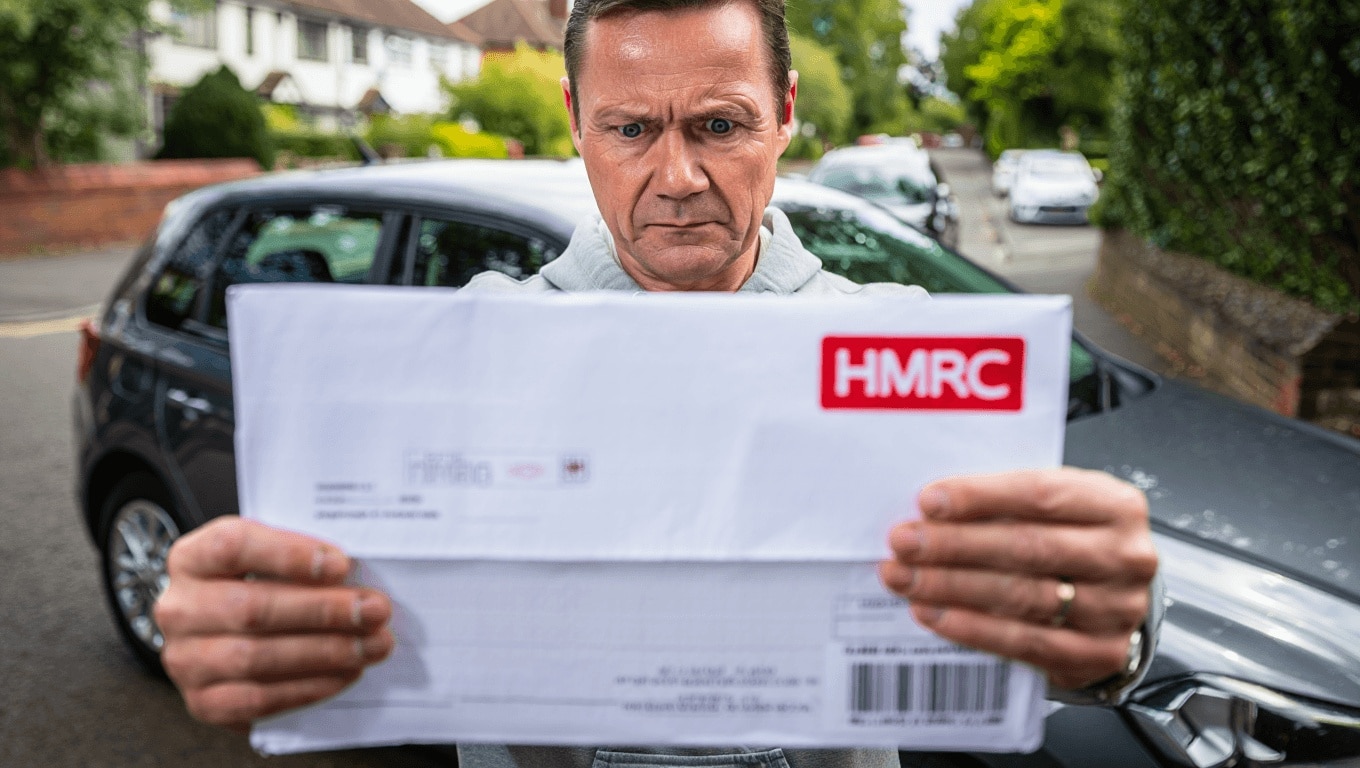
HMRC’s recent reshuffle of company car tax is drawing sharp criticism from motoring experts, who say diesel drivers are being left to shoulder heavier bills as the government pushes toward electric vehicles. The Benefit-in-Kind (BiK) changes that took effect this April are shifting costs in ways that could hit high-mileage staff and anyone who still needs diesel vehicles for work.
How the new Benefit-in-Kind rules work and what changed this April
The government adjusted BiK percentages across emissions and electric-range bands at the start of the financial year. These rates determine the taxable benefit for employees who get a company car.
- BiK increases for low-emission cars: Many electric and low-emission bands rose by one percentage point.
- Highest-polluting models: Petrol and diesel cars emitting more than 155g/km remain taxed at 37% of the car’s list price, and this can increase further over time.
- Diesel surcharge: A specific 4% uplift applies to diesel cars for BiK calculations, adding to the overall tax charge on those models.
2026–27 company car bands and the updated percentages
Below is a simplified breakdown of the main CO2 and electric-range bands and the BiK rates now applying for 2026–27.
- 0 g/km (zero emissions): 4% (previously 3%)
- 1–50 g/km (130+ miles electric range): 4% (up from 3%)
- 1–50 g/km (70–129 miles range): 7% (up from 6%)
- 1–50 g/km (40–69 miles range): 10% (up from 9%)
- 1–50 g/km (30–39 miles range): 14% (up from 13%)
- 1–50 g/km (under 30 miles range): 16% (up from 15%)
- 51–54 g/km: 17% (up from 16%)
- 55–59 g/km: 18% (up from 17%)
- 60–64 g/km: 19% (up from 18%)
- 65–69 g/km: 20% (up from 19%)
- 70–74 g/km: 21% (up from 20%)
- 75–79 g/km: remains 21%
- 80–84 g/km: remains 22%
- 85–89 g/km: remains 23%
- 90–94 g/km: remains 24%
- 95–99 g/km: remains 25%
- 100–154 g/km: bands remain between 26% and 36%
- 155 g/km and above: remains at 37%
Numbers that matter: who is using company cars and how values have shifted
Company car ownership patterns have changed noticeably in recent years.
- Total recipients: Around 920,000 people were reported as company car beneficiaries in the 2024–25 tax year.
- Year-on-year rise: That figure is roughly 80,000 higher than the year before.
- Long-term comparison: It is still below the peak of about 960,000 in 2015.
- Average taxable value: The average reported benefit value has fallen sharply from about £6,770 in 2019–20 to roughly £3,330 in 2024–25.
- Electric uptake among company cars: More than half—about 51%—of company cars are fully electric.
- Diesel representation: Diesel cars account for about 7% of company car benefit recipients.
Expert view: why some drivers are effectively penalised
Tax advisers warn the recent changes produce winners and losers. While EV drivers see lower BiK percentages, others face higher bills.
- Experts point out that higher BiK rates for certain bands and the diesel surcharge will increase tax paid by some employees.
- Those who cannot realistically switch to EVs—because of long business miles—may be disadvantaged.
- For many high-mileage roles, employers still expect diesel vehicles for range and refuelling convenience.
One tax director noted that sales and field staff doing 20,000–30,000 business miles a year are unlikely to benefit from a fully electric car, due to current range limits and recharging time.
Practical implications for employers and employees
Both companies and staff should review car policies and tax planning in light of the adjustments.
- Employers should reassess fleet strategy and consider allowances for high-mileage roles.
- Employees offered a company car need to calculate the after-tax cost, not just the monthly benefit.
- Think about plug-in hybrid ranges: short electric ranges can move a vehicle into a higher BiK band.
- Workplace charging, salary sacrifice schemes, and EV grants can change the real cost picture.
What to check now if you or your business use company cars
- Confirm the car’s CO2 band and official electric range before agreeing a model.
- Run total cost comparisons, including fuel, charging, BiK tax, and mileage policies.
- Consider whether a cash allowance or mileage reimbursement is fairer for long-distance roles.
- Speak to a tax adviser to explore timing and tax-efficient ways to update fleet vehicles.
Similar Posts:
- Young Drivers Shell Out £16,000 Extra for Electric Cars: Big Savings on Tax Bills
- Driving law changes in June: new MOT rules, HMRC hikes and DVSA updates
- HMRC petrol and diesel rates, DVSA rules: driving law changes you missed in June
- New VAT Fuel Rates Launch May 1: Drivers Face Up to £2,314 in Charges
- Electric Cars Surge in Popularity: Confidence Overtakes Traditional Fuel Vehicles

Naomi is a clean beauty expert passionate about science-driven skincare and natural remedies. She demystifies ingredients and shares routines that empower readers to glow — naturally.