
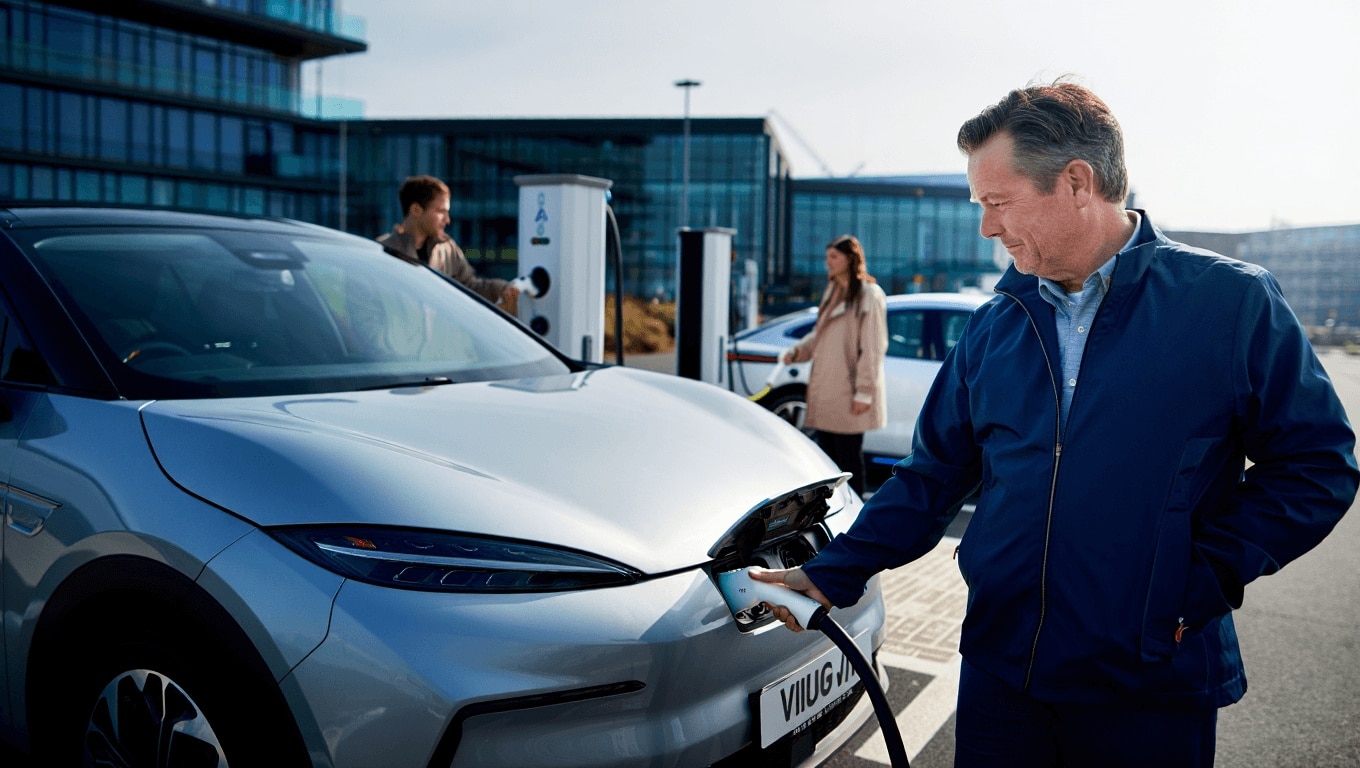
Drivers across the UK are showing renewed interest in electric vehicles, but a fast-growing appetite for EVs is colliding with a patchy public charging network. As petrol bills bite, many motorists are tempted to switch, yet local shortages of chargers threaten to stall the shift to electric transport.
EV interest is climbing — what’s pushing drivers toward electric cars
Recent consumer activity shows a clear uptick in enquiries about electric cars. Rising petrol and diesel prices are a major factor. Incentives and grants have also nudged drivers to look into EVs.
Industry data suggests enquiries have jumped noticeably in recent weeks. That surge signals growing readiness to change, but interest alone does not solve practical hurdles.
Where charging infrastructure is falling behind in UK towns and cities
Analysis of government figures reveals uneven distribution of public chargers. Urban areas, where many drivers lack off-street parking, are particularly strained.
- Stockport stands out with one of the lowest ratios: roughly two public chargers per 1,000 registered EVs.
- Other places identified as high priority include Windsor and Maidenhead and Peterborough.
- Smaller towns and some boroughs show faster EV growth than their charging rollout can support.
Charging shortfall: why the gap between EVs and chargers matters
Experts warn that the pace of EV adoption is now outstripping infrastructure development. When chargers are scarce, drivers face longer waits and reduced confidence in switching.
Practical access to public chargers is critical for drivers who cannot charge at home. Without it, purchase decisions stall and the overall transition slows.
Industry voices: incentives spark interest, communication keeps it alive
Auto market analysts note that financial incentives can drive immediate spikes in interest. But sustaining that momentum needs clear, ongoing public information and local planning.
One industry director explained that while grants and offers draw attention, many motorists remain unaware of existing schemes. That knowledge gap reduces the long-term effectiveness of incentives.
Priority actions recommended to close the charging gap
Researchers and industry leaders urge local and national officials to speed up charger deployment. Recommendations focus on targeted, practical steps.
- Accelerate installation of public chargers in identified hotspots.
- Prioritise areas with high EV growth and limited existing infrastructure.
- Increase communication about grants and incentives to drivers.
- Coordinate planning between councils, energy suppliers and private operators.
- Encourage workplace and destination charging to reduce pressure on public points.
Focused investment: where funds could make the biggest difference
Targeted funding is more effective than uniform distribution. Investing in the towns showing the worst charger-to-EV ratios will help maintain consumer confidence.
Local authorities are urged to fast-track projects in the highest-pressure areas. That includes simplifying permits and collaborating with private charging firms.
Policy context: the 2030 zero-emission mandate and its implications
The UK aims to phase out new petrol and diesel car sales by 2030 under the Zero Emission Vehicle framework. Meeting that target depends on a reliable public charging network.
If infrastructure does not keep pace, compliance with the 2030 timeline becomes harder and the transition could slow.
What drivers should expect in the coming months
With fuel costs staying high, many more drivers will consider EVs. Yet adoption decisions will increasingly hinge on local charging availability.
- Drivers in well-served areas will find switching easier.
- In towns with few public chargers, drivers may delay purchases.
- Buyers should check public and private charging maps before committing.
How the market could respond
Manufacturers and charge-point operators may shift focus to areas flagged as most urgent. Private investment tends to follow clear signals from local demand and supportive policy.
Coordinated action from councils, industry and energy providers will be essential to match charging capacity with rising EV ownership. Failure to act risks creating pockets where drivers cannot rely on the electric network.
Similar Posts:
- Electric car charging milestone hit by UK firm: game-changer for EV rollout
- Electric car barrier hits millions: Labour urged to act with new measures
- EV charging costs slashed: Octopus Energy unveils cheaper option for drivers without driveways
- Labour car grant prompts iconic British automaker to slash prices
- EV drive-thru charging adds 100 miles in 5 minutes: revolutionary system launches soon

Naomi is a clean beauty expert passionate about science-driven skincare and natural remedies. She demystifies ingredients and shares routines that empower readers to glow — naturally.