

Whole grains are easy to find at the supermarket, yet many people still eat mostly refined products. That gap matters because swapping a few items on your plate can affect your heart over time. This article walks through why whole grains matter, how much to eat, simple swaps that work, and what to watch for when you change your diet.
How whole grains affect heart health
Whole grains keep the bran, germ, and endosperm intact. That preserves fiber, vitamins, minerals, and plant compounds. These elements work together to support blood vessels and cholesterol levels.
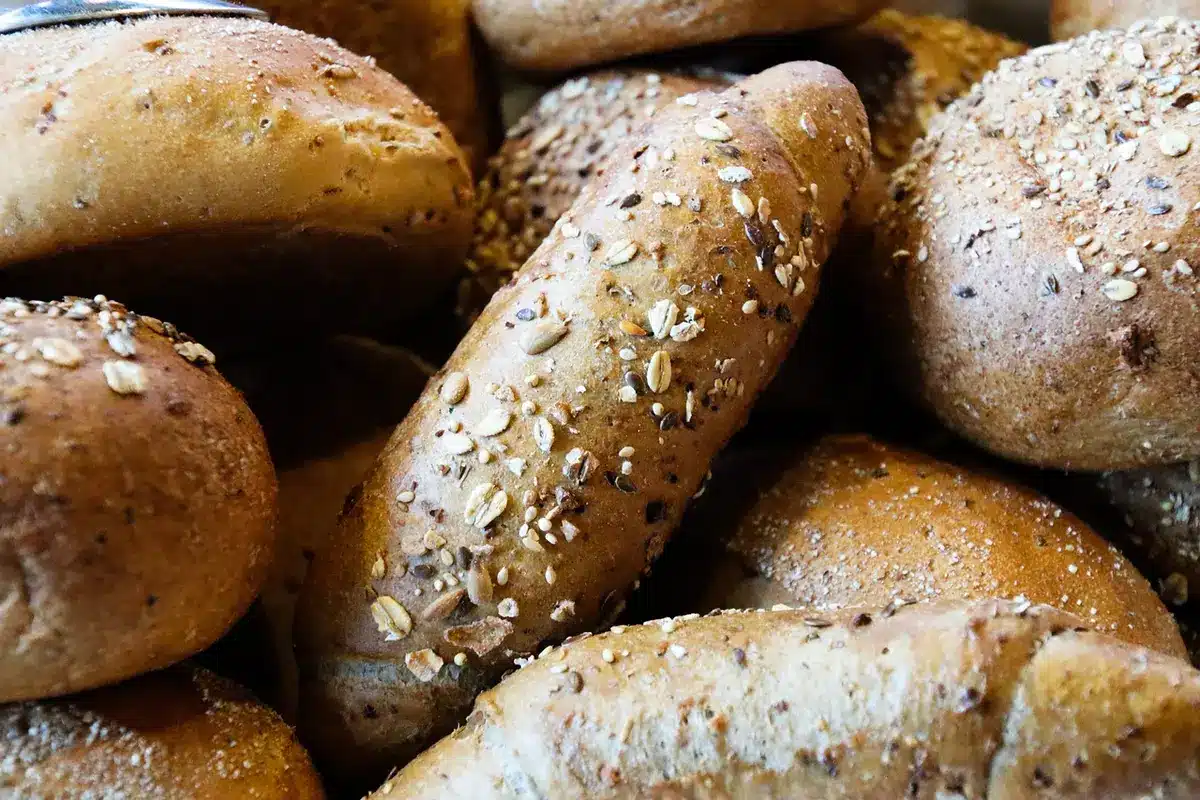
- Fiber slows digestion, which helps control blood sugar and reduces unhealthy spikes.
- Certain compounds in whole grains help lower LDL cholesterol.
- Whole-grain foods are linked to lower inflammation, a key driver of heart disease.
What science says
Large observational studies and reviews consistently show that higher whole-grain intake is associated with better cardiovascular outcomes. While no single food is a cure, replacing refined grains with whole ones is a practical step with measurable benefits.
How much whole grain should you aim for?
Public health guidelines recommend aiming for whole grains at most meals. A useful target is about three servings a day, or roughly 48 grams of whole grains, depending on portion sizes.
- One slice of 100% whole-wheat bread counts as a serving.
- Half a cup of cooked brown rice or oats is another serving.
- Adjust portions based on calorie needs and activity level.
Small, consistent changes matter more than occasional splurges. Make whole grains the default for several meals each week.
Easy swaps that bump up whole grain intake
Replacing refined grains with whole-grain alternatives is simple. These swaps keep meals familiar while improving nutrition.

- White rice → brown rice, barley, or farro
- White bread → whole-grain or sprouted-grain bread
- Regular pasta → whole-wheat or legume-based pasta
- Refined cereal → steel-cut oats, muesli, or whole-grain flakes
Try mixing grains at first. For example, blend half brown rice with half white rice as you transition.
Flavor tips and meal ideas to make whole grains stick
- Cook oats in milk or broth and add fruit, nuts, and spices for a hearty breakfast.
- Use quinoa or bulgur in salads with vegetables and a lemon dressing.
- Swap breadcrumbs for ground oats or whole-grain panko when coating proteins.
- Batch-cook grains at the start of the week to speed up meals.
When whole grains may need special attention
Whole grains are healthy for most people, but individual needs vary. Here are situations that warrant care.
- People with celiac disease must avoid wheat, barley, and rye; choose certified gluten-free whole grains like brown rice and quinoa.
- Those watching calories should balance portion size; whole grains are nutrient-dense and still provide energy.
- If you have digestive issues, increase fiber gradually and drink more water to ease adjustments.
Choosing real whole-grain products at the store
Labels can be confusing. To pick true whole-grain foods, read ingredient lists and nutrition facts.
- Look for “100% whole grain” or a whole-grain stamp.
- Ingredients should list a whole grain first, such as “whole wheat” or “whole oats.”
- Avoid products that say “multigrain” or “made with whole grains” without specifics.
Whole-grain foods that are minimally processed deliver the most benefit. Treat packaged snacks as occasional choices.
How to track progress and measure impact
Changes can be subtle at first. Monitor how you feel, and track lab values if you have a doctor’s guidance.
- Notice steadier energy and fewer sugar cravings.
- Ask your provider to check cholesterol and blood sugar after a few months.
- Keep a simple food log to see if whole grains become part of your routine.
Similar Posts:
- Lower heart disease risk: 9 simple diet swaps new guidelines recommend
- Mediterranean diet for beginners: everything you need to get started
- Ultra-processed foods raise heart disease risk: simple swaps could cut it
- Ultra-processed foods: spot the good ones and ditch the bad
- Ultra-processed foods linked to diabetes risk: 3 diet facts you need to know

Cole is a passionate vegan dessert artist with a knack for turning indulgent classics into plant-based masterpieces. His sweet creations are where flavor meets conscious living.