
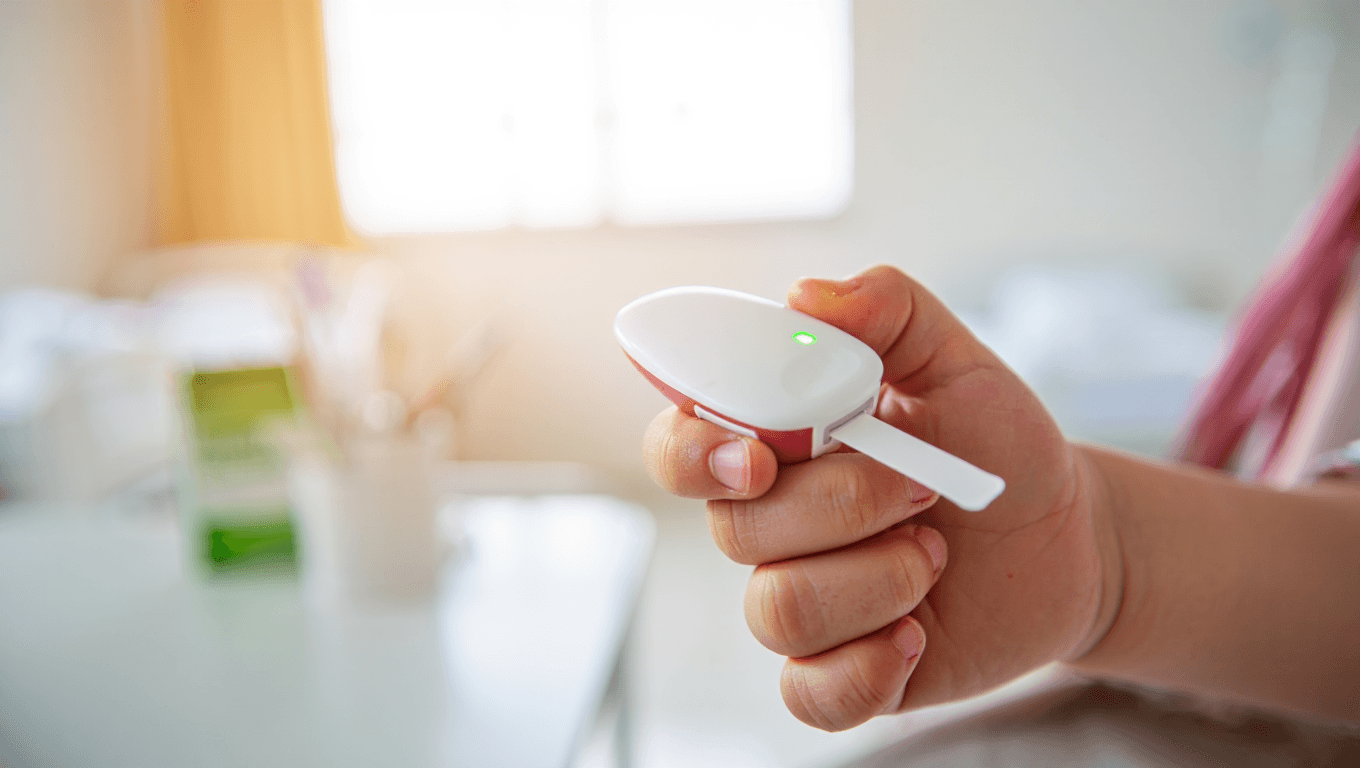
The U.S. health regulator has approved a landmark device that lets children and their families monitor glucose levels without a prescription. This move broadens access to continuous glucose monitoring for younger users and could change daily diabetes care at home and at school. Parents, clinicians, and schools are taking notice of how easier access may affect routines, safety, and costs.
Why the FDA decision matters for children and families
This clearance marks a shift in how glucose monitoring can be obtained. Previously, many continuous glucose monitors required a prescription. Now, with an over-the-counter option available for children, families can buy the device directly. Greater accessibility may reduce delays in starting continuous glucose monitoring and help more young patients benefit from real-time glucose data.
- Faster access: Families can purchase without visiting a clinician first.
- Potential for wider use: Schools and caregivers can more easily obtain devices.
- Impact on care: Earlier adoption could lead to improved daily glucose control for some children.
How the new over-the-counter glucose monitor works
The device is a continuous glucose monitor, or CGM. It uses a small sensor placed under the skin that measures glucose in interstitial fluid. Data is transmitted to a reader or smartphone app. The system provides near real-time glucose readings and alerts for highs and lows.
Key features parents should know
- Sensor application is usually quick and minimally invasive.
- Continuous data removes the need for routine fingerstick checks.
- Customizable alerts can warn about rapid changes in glucose.
- Some models allow caregivers to view data remotely.
Benefits reported and potential downsides to consider
Clinical trials and real-world use show clear advantages, but there are limits. Understanding both sides helps families make informed choices.
Major benefits
- Fewer fingersticks: Less pain and easier daily tracking for children.
- Improved awareness: Trends and alerts help catch highs or lows sooner.
- Better sleep for families: Nighttime alarms can reduce anxiety for caregivers.
- Behavioral benefits: Real-time feedback can support lifestyle adjustments and diabetes education.
Possible concerns
- Accuracy variability: CGM readings may drift at extremes or during rapid changes.
- Skin irritation: Adhesive and sensor placement can cause discomfort for some children.
- Cost and coverage: OTC status may affect insurance reimbursement differently than prescription devices.
- Data overload: Continuous streams of numbers can be stressful without proper guidance.
Evidence behind the clearance and what studies showed
The FDA evaluated data from pediatric studies and other performance testing. Investigators measured how close the CGM readings were to lab glucose values and how reliably the device detected hypo- and hyperglycemia.
- Trials included children across a range of ages.
- Manufacturers provided safety and accuracy data under everyday conditions.
- Regulatory review focused on benefits versus potential risks for young users.
Robust testing in pediatric populations helped support the decision to allow nonprescription sales for children.
How this change could affect schools, caregivers, and clinicians
Schools and caregivers may find it easier to equip children with monitoring tools. Clinicians will still play a key role in education and treatment decisions. OTC status does not replace professional guidance.
- School nurses may need updated protocols for CGM use during class.
- Caregivers should receive training on sensor application and alarm management.
- Doctors should help families interpret trends and adjust insulin plans.
Practical steps for families thinking about an OTC CGM
Before buying, parents should weigh several practical issues and prepare for day-to-day management.
- Talk to your pediatrician about whether a CGM fits your child’s needs.
- Check insurance policies for coverage of sensors and supplies.
- Learn how to apply the sensor and troubleshoot common problems.
- Plan for how data will be shared and who will receive alerts.
- Monitor skin for irritation and rotate sites as recommended.
Privacy, data sharing, and safety considerations
Connected glucose monitors often transfer health data to apps and cloud services. Families should understand privacy settings and how data may be stored or shared.
- Review app permissions and data retention policies.
- Use secure passwords and enable device protections.
- Decide who will have access to remote monitoring links or accounts.
Questions parents should ask before purchasing
- Is the device labeled for my child’s age?
- What training resources are available from the manufacturer?
- How often must sensors be replaced, and what is the cost?
- Will my insurer cover sensors bought OTC?
- How will alerts integrate with our child’s care plan?
Similar Posts:
- FDA Approves Groundbreaking Glucose Monitor for Weight Loss: Discover the Key Features!
- Heart failure care in rural Missouri: remote monitoring cuts hours-long waits
- Toddler with rare neuromuscular disease walks for first time after medical breakthrough
- FDA-approved inhaled insulin transforms teen’s life with diabetes
- Oura Ring 5: smarter health and fitness tracking with powerful new sensors

Cole is a passionate vegan dessert artist with a knack for turning indulgent classics into plant-based masterpieces. His sweet creations are where flavor meets conscious living.