We all know that staying hydrated is important—but how much water do you really need each day? Forget the old “eight glasses” rule. A leading urologist has stepped in to clear the air, and it turns out the truth is more personalised—and a lot more practical—than you might think.
Why hydration is more than just a wellness trend
It’s easy to take water for granted. It’s there when we need it, whether we’re grabbing a bottle from the fridge or filling up a reusable flask. But behind its simplicity lies a critical role in how our bodies function day to day.
Water helps regulate our body temperature, flush out waste, and transport nutrients where they’re needed. Without enough of it, things start to slow down—from your digestion to your energy levels. It’s the kind of basic, everyday support system that quietly keeps everything ticking over.
And yet, many of us still don’t drink enough.
Debunking the myths around thirst
One of the most common beliefs is that you should only drink when you’re thirsty. It sounds reasonable—but according to Dr Rena Malik, a respected urologist, that’s actually a little too late.
By the time you feel thirsty, your body may have already lost around 2% of its water content. While that might not seem like much, even slight dehydration can affect your concentration, mood, and physical performance.
In other words, waiting for thirst isn’t the best strategy. A more proactive approach—small, regular sips throughout the day—is a smarter way to keep your hydration levels steady.
So, how much water should you really be drinking?
Turns out, the “eight glasses a day” mantra isn’t quite as accurate as we once thought. For starters, not all glasses are the same size. And hydration doesn’t only come from water—you’re also getting fluids from other drinks and from water-rich foods like fruits and veg.
According to guidelines from the Institute of Medicine, men should aim for about 3.7 litres of fluids daily, while women need around 2.7 litres. That includes everything you drink—tea, coffee, milk, and even the water in your soup.
Roughly 20% of your daily fluid intake comes from food, so you don’t need to guzzle litres of plain water to hit your target. What matters more is tuning into your body’s needs and making water a regular part of your routine—not a last-minute response to thirst.
Make hydration part of your everyday routine
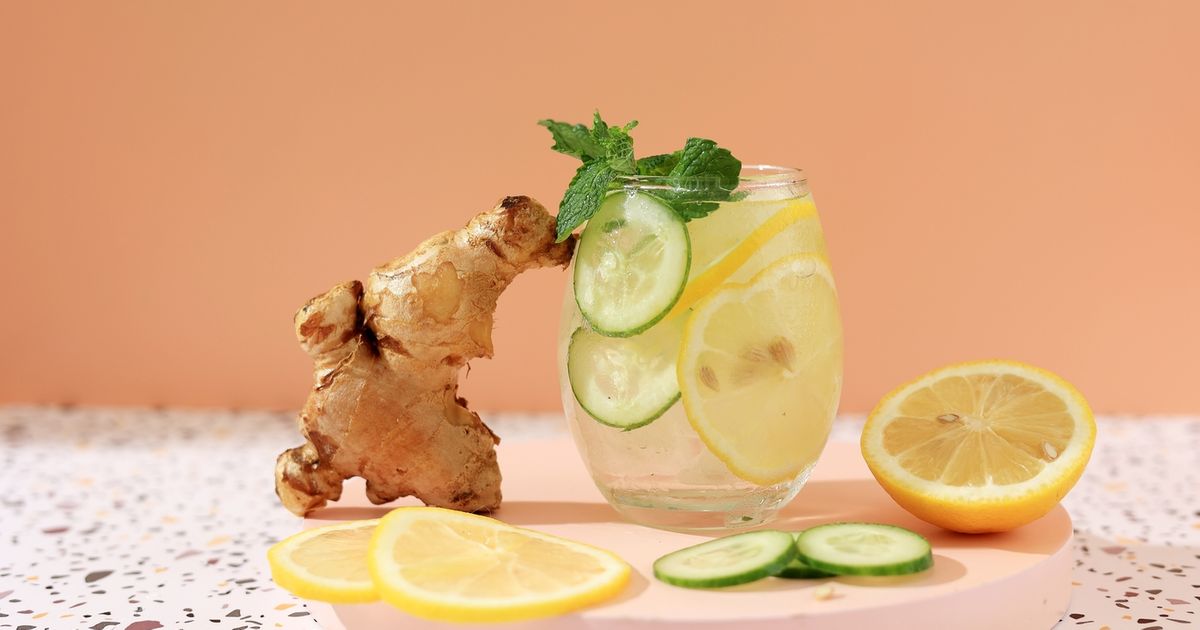
It doesn’t have to be a chore. Keep a bottle with you at work, flavour your water with a slice of lemon or cucumber, or build hydrating foods like melon, cucumbers, or leafy greens into your meals. The key is consistency.
And don’t forget—your hydration needs might go up if you’re exercising, spending time in hot weather, or feeling unwell. Being aware of these shifts can help you stay one step ahead.
Final thoughts
Water might not be trendy or glamorous, but it’s essential. Listening to your body, sipping regularly, and understanding your individual fluid needs can make a real difference in your energy, focus, and overall health.
So the next time you wonder if you’ve had enough to drink today, don’t wait for your mouth to go dry—top up your glass and give your body the steady support it deserves.