
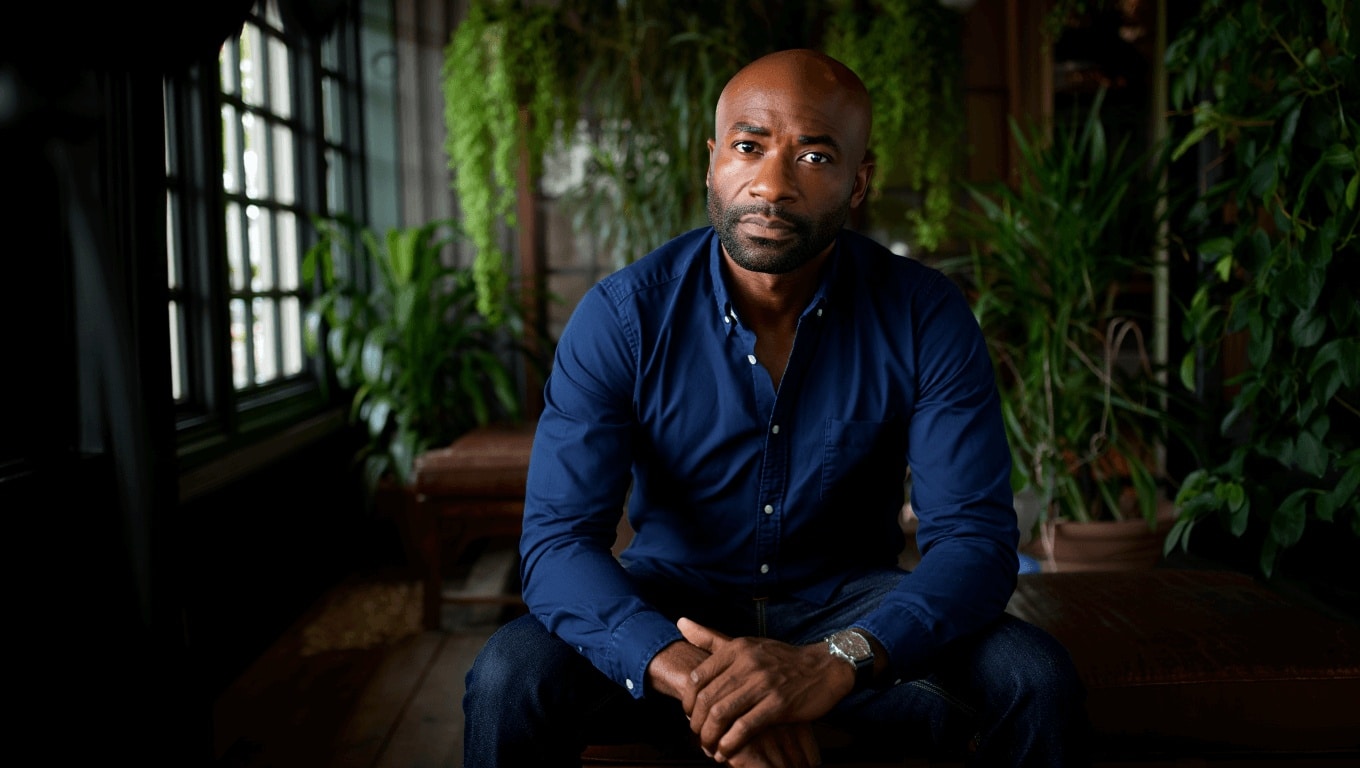
Taye Diggs has turned a deeply personal loss into a public conversation about grief, resilience, and purpose. The actor’s reflections on losing his parents to cancer have rippled through his work and advocacy, reshaping his priorities and the roles he chooses. In interviews and onstage, Diggs blends honesty with a quiet resolve, inviting fans and the public to witness how tragedy can lead to new meaning.
How grief entered the spotlight for Taye Diggs
For Diggs, grief did not stay private. He spoke openly about the emotional fallout of losing both parents to cancer, and how that loss altered his view of fame and success. The actor describes grief as a force that changed daily choices, relationships, and creative priorities.
- Public vulnerability: Diggs used interviews and social media to share his journey.
- Career choices: Roles that explore parenting, legacy, or mortality gained new weight.
- Priority shift: Time with family, mental health, and advocacy rose to the top.
When personal tragedy reshapes professional decisions
Diggs explains that losing his parents reframed the kinds of projects he accepts. Work that once meant prestige now competes with projects that reflect values, connection, and meaning.
Choosing roles with emotional depth
He gravitates to characters that offer nuance. Scenes about family and loss feel different now. They are not just performance; they are a way to process experience.
The practical side of change
- Scheduling shifts to preserve family time.
- Selecting scripts that allow him to be present off-camera.
- Using creative platforms to amplify health awareness.
Turning loss into advocacy and awareness
Beyond his work on screen and stage, Diggs has used his platform to raise awareness about cancer and support for caretakers. He speaks candidly about the gaps in conversations around terminal illness.
- Public education: Encouraging early screenings and open talk about symptoms.
- Support for caregivers: Highlighting emotional and logistics needs faced by families.
- Philanthropy: Lending time and visibility to related charities and campaigns.
How Diggs talks about healing and daily coping
He frames healing as non-linear. Diggs shares practical steps that helped him navigate grief. These are both personal routines and professional strategies.
- Therapy and counseling to process complex emotions.
- Rituals to honor memory, such as storytelling and music.
- Setting boundaries to protect emotional energy.
- Turning to close friends and family for daily support.
He stresses that what works for one person may not suit another. His message is to find a path that allows continued living while honoring those who are gone.
What fans and colleagues say about his openness
Peers and audiences respond to Diggs’ honesty with gratitude. Many say his candor normalizes grief in public life and encourages others to speak up.
- Fans share their own stories in response to his interviews.
- Colleagues praise his willingness to bring vulnerability to set.
- Advocates note the value of celebrities highlighting cancer awareness.
Lessons that echo beyond Hollywood
Diggs’ experience touches people outside the entertainment world. His reflections offer lessons on making choices after loss and finding purpose amid pain.
- Reprioritizing time over status.
- Using personal hardship to help others.
- Balancing public life with private mourning.
Practical advice he shares for those facing similar loss
When asked what helped most, Diggs lists accessible, compassionate steps. His guidance is simple and human.
- Allow yourself small, manageable routines each day.
- Seek professional care when grief feels overwhelming.
- Lean on a trusted circle for practical tasks and emotional support.
- Find a cause or outlet to channel your energy constructively.
Where loss has opened new creative doors
The actor has found that sorrow can expand creative depth. Projects now become chances to explore themes of legacy and reconciliation.
Art as therapy and testimony
Diggs treats certain roles like a conversation with memory. He uses performance to interrogate grief, not escape it.
Giving back through storytelling
By choosing stories that matter to him, he helps audiences confront difficult topics. This approach turns private pain into collective reflection.
Similar Posts:
- James Van Der Beek remembered: Paula Cole explains why she missed the Dawson’s Creek reunion
- Eric Dane dies on 20th anniversary of his Grey’s Anatomy debut as Mark Sloan
- Olivia Munn’s Genetic Battle: How Her Mom’s Breast Cancer Raises Awareness
- Darryl McDaniels of Run-DMC embraces sobriety: I’m not afraid to face myself
- James Van Der Beek on colorectal cancer: it’s harder than he expected
Cole is a passionate vegan dessert artist with a knack for turning indulgent classics into plant-based masterpieces. His sweet creations are where flavor meets conscious living.