
Repeating the same few meals each week could be a simple strategy to trim your waistline and ease daily food decisions. Nutrition experts and recent studies suggest that routine can cut calories, reduce snacking, and build lasting habits — all without complex meal plans or expensive foods.
How sticking to a routine can streamline weight loss
When meals are predictable, you spend less time deciding what to eat. That lowers decision fatigue and often leads to fewer impulsive choices. Repetition also helps you learn portion sizes and calorie totals by heart.
Consistent meals make it easier to track calories. That clarity can reveal where to shave portions or swap ingredients to reduce energy intake.
Behavioral advantages of repeated meals
- Reduced temptation from frequent menu changes.
- Faster grocery shopping and meal prep.
- Stable hunger cues as eating windows become routine.
What the research and experts are saying
Several small studies and nutritionists point to benefits of meal repetition for weight control. The evidence highlights better adherence and lower overall calorie intake among people who follow simple, repetitive menus.
Experts emphasize habit over perfection. Consistency often beats occasional strict dieting followed by lapses.
Key findings to note
- Repetition can reduce snack frequency and mindless eating.
- Fixed meals help people estimate calorie content more accurately.
- Some trials show modest weight loss when participants follow a limited set of meals.
How to adopt a repetition-friendly eating plan
Start by choosing two or three breakfasts, lunches, and dinners you enjoy. Make sure each meal contains protein, fiber, and healthy fats. That mix keeps you full longer and supports metabolic health.
Simple steps to begin
- Pick balanced meals that are easy to prepare.
- Rotate those meals across the week.
- Use portion control tools to keep quantities steady.
- Track food for a few weeks to learn true calorie intake.
Meal ideas that support calorie control
Choose options that are filling but not calorie-dense. Below are practical meal combos that work well for repetition-based plans.
- Breakfast: Greek yogurt, berries, and a sprinkle of nuts.
- Lunch: Grilled chicken salad with mixed greens and quinoa.
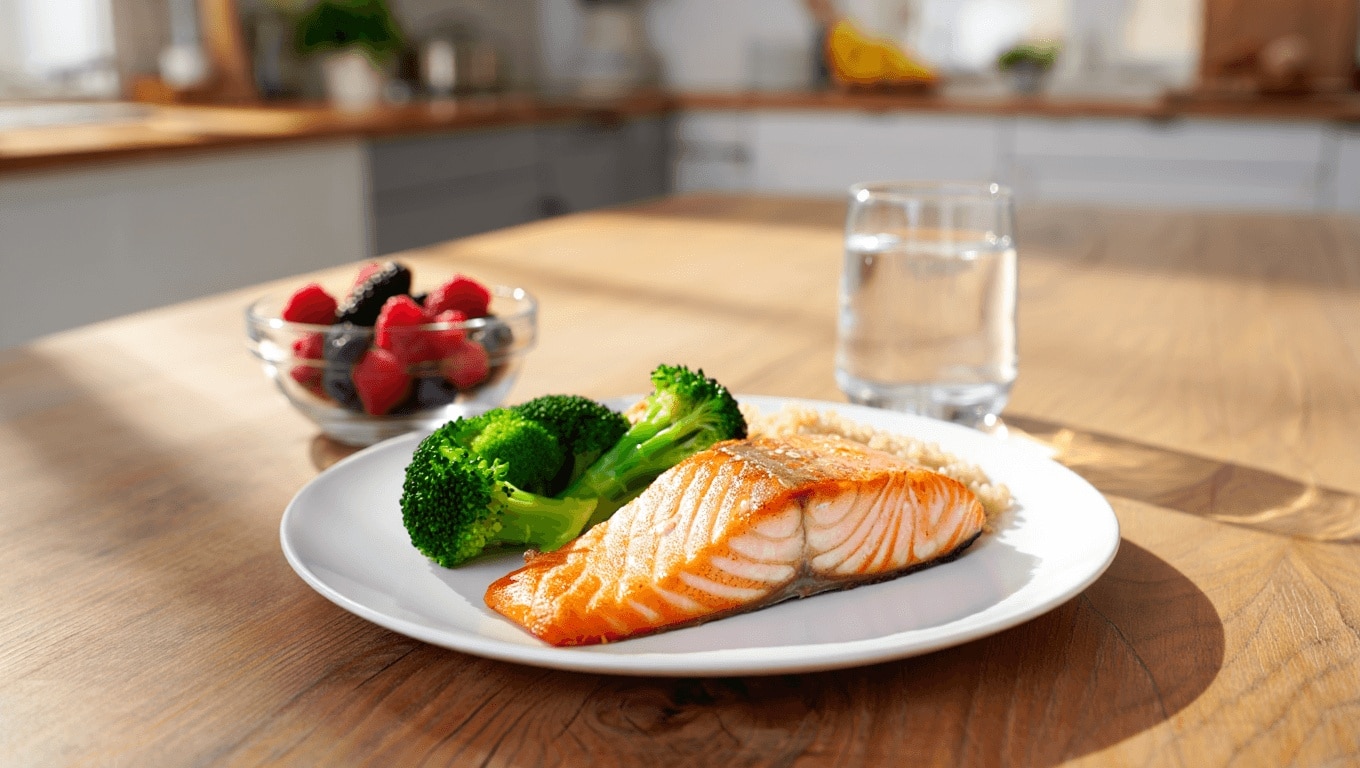
- Dinner: Baked salmon, roasted vegetables, and a small portion of brown rice.
- Snack: Apple slices with almond butter or a hard-boiled egg.
Potential pitfalls and how to avoid them
Eating the same foods can bore you or limit nutrients if you’re not careful. Variety across colors and food groups is still important for full nutrition.
Troubleshooting common issues
- Boredom: Rotate spices, sauces, and cooking methods.
- Nutrient gaps: Swap ingredients weekly to cover vitamins and minerals.
- Social challenges: Be flexible for special occasions to avoid isolation.
Who benefits most from repeated meals
People with busy schedules, those who struggle with decision fatigue, and individuals seeking consistent weight loss often gain the most. Athletes or people with special dietary needs may need more variety.
Repetition is a tool, not a rule. Tailor the approach to your lifestyle and health goals.
Tips to keep the plan sustainable
- Prepare meals in batches for the week.
- Log meals for accountability, at least initially.
- Allow one flexible meal per week to enjoy variety.
- Adjust portions gradually as you lose weight to maintain progress.
Similar Posts:
- TikTok’s 3-color rule: eating the rainbow can boost weight loss
- Alternate-day fasting: rapid 4-week weight loss but unexpected muscle loss
- Long-term weight loss: 3 foods to eat freely for lasting results, dietitian says
- 4 surprising Japanese habits that help you lose 9 kilos without dieting
- Why Japanese people eat rice three times a day and still stay slim

Cole is a passionate vegan dessert artist with a knack for turning indulgent classics into plant-based masterpieces. His sweet creations are where flavor meets conscious living.