
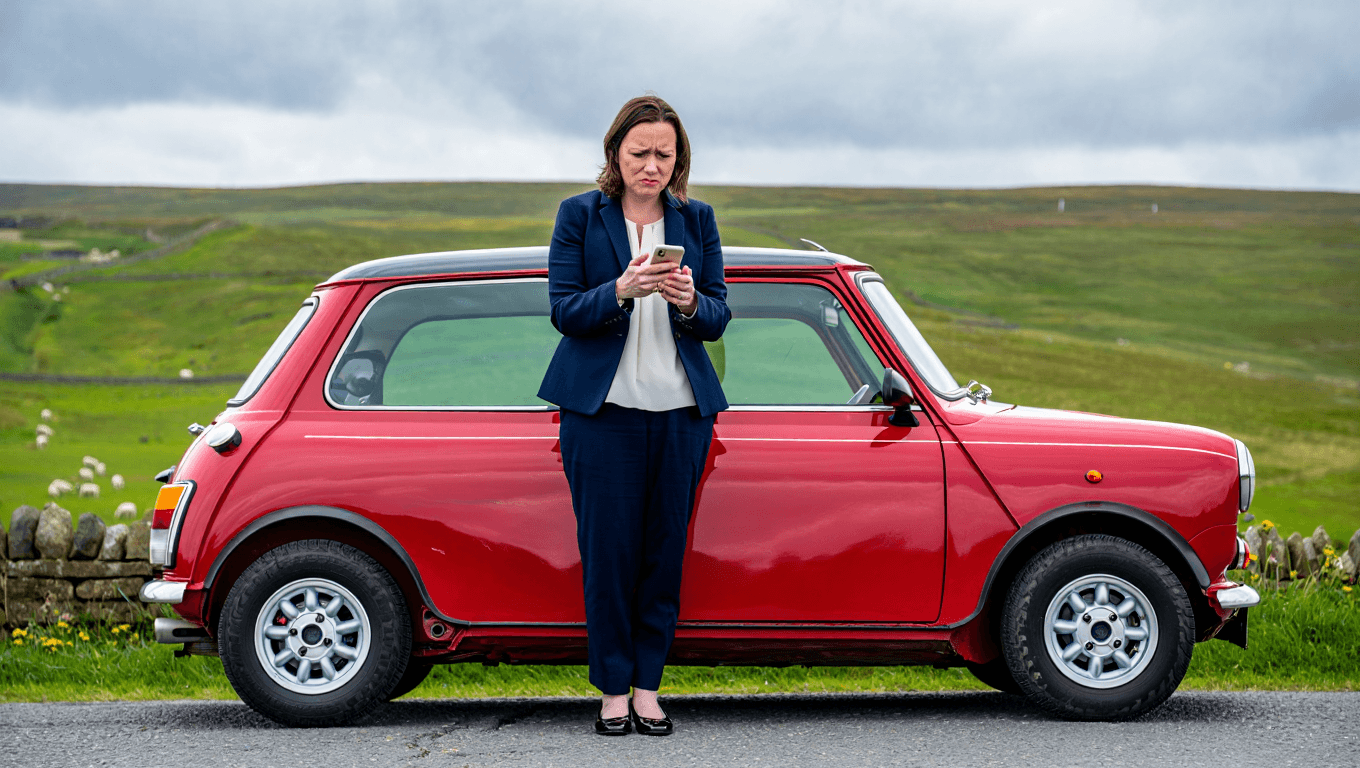
New analysis warns that a proposed pay-per-mile car tax could hit people living outside cities the hardest, as political plans move to charge electric and hybrid vehicles per mile from 2028. The change aims to replace lost fuel duty revenue, but fresh postcode-level data suggests a big gap in what drivers will pay across the UK.
How the pay-per-mile scheme would work for electric and hybrid cars
Under the proposals, the government plans to introduce a mileage-based charge for low and zero-emission vehicles.
Rates and estimated annual bills
- Electric cars are expected to be charged 3p per mile.
- Hybrid vehicles are likely to face about 1.5p per mile.
- Budget notes project an average annual bill of roughly £240 — about £20 a month for the average driver.
The levy, often referred to as eVED or Electric Vehicle Excise Duty, is pitched as a way to make up for falling fuel duty receipts.
Which areas would pay the most — big differences by postcode
Data broken down by local area shows major variations in the likely bill per driver.
- Some rural districts face average yearly costs near £247–£260.
- Central urban areas, including parts of London, could see charges closer to £79 per driver.
The disparity reflects trip lengths, access to amenities, and local transport networks. Rural households typically travel further for work and services, which pushes up their mileage totals.
Why rural drivers may be unfairly affected
Transport groups and industry bodies say a flat per-mile charge masks big social and geographic differences.
- People outside well-connected cities often rely on cars for essential trips.
- Public transport and active travel options are scarcer in many rural towns.
- Charging infrastructure is less dense in remote areas, increasing journey planning and costs.
Critics warn of an “EV postcode penalty”, where the poorest transport choices align with the highest bills. They argue the policy risks penalising those with few alternatives.
Industry reactions and public sentiment
Automotive trade groups, EV advocates and consumer advisers reacted strongly to the figures.
- Industry leaders said a uniform per-mile fee would hit those who must drive most.
- EV support groups flagged that remote areas have fewer chargers and longer trips.
- Consumer advisors called the charge another burden amid rising living costs.
A large poll of non-EV drivers found that more than half said a pay-per-mile charge would make them less likely to switch from petrol or diesel vehicles. The survey covered 13,000 drivers and reported that 55% would be deterred by mileage-based costs.
Policy context: revenue, fairness and next steps
Government documents say the mileage charge is intended to plug gaps in road funding as fuel duty income falls. Officials argue the move maintains fairness between petrol and electric car users.
But some experts question the timing and design. They want safeguards such as allowances for essential rural journeys or targeted exemptions to avoid disproportionate impacts.
Latest developments and wider transport debates
- Critics say the party behind the plan has made limited progress on road improvements despite new safety initiatives.
- The DVLA has faced scrutiny after legal action involving a bereaved motorist, prompting calls to review enforcement practices.
- There is growing public support for lower national speed limits as debate over road safety intensifies.
Similar Posts:
- Rachel Reeves slammed as fuel duty hike hits drivers: petrol and diesel face £800
- Electric car owners pocket £50 a month: petrol and diesel drivers hit by brutal oil shocks
- HMRC petrol and diesel rates, DVSA rules: driving law changes you missed in June
- Thousands of drivers exploit car tax loophole: huge blow for Rachel Reeves
- EV charging costs slashed: Octopus Energy unveils cheaper option for drivers without driveways

Naomi is a clean beauty expert passionate about science-driven skincare and natural remedies. She demystifies ingredients and shares routines that empower readers to glow — naturally.