

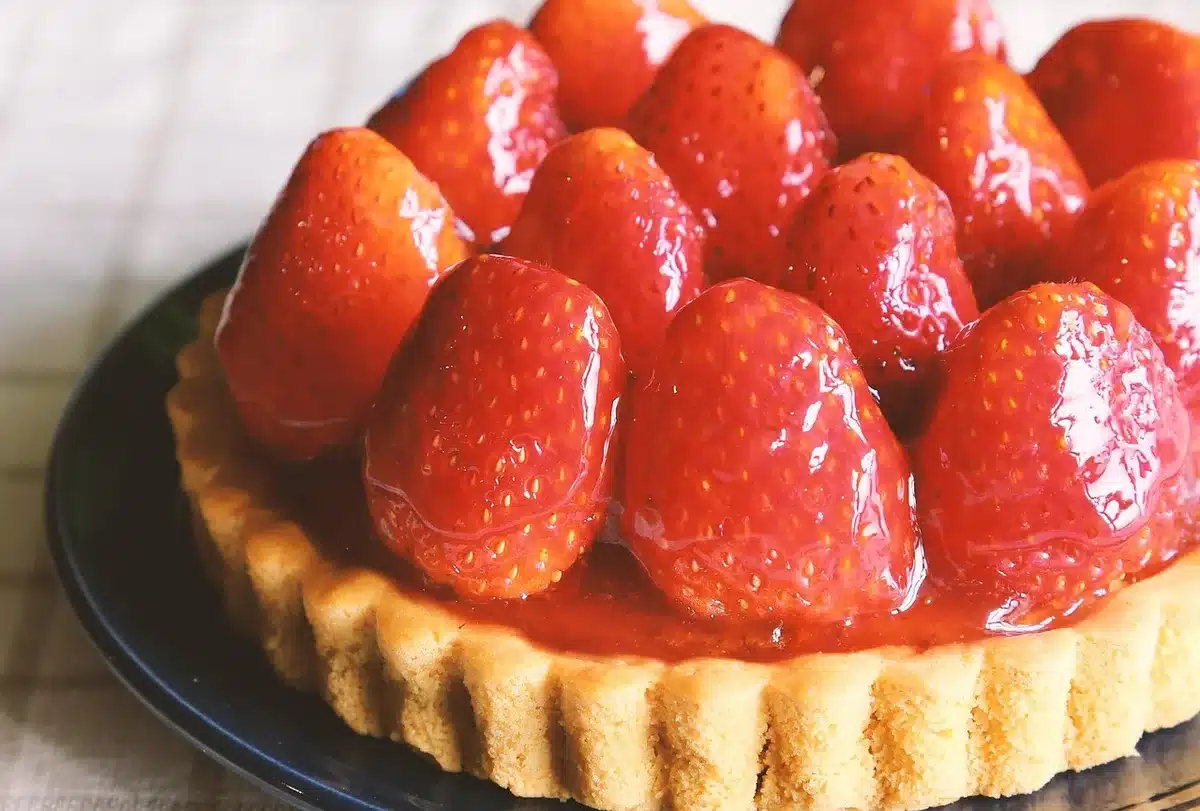
Bright, fragrant and deceptively simple, the orange tart is a timeless dessert that balances tangy citrus with buttery pastry. Whether you crave a glossy glazed tart for a dinner party or a rustic citrus galette for afternoon tea, this guide walks you through ingredients, technique and creative twists to make a memorable orange tart at home.
Essential ingredients for a classic orange tart
- Fresh oranges — choose sweet varieties like navel or blood oranges.
- All-purpose flour for a tender crust.
- Cold unsalted butter for flakiness.
- Eggs to bind and enrich the filling and crust.
- Sugar, both granulated and optional powdered for dusting or glaze.
- Heavy cream or crème fraîche for a silky custard texture.
- Optional orange zest and juice to amplify citrus flavor.
- Pectin or cornstarch for a slightly firmer filling, if desired.

Tools and prep that save time
- Tart pan with removable bottom for easy release.
- Rolling pin and plastic wrap to chill the dough.
- Fine grater for zesting.
- Small saucepan for making curd or glaze.
- Kitchen thermometer to check custard temperature.
Step-by-step: make a perfect orange tart
1. Make the pastry
Combine flour and a pinch of salt. Cut cold butter into cubes and rub until coarse crumbs form. Add cold egg and a tablespoon of ice water. Press into a disk, wrap and chill at least 30 minutes.
2. Blind bake the shell
Roll dough and fit into the tart pan. Prick the base and line with parchment. Fill with pie weights or beans. Bake at 180°C (350°F) until edges are golden. Blind baking prevents sogginess.
3. Prepare the orange filling
For a curd-style filling, whisk eggs, sugar, orange juice and zest. Cook gently over low heat until thickened. Stir in butter off heat for sheen. For a custard tart, combine cream, eggs, sugar and orange zest and bake until set.
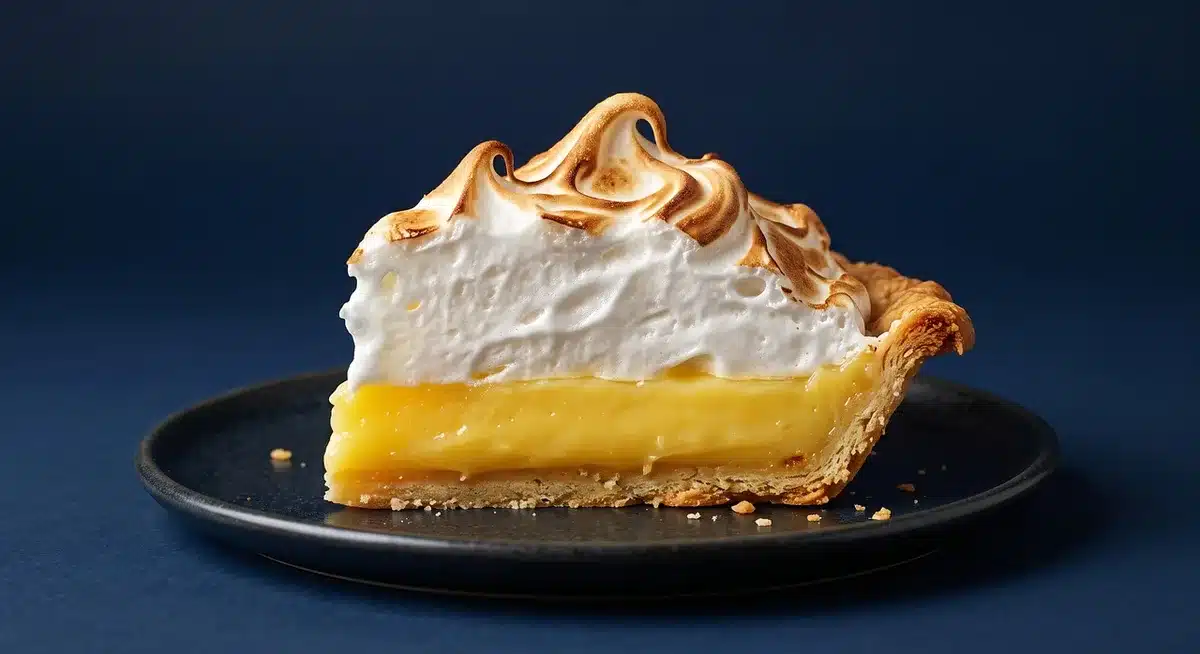
4. Assemble and finish
Pour filling into the cooled shell. Bake a few minutes more if needed. Cool on a rack, then chill to fully set. Glaze with warm apricot jam thinned with orange juice for a glossy finish.
Pro tips for texture and flavor
- Use whole-zest sparingly: it adds aroma without bitterness when finely grated.
- Keep butter cold to ensure a flaky crust.
- Strain curd to remove cooked egg strands for a smooth result.
- Blind bake long enough so the crust stays crisp under the wet filling.
- Balance sweetness with a splash of lemon juice if oranges are very sweet.
Creative variations to try
- Orange-almond: add ground almonds to the crust or filling for a nutty depth.
- Chocolate-orange: layer a thin ganache between crust and curd.
- Spiced citrus: fold in a pinch of cardamom or cinnamon to the filling.
- Caramelized orange slices: top the tart with pan-seared orange rounds for drama.
- Mini tarts: make individual portions for elegant service.
Serving suggestions and storage tips
- Serve chilled or at room temperature with a dollop of crème fraîche.
- Garnish with candied orange zest or toasted almonds for texture.
- Store refrigerated for up to 3 days; cover to prevent moisture loss.
- Freeze the baked shell if you want a quick assembly later.
Why the orange tart endures: a brief culinary perspective
Orange tarts pair bright acidity with rich pastry, creating a contrast that appeals across cuisines. They are adaptable, forgiving and ideal for seasonal produce. That balance of tart and sweet keeps this dessert a favorite for home cooks and pastry chefs alike.
Similar Posts:
- Orange custard cake: secret tips for a silky, zesty showstopper
- Lemon tart recipe: quick zesty dessert with irresistible buttery crust
- Luscious Lemon Meringue Pie: Master the Perfect Citrus Dessert!
- Indulge in Summer: Orange Creamsicle Cheesecake Bars Recipe!
- Panettone with two creams: Italians’ secret recipe to stun everyone at Christmas