
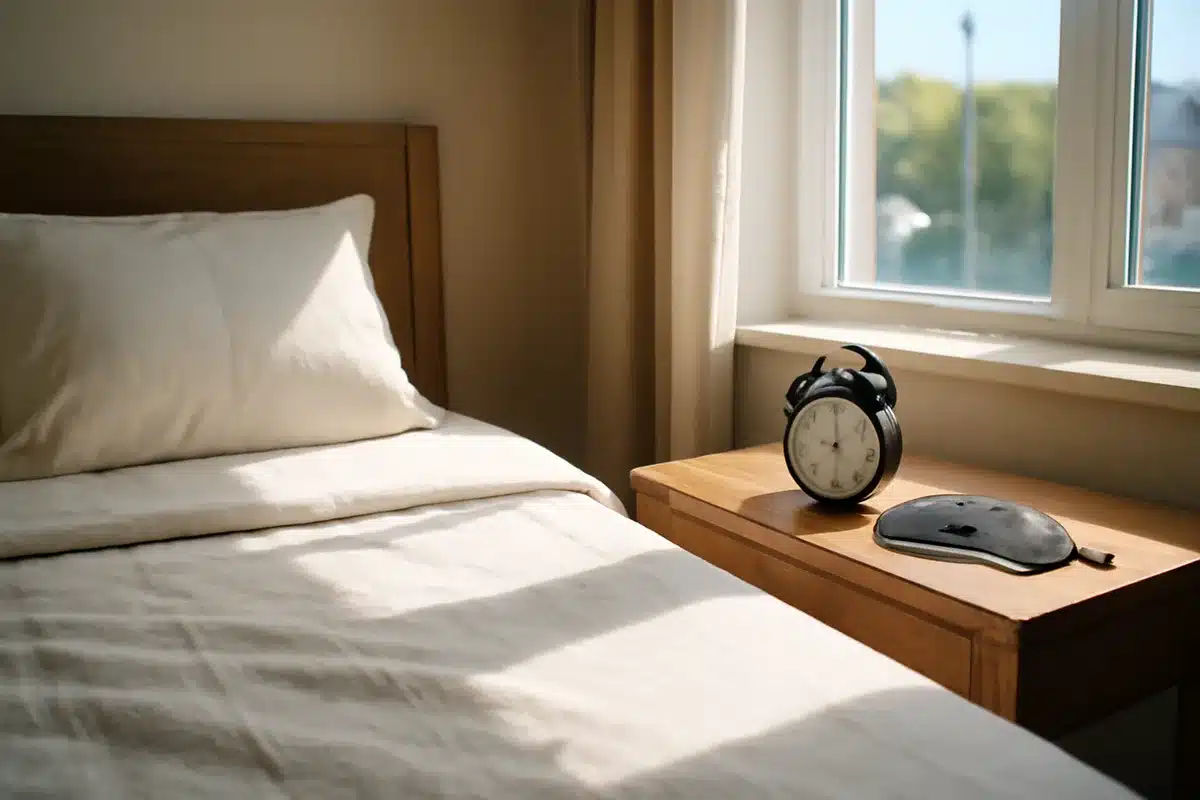
New evidence suggests that even dim light in the bedroom can do more than interrupt sleep. Researchers now link low-level nighttime illumination to higher risks of heart conditions, including heart failure and atrial fibrillation. The finding raises fresh concerns about how modern lighting and bedroom habits may quietly shape cardiovascular health.
Study findings: dim light at night and increased heart risk
Recent population studies tracked adults over several years to examine how light during sleep affects heart outcomes. Scientists measured ambient bedroom light and compared it to heart health over time. They found that participants exposed to low but persistent light while sleeping were more likely to develop heart failure and irregular heart rhythms.
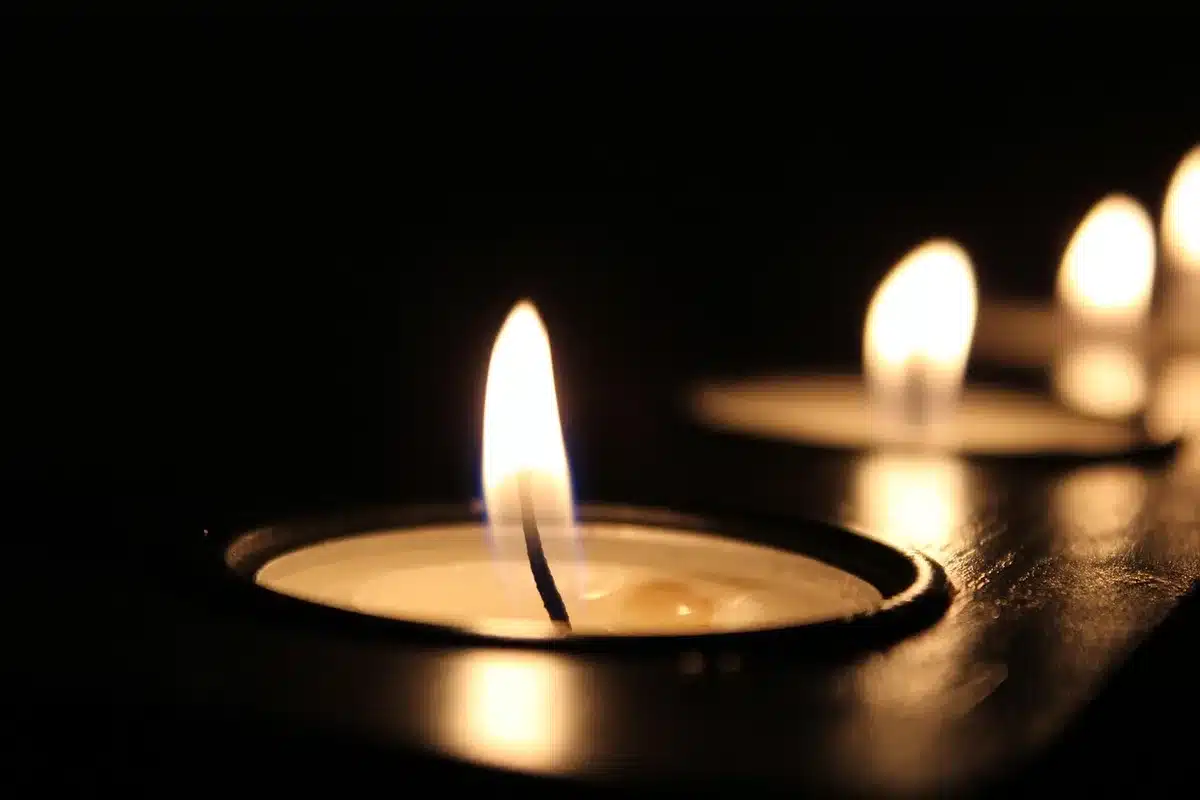
Even low levels of light during sleep were associated with measurable increases in risk. The association persisted after accounting for age, lifestyle, and known health conditions.
How nighttime light may harm the cardiovascular system
Researchers propose several biological pathways that link light at night to heart disease. The most discussed mechanisms include:
- Disruption of the circadian rhythm, which is critical for cardiovascular regulation.
- Reduced melatonin production, affecting blood pressure and inflammation.
- Increased sympathetic nervous activity, leading to higher heart rate.
- Metabolic changes that raise the risk of obesity and diabetes.
These changes can combine to increase strain on the heart and the chance of developing arrhythmias like atrial fibrillation.
Who should pay close attention to bedroom lighting
Certain groups may be more vulnerable to the effects of nighttime light. Consider extra caution if you are:
- Older adults, who often have weaker circadian signals.
- People with existing heart disease or a history of AFib.
- Shift workers or those with irregular sleep schedules.
- Individuals with sleep disorders, such as sleep apnea.
Small environmental changes can matter more for these groups. Clinicians may increasingly ask patients about bedroom light as part of cardiovascular risk assessment.
Simple ways to reduce light exposure while you sleep
Practical steps can lower the amount of light that reaches you at night. Try these measures to protect your sleep and your heart:
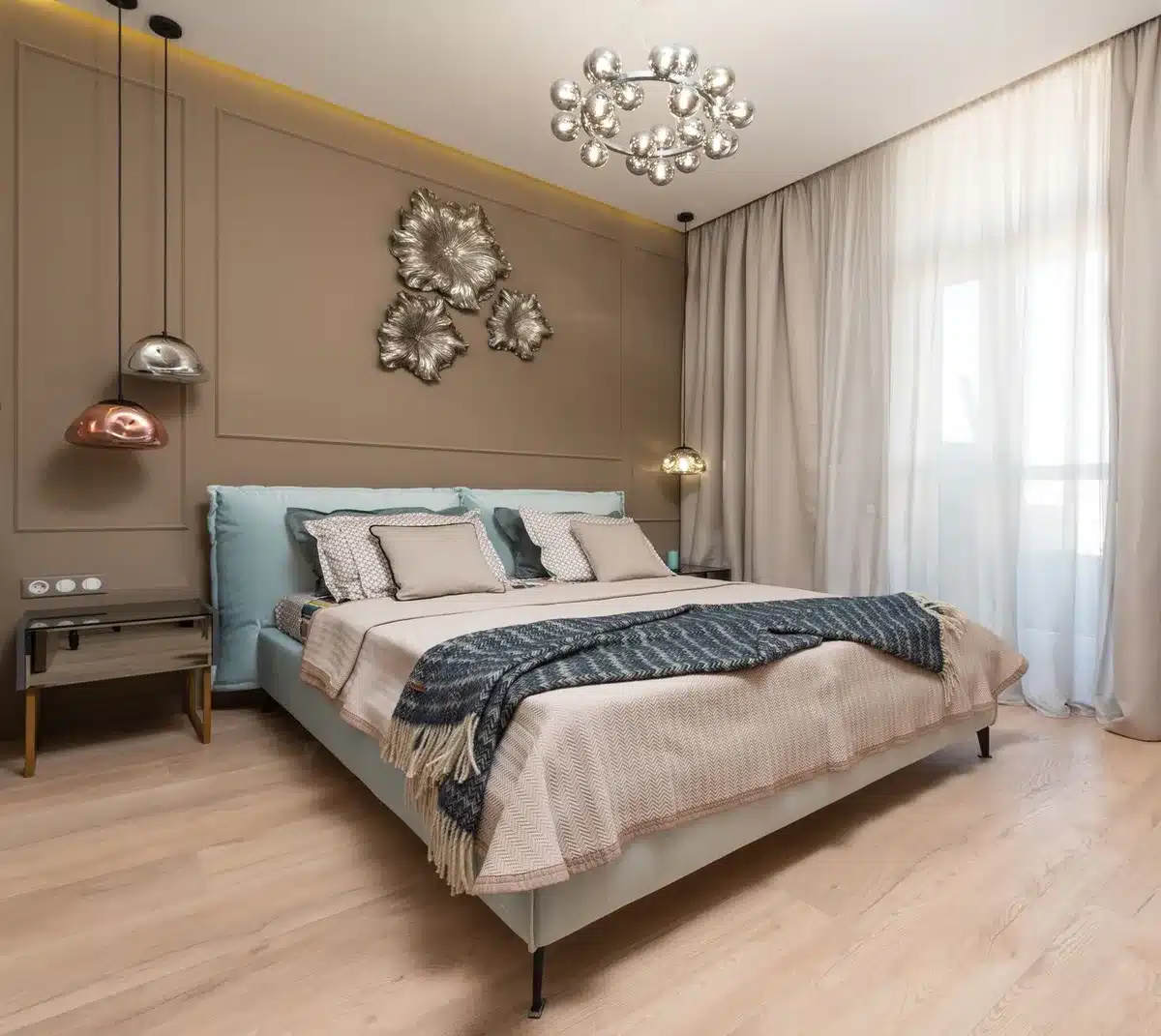
- Install blackout curtains or blinds to block streetlight.
- Turn off or cover electronic devices with glowing displays.
- Use a sleep mask for complete darkness when needed.
- Switch night-lights to very low red or amber hues.
- Dim or disable LEDs on alarm clocks and charging stations.
- Consider smart bulbs that can be scheduled to dim overnight.
Even modest reductions in nighttime light may help restore healthier sleep patterns and lower cardiovascular strain.
Clinical implications and next research steps
These results prompt several clinical and public-health questions. Doctors might begin to include bedroom lighting in routine lifestyle counseling. Public health campaigns could recommend darker sleeping environments.
What researchers want to learn next
- Whether reducing light exposure lowers risk in randomized trials.
- How different light wavelengths affect heart rhythm and recovery.
- Optimal thresholds of light exposure for safe sleep environments.
Further research will help turn observational links into clear guidelines.
Behavioral tips for better sleep and heart health
Combining light control with good sleep habits can strengthen results. Experts suggest:
- Keep a consistent sleep schedule, even on weekends.
- Limit screen time in the hour before bedtime.
- Maintain a cool, quiet, and dark bedroom environment.
- Discuss any sleep disturbances with your healthcare provider.
Improving sleep conditions is a simple, low-cost strategy that may yield cardiovascular benefits beyond better rest.
Similar Posts:
- Sleeping in total darkness boosts heart health: the surprising science
- Melatonin linked to higher heart failure risk: study finds
- Cannabis Danger: Study Reveals Doubling in Cardiovascular Death Risk!
- Coffee may protect against AFib: study challenges advice to avoid it
- Short afternoon nap may boost brain health and sharpen learning

Cole is a passionate vegan dessert artist with a knack for turning indulgent classics into plant-based masterpieces. His sweet creations are where flavor meets conscious living.