
New research suggests that adding a ripe avocado to your daily plate could do more than brighten salads. Scientists found links between regular avocado consumption and improvements in cholesterol profiles and cardiovascular risk markers. The findings add to a growing body of diet-focused evidence that points to simple swaps for heart protection.
What the study examined and who conducted it
Study design and participants
Researchers analyzed data from a large cohort trial spanning several years. Adults with varying baseline heart risk took part. The team tracked dietary habits, health outcomes, and biomarkers.
Primary outcomes measured
- Blood lipid levels, including LDL and HDL cholesterol.
- Markers of inflammation linked to cardiovascular disease.
- Incidence of heart events recorded over follow-up.
Key findings: Avocados and heart health
The data showed that individuals who ate about one avocado a day had better lipid profiles than non-eaters. In particular, LDL cholesterol was notably lower. HDL levels remained stable or slightly improved.
Participants also showed modest reductions in markers tied to arterial inflammation. While the study did not prove cause and effect, the associations were consistent across age groups and genders.
Why avocados may help the heart
Nutrition scientists point to several components in avocados that could explain the benefits.
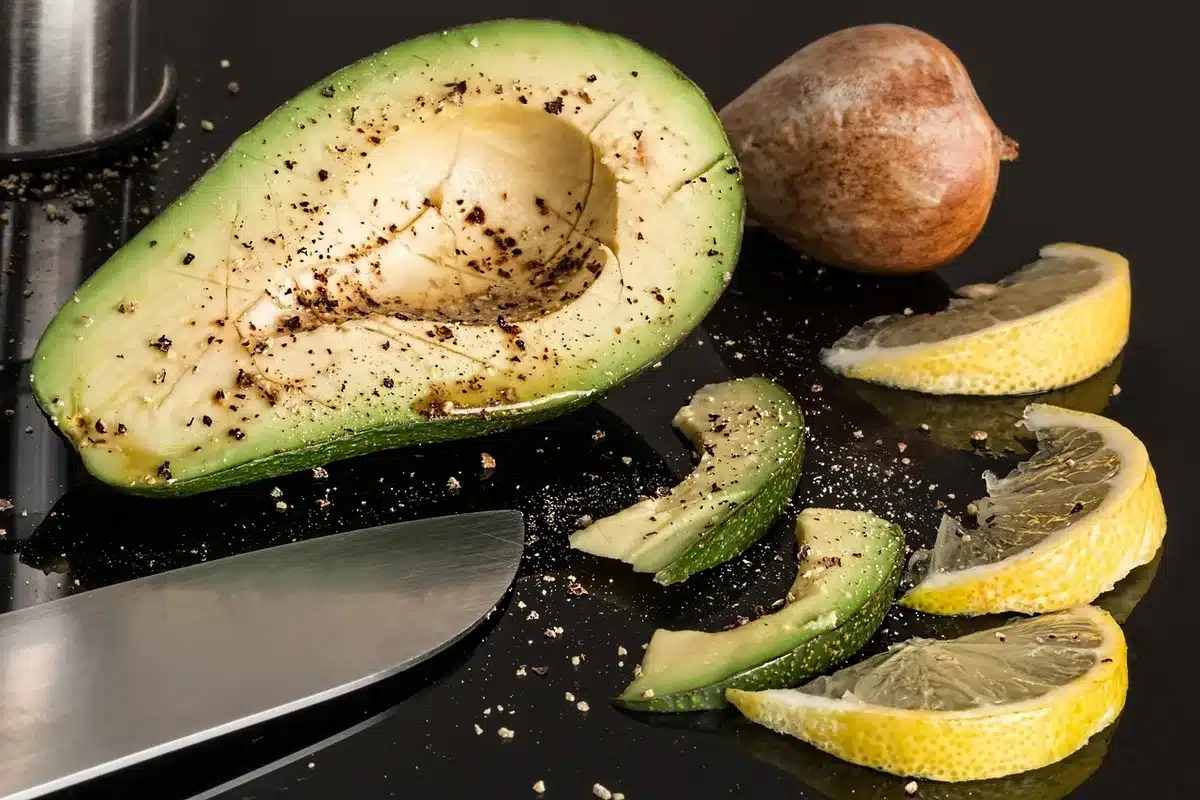
- Monounsaturated fats: These fats help lower harmful LDL cholesterol.
- Dietary fiber, which supports healthy blood lipids and digestion.
- Potassium and antioxidants, which reduce blood pressure and oxidative stress.
Replacing foods high in saturated fat with avocado may be an important mechanism. The swap often reduces overall harmful fat intake without removing calories.
How the results fit current dietary guidance
Health authorities already recommend diets rich in unsaturated fats and plant foods. This study reinforces that guidance.
Experts say avocados can fit into Mediterranean-style or DASH dietary patterns. Those plans have repeatedly been linked to lower cardiovascular risk.
Practical ways to include avocados
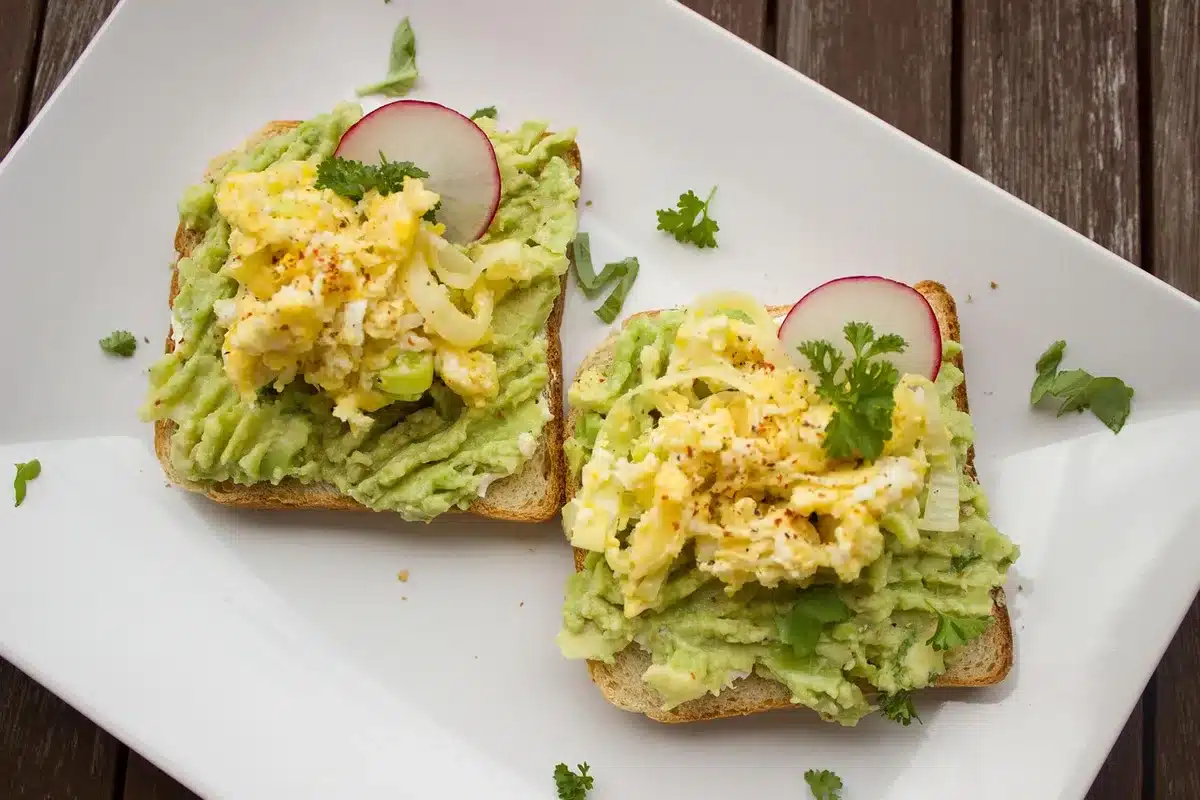
- Spread mashed avocado on whole-grain toast instead of butter.
- Add slices to salads, sandwiches, or grain bowls.
- Use avocado as a creamy base for dressings and dips.
What the research does not prove
While promising, the findings are observational in nature. That means they show an association, not definitive proof that avocados alone prevent heart disease.
- Other healthy behaviors may have influenced outcomes.
- Participants who ate avocados often had higher overall diet quality.
- Long-term randomized trials are needed to confirm causation.
Expert reactions and context
Cardiologists and nutritionists welcomed the study as supportive evidence for plant-forward eating. They emphasized balance and portion control.
Some experts warned against overestimating benefits. Avocados are calorie-dense. Without mindful portions, they can add excess calories.
Who should be cautious
People managing weight or certain medical conditions should consider overall calorie intake. Those with specific allergies must also avoid avocados.
- Consult a healthcare provider for personalized advice.
- Monitor portions: roughly one avocado per day was the study’s reference point.
- Combine avocados with a varied, nutrient-dense diet.
Next steps for research and public health
Scientists plan controlled trials to test causality and optimal serving sizes. Public health messaging may shift to emphasize smart food swaps.
Meanwhile, incorporating avocados can be a practical move within broader heart-healthy habits. Still, single foods are not magic bullets against cardiovascular disease.
Similar Posts:
- Avocado and mango: daily servings may lower blood pressure in prediabetes
- Diabetes, hypertension and obesity: avocado a day could slash risk
- This everyday food can actually reduce belly fat, according to science
- Mediterranean diet may cut women’s stroke risk, study shows
- New Study Reveals: Women’s Heart Health More Sensitive to Lifestyle Choices Than Men’s

Cole is a passionate vegan dessert artist with a knack for turning indulgent classics into plant-based masterpieces. His sweet creations are where flavor meets conscious living.