

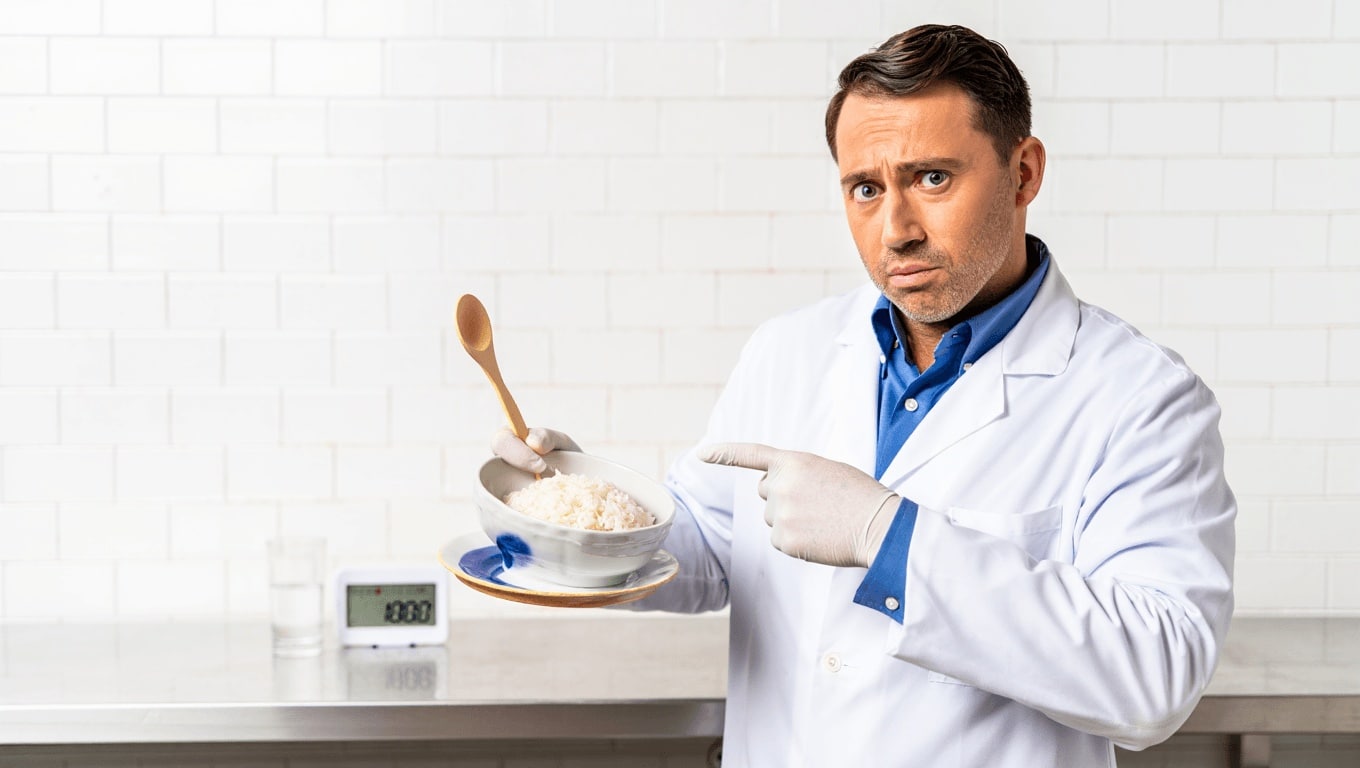
Rice is a staple on plates around the world, but a simple leftover can hide a hidden threat. When cooked rice cools the wrong way, heat-resistant spores can wake up and multiply. Read on for doctor-approved tips to keep your rice safe and delicious.
Why cooked rice can become dangerous: the science in plain words
Rice grows in wet, warm fields. Those conditions favor certain bacteria. One in particular, Bacillus cereus, is responsible for many rice-linked food poisonings.
How the bacteria survive cooking
Cooking destroys active bacteria, but not all threats. These microbes form spores that resist boiling. After cooking, spores can awaken and produce toxins.
Cooling and bacterial growth
As rice cools at room temperature, it can enter a danger zone where bacteria multiply fast. Leaving rice out for hours gives spores time to turn into active bacteria.
Simple, effective rules to store leftover rice safely
Follow a few clear steps to prevent spores from becoming a problem. These habits are easy and quick at home.
- Rinse raw rice: Washing rice removes surface starch and some contaminants. Rinse until the water runs clear.
- Cook only what you need: Plan portions to avoid leftovers. About 70 g of uncooked rice per person is a helpful guide for a side dish.
- Cool fast: Transfer hot rice to shallow containers to speed cooling. Do not leave it on the counter for long periods.
- Refrigerate promptly: Put rice in the fridge within two hours of cooking. The faster it cools, the lower the risk.
- Limit storage time: Eat refrigerated rice within 24 hours. Longer storage increases the chance of unsafe bacterial growth.
- Reheat thoroughly: When reheating, heat rice until it is steaming hot throughout. Only reheat once.
Quick tips for everyday kitchen habits
Small routines protect against foodborne illness. Make them part of your cooking rhythm.
- Use shallow containers so rice cools evenly.
- Label containers with the date to track freshness.
- Avoid letting children or pets access warm rice left out.
- If rice smells off or has an unusual texture, discard it.
What to do if you suspect food poisoning from rice
Symptoms from Bacillus cereus can include vomiting and diarrhea. They often appear within hours.
- Stay hydrated with clear fluids.
- Seek medical help if symptoms are severe or prolonged.
- Keep leftover rice samples only if requested by health services.
Similar Posts:
- Leftover rice hack: turn fridge scraps into a quick, ultra-gourmet dinner
- Summer body-ready healthy salad: turn the tasty crousty into a light recipe
- Eggs: the bad habit that increases the risk of bacteria growth
- Infant formula linked to 36 poisonings in UK: UKHSA launches urgent probe
- Irresistible Dessert Alert: Discover François-Régis Gaudry’s Easy-to-Make Delight!