
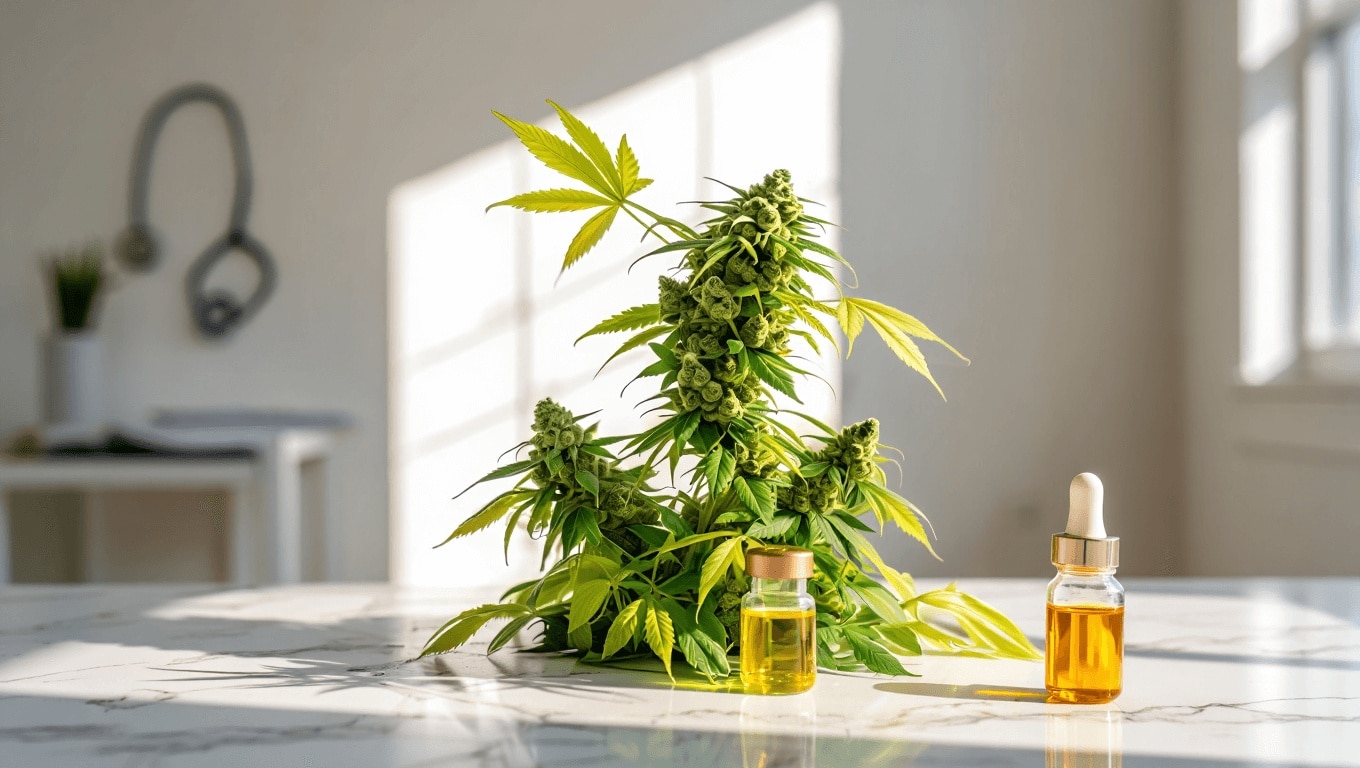
Cannabis regulation is entering a new phase as governments and health experts push for clearer dosing norms. With legalization spreading, ambiguity about how much THC equals a single dose has created confusion for consumers, clinicians, and policymakers. Debate now centers on whether the cannabis world needs a standard unit similar to the alcohol “standard drink.”
Why a standard cannabis unit is gaining urgency
Public health systems rely on simple measures. Alcohol has the “standard drink” to guide limits and research. Cannabis lacks a universal equivalent, complicating harm reduction and clinical advice.
- Consumer safety: Shoppers struggle to compare products with different potencies and forms.
- Research consistency: Scientists need a common metric to track consumption and outcomes across studies.
- Policy clarity: Regulators require benchmarks to set limits and label products effectively.
What experts propose as a workable standard
Proposals vary, but many specialists favor a THC-based unit. Framing a standard around THC content offers a measurable approach across flowers, oils, and edibles.
Common suggestion: milligrams of THC
Several public health groups recommend defining a single unit as a set milligram amount of THC. This mirrors how alcohol uses volume and percent.
- Suggested amounts range from 2.5 mg to 10 mg of THC per unit.
- Lower units aim to protect novice users and reduce acute harm.
- Higher units may better reflect tolerance among regular users.
Why THC, not product weight?
THC content directly influences intoxication. Weight alone does not account for potency variations across strains or extracts.
Major barriers to one-size-fits-all dosing
Defining a universal cannabis unit faces scientific and practical hurdles. The plant’s complexity and how people use it make a simple solution elusive.
- Variable bioavailability: Smoking, vaping, and ingestion produce different THC absorption.
- Combined cannabinoids: CBD and minor cannabinoids modify THC’s effects.
- User tolerance: Prior exposure changes subjective and physiological responses.
- Product diversity: Concentrates and edibles differ vastly from dried flower.
How labels and rules might evolve with a standard unit
Standardization would reshape packaging, public education, and legal frameworks. Clear unit labeling could become mandatory in regulated markets.
- Labels could display units per package and per serving.
- Retailers might need to educate staff on unit conversion across forms.
- Guidelines for responsible use could mirror alcohol-based public health campaigns.
Examples of labeling approaches
Countries already exploring limits provide templates. They often use mg of THC per serving and per container. Packaging strategies include:
- Serving-based labels for edibles.
- Unit counts for cartridges and concentrates.
- Comparison charts linking grams of flower to standard units.
Research and surveillance benefits from a shared metric
Standard units would improve data quality across studies. Epidemiologists and clinicians could compare usage patterns more reliably.
- Better dose-response estimates for mental health outcomes.
- Clearer tracking of population-level consumption trends.
- Consistent measures for intervention studies and clinical trials.
Consumer guidance in a nonstandard marketplace
Until a universal unit is adopted, practical tips help users make safer choices. Experts encourage conservative dosing and education.
- Start with a low THC amount and wait before taking more.
- Prefer low-dose products when trying a new form.
- Understand the difference between onset times for smoking and edibles.
- Look for labels that state exact milligrams of THC per serving.
Policy trade-offs and equity concerns
Policymakers must balance public health goals with industry realities. Rules that are too strict could push sales back to illicit markets.
- Smaller standard units protect beginners but may frustrate regular users.
- Strict labeling demands could raise costs for small producers.
- Education campaigns must reach communities most affected by past drug policies.
Where the debate is heading
Momentum is building toward a common unit, but consensus is not yet reached. Ongoing pilot programs and cross-jurisdictional studies will shape the final model.
Researchers, regulators, and industry leaders agree on one point: clarity benefits everyone. The form that clarity takes is still under negotiation.
Similar Posts:
- The Science and Safety of THC Edibles: What Home Cooks Should Know
- Heavy cannabis use linked to severe vomiting: ER visits jump fivefold
- Cannabis may curb alcohol use: study finds smokers drink less
- Cannabis Alert: Chronic Use Linked to Vascular Damage, Including Edibles
- Cannabis Danger: Study Reveals Doubling in Cardiovascular Death Risk!

Cole is a passionate vegan dessert artist with a knack for turning indulgent classics into plant-based masterpieces. His sweet creations are where flavor meets conscious living.