
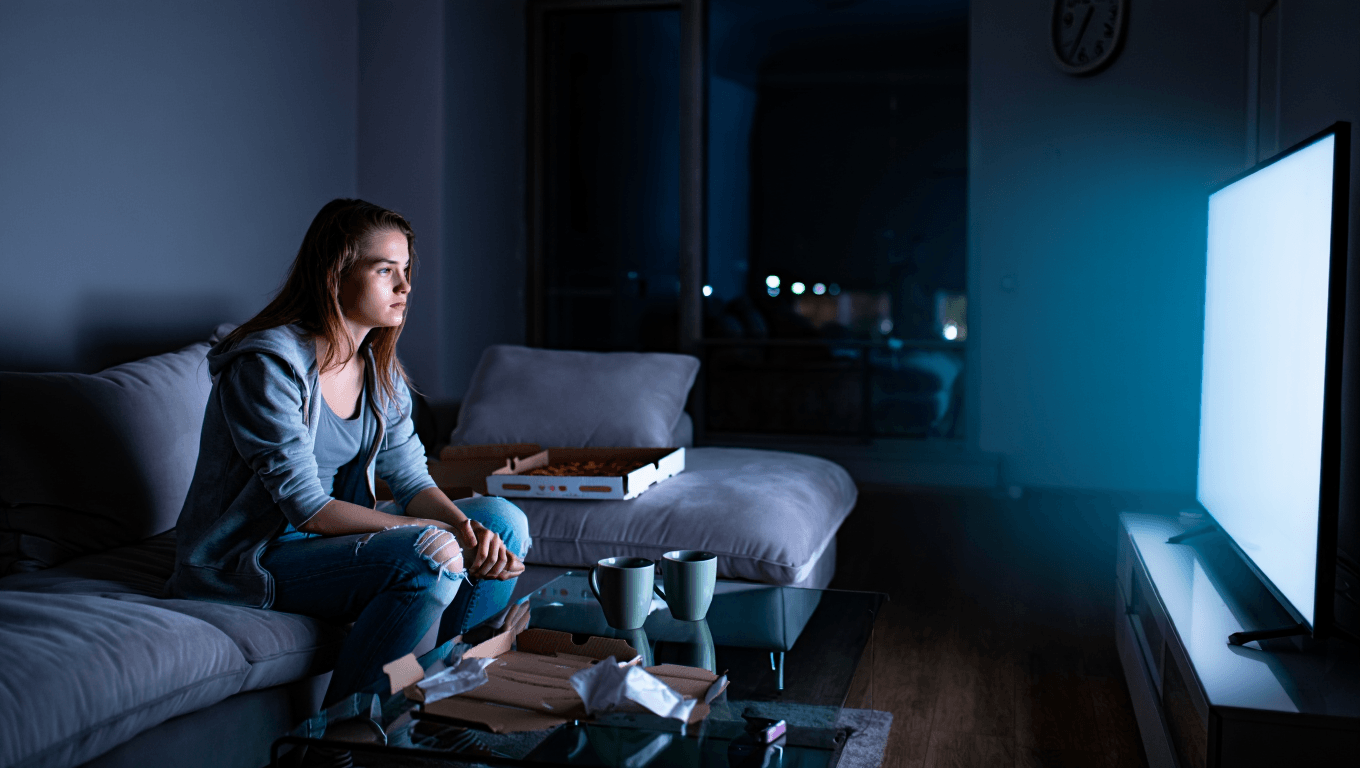
Late-night marathons on streaming platforms are now a common ritual. As episodes stack and seasons vanish into single sittings, researchers and users alike are asking a pressing question: can frequent binge-watching deepen feelings of isolation? New evidence suggests the answer is complicated, but worrying for many viewers.
Why endless episodes often pair with loneliness
People turn to long viewing sessions for many reasons. Some want to escape stress. Others follow hot cultural moments. But when watching becomes the primary way to spend free time, it can replace social contact.
- Time displacement: Hours spent streaming are hours not spent with friends or family.
- Emotional substitution: Characters and storylines can feel like company, but they do not provide real social support.
- Sleep disruption: Late binges harm rest, which in turn worsens mood and reduces sociability.
What research reveals about screen habits and social life
Multiple studies link heavy streaming to higher reports of loneliness and reduced life satisfaction. The relationship is not simple cause and effect. Still, patterns emerge.
- Viewers who binge more often tend to report fewer face-to-face interactions.
- People using shows to cope with negative emotions are at greater risk for persistent loneliness.
- Young adults show the strongest correlation between bingeing and social withdrawal.
Researchers warn that frequent binge-watching can become a coping loop: loneliness drives viewing, and viewing can increase isolation.
How binge habits alter brain and behavior
Long viewing sessions stimulate reward centers in the brain. Each “next episode” triggers dopamine and keeps people clicking. Over time, that reward loop can reduce motivation for social activities.
Emotional regulation and avoidance
Using television to numb anxiety or sadness provides quick relief. But that relief is temporary. Avoiding real-world conversations prevents emotional growth and strains existing relationships.
Cognitive effects and attention
Extended streaming can shorten attention spans. This change makes in-person interactions feel more demanding. The result: fewer social invitations accepted and a shrinking social circle.
Signs your viewing may be harming your social life
- You often cancel plans to finish a season.
- You watch to avoid feelings rather than for enjoyment.
- You feel drained after long viewing sessions and less inclined to connect.
- You prefer fictional characters to real relationships.
Spotting these signs early helps prevent a deeper slide into isolation.
Practical ways to reduce binge-driven loneliness
Small changes can restore balance between screens and social life. These strategies work whether you’re a casual viewer or a serial binge-watcher.
- Set episode limits and use automatic timers on your device.
- Schedule non-screen activities after viewing, like a walk or a call.
- Create shared viewing rituals with friends to turn solo watching into social time.
- Replace one binge night per week with an in-person meet-up.
- Be mindful: ask why you want to watch before starting a session.
Changing small habits often leads to meaningful improvements in mood and social engagement.
How platforms and creators shape viewer behavior
Streaming services design features to maximize viewing time. Auto-play, personalized queues, and algorithmic recommendations push viewers toward longer sessions.
- Auto-play reduces the friction of stopping.
- Tailored suggestions keep users engaged with familiar patterns.
- Social features, like watch parties, can help but are underused.
Some platforms have begun testing tools to promote healthier viewing. Options include gentle reminders to take breaks and easier ways to share viewing with friends.
When to seek professional help
If binge-watching coincides with persistent loneliness, anxiety, or depression, a mental health professional can help. Therapists can teach healthier coping skills and rebuild social connections.
- Consider therapy if you use watching to avoid feelings regularly.
- Seek help when relationships suffer or work performance declines.
- Support groups and community activities offer nonclinical paths back to social life.
Ways communities can respond to rising isolation
Local organizations and public health initiatives can counter isolation trends tied to heavy screen time. Promoting accessible social programming is one effective approach.
- Community centers can host viewing nights that encourage discussion.
- Universities and workplaces can offer digital-wellness workshops.
- Cultural events can turn passive consumption into active participation.
Collective action can make a difference where individual choices struggle against platform design.
Similar Posts:
- Binge-watching now could rewire your brain later
- Bobby Flay and daughter Sophie: sweetest photos that’ll melt hearts
- Eric Dane dies at 53: Grey’s Anatomy and Euphoria star had ALS
- Tesco Christmas advert rated 10/10 by Britons: can it claim top spot?
- Super Bowl ad: Octavia Spencer and Sofia Vergara warn about hidden kidney signs

Cole is a passionate vegan dessert artist with a knack for turning indulgent classics into plant-based masterpieces. His sweet creations are where flavor meets conscious living.