
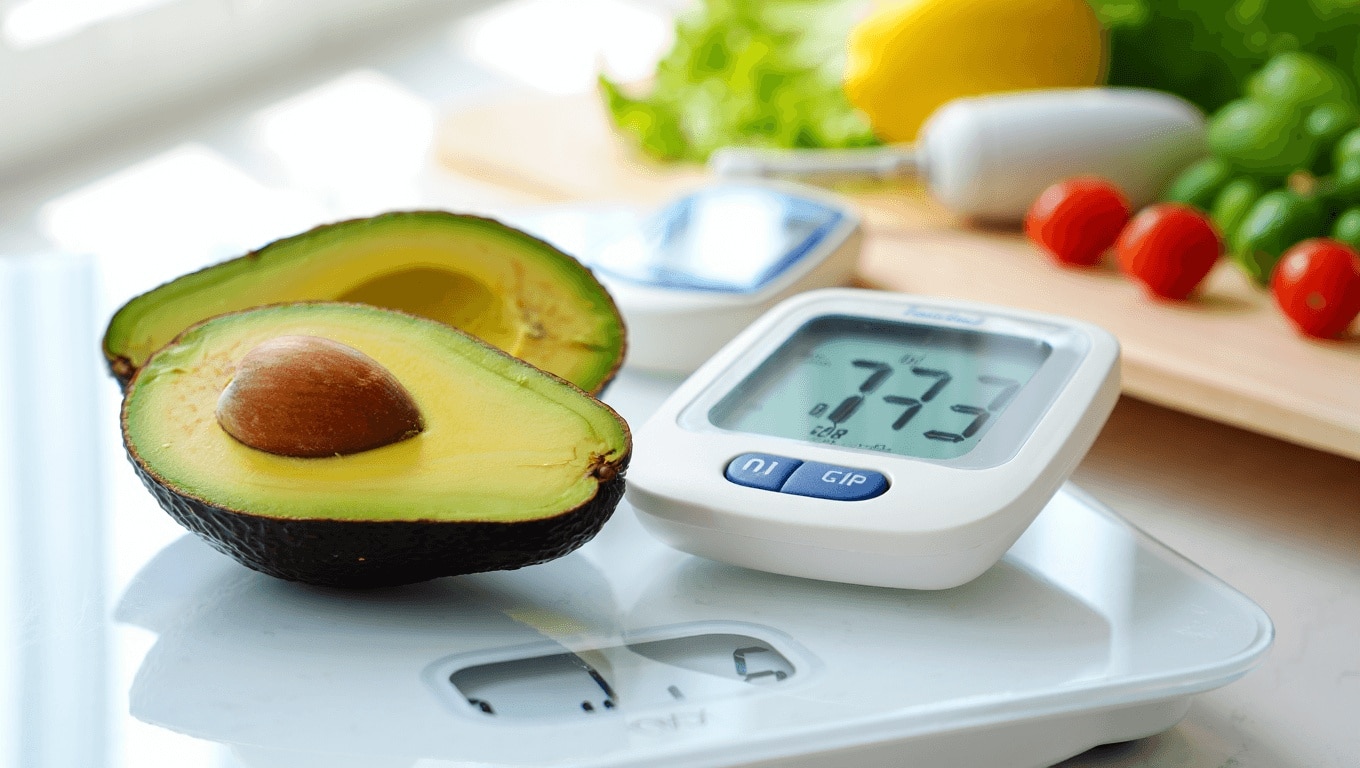
Eating an avocado most days could be a simple, flavorful strategy to support healthy weight, stable blood sugar and balanced blood pressure. Nutritionists and researchers point to the fruit’s unique mix of fats, fiber and micronutrients as reasons it may protect against obesity, diabetes and hypertension. Below, we break down the evidence, explain how avocados work in the body, and offer practical tips for adding one to your daily routine.
Why one avocado a day is grabbing attention
Emerging research links regular avocado consumption to better metabolic markers. Studies compare people who eat avocados frequently with those who don’t and report improvements in cholesterol, insulin response and body mass metrics.
Daily avocado intake is not a magic bullet. But scientists say its nutrient profile may help reduce risk factors for chronic disease when included in a balanced diet.
Key nutrients that make avocados beneficial
- Monounsaturated fats: Heart-healthy fats that improve lipid profiles and help with satiety.
- Dietary fiber: Soluble and insoluble fiber slow digestion, blunt blood sugar spikes, and aid weight control.
- Potassium and magnesium: Minerals that support blood pressure regulation and vascular function.
- Antioxidants: Lutein, zeaxanthin and other phytonutrients reduce inflammation and oxidative stress.
- Low sugar and minimal carbs: Makes avocados a good choice for glycemic control.
How avocados may lower risk of diabetes, hypertension, and obesity
Improving blood sugar and insulin sensitivity
Fats and fiber in avocados slow carbohydrate absorption. That leads to smaller post-meal glucose spikes.
Regular intake can help stabilize insulin demand over time, which may reduce the strain on pancreatic function.
Supporting healthy blood pressure
Potassium balances sodium and eases tension in blood vessels. When paired with monounsaturated fats, this combo may promote better endothelial function.
These effects contribute to modest drops in systolic and diastolic pressure in some people.
Helping with weight and appetite control
An avocado’s fats and fiber increase fullness. People who feel satisfied tend to eat fewer calories later.
Replacing processed fats or high-carb spreads with avocado can lower overall calorie density while improving nutrient quality.
What the research shows in plain terms
- Populations that include avocados regularly often display healthier cholesterol numbers.
- Short-term trials show better post-meal blood sugar when meals include avocado.
- Studies of dietary patterns suggest links between avocado intake and lower body mass index.
These findings are encouraging, but researchers note that individual results vary. Lifestyle, genetics, and total calorie balance matter.
How to make an avocado a practical daily habit
- Use half an avocado as a spread instead of butter or mayo.
- Add slices to salads, sandwiches, or grain bowls for extra creaminess.
- Blend into smoothies for a richer texture and longer satiety.
- Top eggs or toast with avocado and a sprinkle of seeds or herbs.
- Swap avocado for cheese in some recipes to reduce saturated fat.
One medium avocado is usually a reasonable serving. Adjust portions to fit your energy needs.
Practical tips on portions and calories
Avocados are calorie-dense. A typical medium fruit has around 200–300 calories. Balance matters.
- Combine avocado with vegetables and lean proteins to keep meals balanced.
- Measure portions if you track calories or are trying to lose weight.
- Consider using half an avocado per meal to control intake.
Who should be cautious or consult a clinician
- People on blood-thinning drugs should check with their doctor about vitamin K interactions.
- Those with fruit allergies or latex-fruit syndrome may react to avocado.
- Anyone managing weight aggressively should account for the calories in avocados.
Discuss major diet changes with a healthcare provider, especially if you have chronic conditions or take multiple medications.
Shopping, storage, and sustainability tips
- Choose firm avocados that yield slightly to gentle pressure.
- Ripen at room temperature, then refrigerate to prolong freshness.
- Freeze pureed avocado with a little lemon juice for smoothies.
- Buy from diverse sources or seasonal markets to reduce environmental strain.
Simple recipes to try every day
- Avocado and tomato toast with lemon and chili flakes.
- Green smoothie: spinach, half avocado, banana, and plant milk.
- Mediterranean bowl: quinoa, chopped avocado, chickpeas, and herbs.
- Avocado yogurt dressing: mashed avocado, Greek yogurt, lemon, and garlic.
Small swaps and easy recipes make it simple to include avocado without overhauling your diet.
Similar Posts:
- Avocado a day may lower heart disease risk: study finds
- Avocado and mango: daily servings may lower blood pressure in prediabetes
- This everyday food can actually reduce belly fat, according to science
- Diabetes prevention: plant-based or low-carb, which is better?
- Belly fat: 5 powerful tricks to lose it fast without exercise

Cole is a passionate vegan dessert artist with a knack for turning indulgent classics into plant-based masterpieces. His sweet creations are where flavor meets conscious living.