
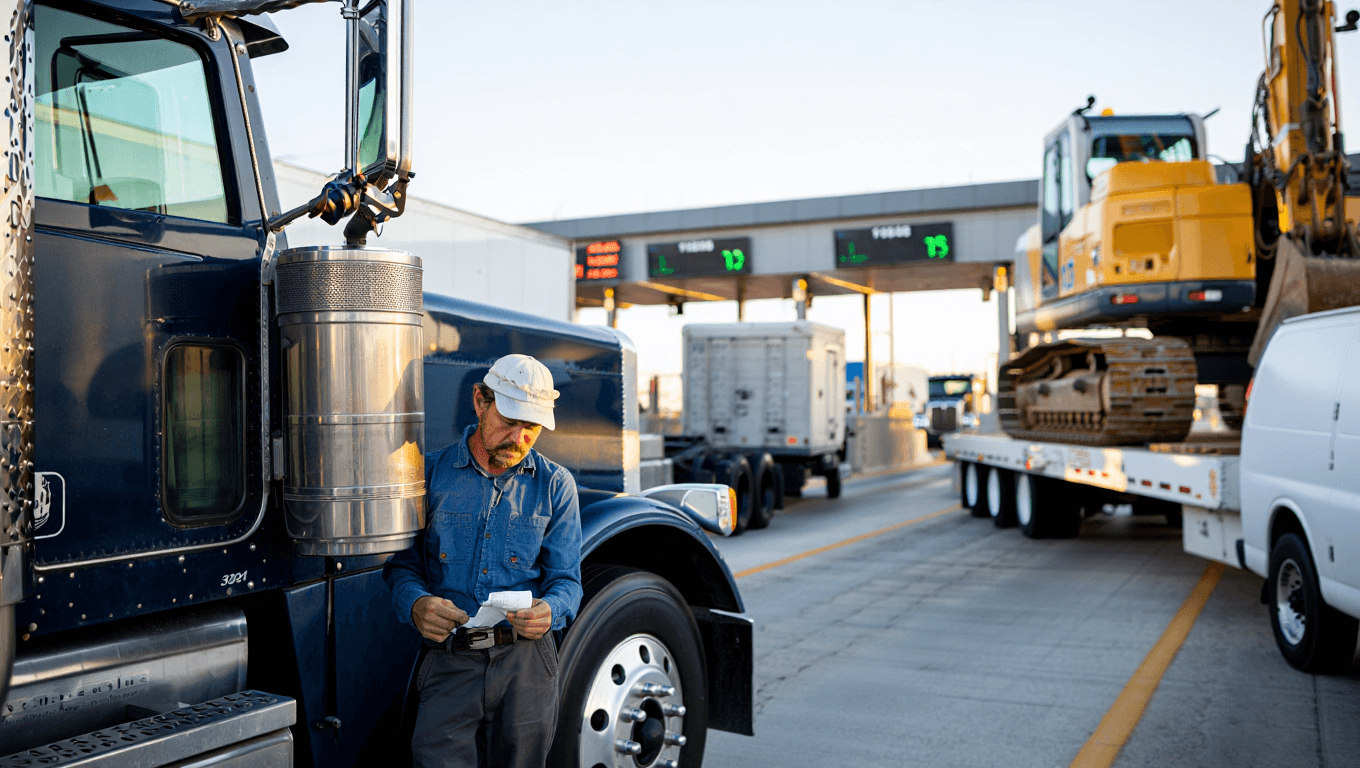
New tax rules for larger vehicles take effect today, reshaping costs for hauliers, bus operators and owners of specialist machines. The changes alter how Vehicle Excise Duty and the HGV road user levy work together, and businesses must now reassess annual bills based on weight, axle layout and emissions standards.
Who is impacted by the updated vehicle taxes
The revisions apply across the UK to heavy goods vehicles, recovery trucks, buses and a range of specialist transport. Any new vehicle licence issued from today falls under the amended rules.
- Owners of heavy goods vehicles (HGVs) must consider both VED and the HGV levy when calculating costs.
- Bus and coach operators face restructured bands by capacity and type.
- Specialist units, such as mobile cranes and showman’s vehicles, are covered too.
How charges are determined: weight, axles and emissions
Under the new approach, three factors determine the total annual charge.
Key billing criteria
- Gross vehicle weight — heavier vehicles are placed in higher payment bands.
- Axle configuration — two- and three-axle models can be treated differently.
- Emissions standard — vehicles meeting Euro VI face lower fees than older models.
Operators must add any road-user levy to the VED amount to get the full yearly cost. Payment choices include annual, six-month and monthly instalments, with direct debit available to spread payments.
New price examples operators should know
To help with planning, here are representative charges under the new bands.
- General haulage lorries — now £380 a year, up from £365. A six-month licence is available for £209.
- Monthly payment option — direct debit spreads to about £399 across 12 months for some operators.
- Medium HGV band (12,000–31,000kg) — Euro VI vehicles around £161; older models about £209.
- Higher band (31,001–38,000kg) — cleaner lorries roughly £387; older types about £503.
- Top weight category (above 38,000kg) — Euro VI trucks pay about £619; non-compliant vehicles around £804.
- Two-axle examples — models between 15,000kg and 27,000kg face roughly £322 per year.
- Trailer and articulated combinations — certain tractor-and-trailer pairings can raise VED to as much as £654 annually.
- Buses and coaches — small buses (up to 17 seats) near £177; mid-sized roughly £240; larger coaches vary from about £350 to £530.
- Specialist vehicles — mobile cranes, road rollers and showman’s rigs are set at a flat rate of around £177.
Government explanation and industry response
The Treasury says the aim is to align road charges with vehicle mass and environmental performance. Officials stress the move is intended to balance environmental incentives with fairness for operators.
Industry groups warn the changes raise operating costs for fleets, especially for older vehicles. Some firms may need to rethink replacement timetables or pass costs on to customers.
Immediate actions for fleets and drivers
Operators should take a few practical steps now to avoid surprises.
- Check each vehicle’s registered weight and axle configuration.
- Verify the emissions standard (Euro VI or earlier) to see which band applies.
- Recalculate total annual charges by adding VED and the HGV levy.
- Decide whether to pay annually, six-monthly, or by monthly direct debit.
- Update licence applications to reflect the new legal thresholds.
Wider context: environmental steering and payment flexibility
The wider package of measures reflects a push to reduce emissions from road transport. Alongside tax shifts, policymakers continue to emphasise incentives for cleaner vehicles and flexible payment options for operators.
Operators choosing cleaner trucks benefit from lower charges, while older, higher-emitting vehicles face steeper bills. For many businesses, the updated rules will change fleet economics and maintenance planning.
Similar Posts:
- New VAT Fuel Rates Launch May 1: Drivers Face Up to £2,314 in Charges
- £800 annual hit for van drivers from clean air zone charges
- HMRC hikes VAT on petrol and diesel today: thousands face higher pump costs
- Labour threatens another major petrol and diesel vehicle ban: drivers face tougher net zero rules
- Car tax shake-up in Autumn Budget: Rachel Reeves urged to adopt changes hitting popular vehicles

Naomi is a clean beauty expert passionate about science-driven skincare and natural remedies. She demystifies ingredients and shares routines that empower readers to glow — naturally.