

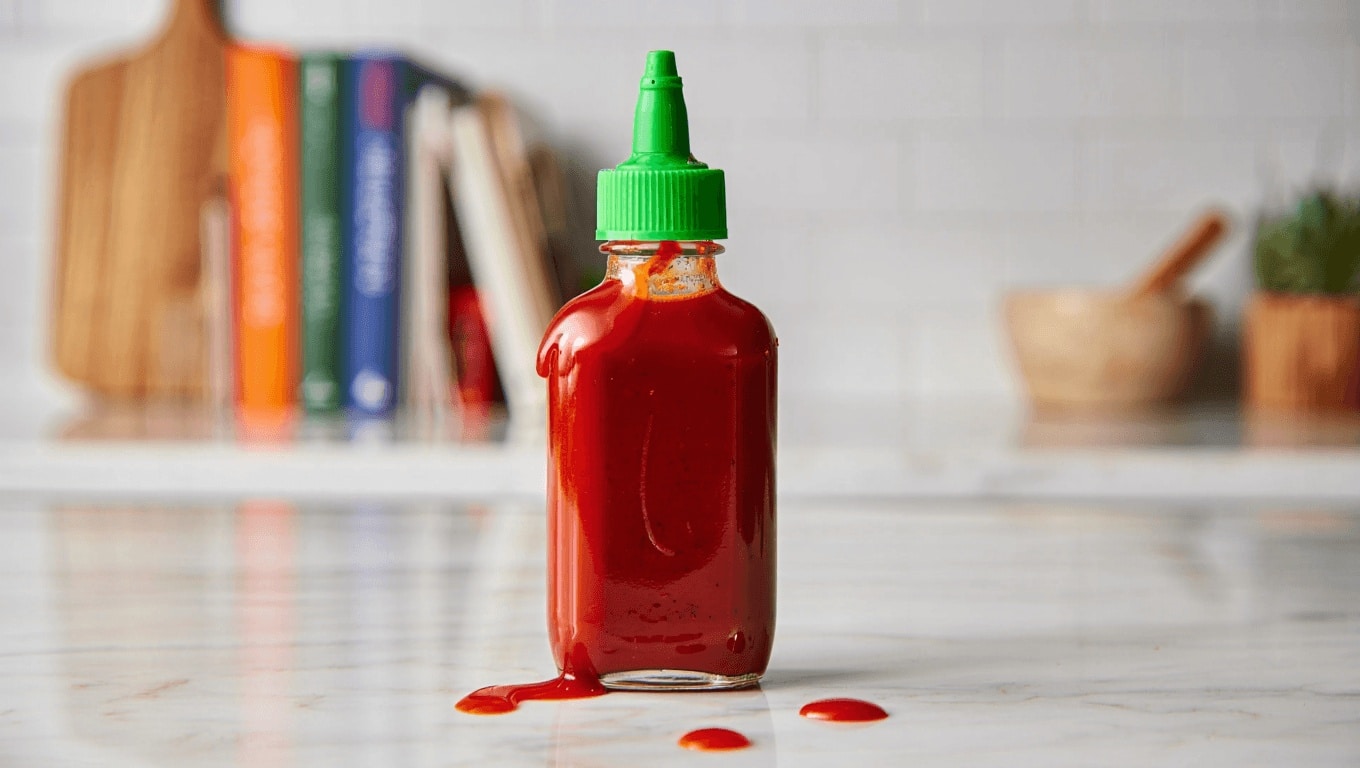
A few drops of sriracha can transform a mild dish into something electric. This scarlet chili sauce has left its coastal Thai roots to become a pantry staple worldwide. Its blend of heat, garlic, sugar and vinegar feels familiar and surprising at once. Behind that now-iconic squeeze bottle lies a history of migration, reinvention and culinary fandom. Read on to discover what sriracha really is, how it conquered global tables, and how you can make and use it at home.
What sriracha tastes like and why it stands out
Sriracha is not just “hot.” It balances heat with sweetness, tang and a strong garlic note. The texture of the best-known variants is smooth and pourable. That makes it easy to control the amount you add.
- Heat level: noticeable but usually tame compared to pure chili sauces.
- Flavor profile: garlicky, slightly sweet, vinegary and aromatic.
- Consistency: shiny, thick enough to cling to food, yet easy to squeeze.
Because it enhances rather than obliterates flavors, chefs and home cooks use sriracha to sharpen dishes without masking them.
Origins of sriracha: from Si Racha to a global name
The name itself comes from Si Racha, a coastal town in Thailand. There, locals created a chili-based sauce to pair with seafood.
Multiple origin stories circulate. One well-documented line traces early commercial production to a Thai brand that made a local sauce famous. That version, bold and savory, set the stage for later adaptations.
How an immigrant entrepreneur reimagined the sauce
In the United States, a new chapter began in the late 20th century. Vietnamese entrepreneur David Tran developed a version of the sauce tailored to American kitchens.
Produced by Huy Fong Foods, the bottle with the green cap and rooster logo became instantly recognizable. Customers nicknamed it the “rooster sauce”.
The brand’s growth relied largely on word of mouth. No major ad campaigns were needed. Fans spread the sauce by recommending it in restaurants and at home.
Why sriracha became a culinary hit
- Versatility: It works with breakfast, snacks and full meals.
- Approachability: Spicy but not intimidating for most palates.
- Visual appeal: Bright red color and iconic packaging make it shareable on social media.
- Culinary adaptability: It blends into sauces, dressings, marinades and dips.
Food trends and social media amplified this appeal. Sriracha crossed from ethnic menus into mainstream fast food, packaged snacks and home cooking.
Simple ways to use sriracha in everyday cooking
Integrate sriracha with a light hand. A little can alter texture, aroma and balance.
- Drizzle over fried or scrambled eggs for a savory lift.
- Stir into stir-fries or fried rice near the end of cooking.
- Add to broths and noodle bowls for depth and warmth.
- Mix with mayonnaise for spicy sandwiches and dipping sauces.
- Brush onto grilled shrimp, chicken or tofu during the last minutes of cooking.
- Blend into dressings to brighten salads or slaws.
Step-by-step: a quick homemade sriracha recipe
Making sriracha at home is straightforward. You can tweak heat and sweetness to taste.
Ingredients for a small batch
- 250 g red chilies (mix mild and hot if desired)
- 4 garlic cloves
- 3 tablespoons sugar
- 3 tablespoons rice vinegar or mild white vinegar
- 1 teaspoon salt
- Water as needed to adjust texture
Method
- Roughly chop chilies and garlic, then blend to a coarse puree.
- Simmer the puree with sugar, vinegar and salt for 10–15 minutes.
- Blend again until smooth. Strain for a glossy finish if you prefer.
- Cool, then refrigerate. Use within a week or two.
For more complexity, allow a short fermentation before cooking. This adds tang and depth.
Flavor variations and practical tips
- For less heat, remove some seeds before blending.
- Add roasted red peppers for a smoky touch.
- Swap palm sugar or honey for white sugar to change sweetness.
- Use apple cider vinegar for fruitier acidity.
- Store in a sterilized bottle to extend shelf life.
Sriracha responds well to experimentation. Adjust ingredients to fit your dishes and spice tolerance.
Similar Posts:
- Secret ingredient transforms sauces: the simple trick that makes all the difference
- Quick & Delicious: Celebrity Chef Norbert Tarayre Shares His Flavor-Packed Butter Chicken Recipe!
- Summer body-ready healthy salad: turn the tasty crousty into a light recipe
- Chili sin carne: the perfect meat-free dish you’ll crave
- Chimichurri sauce recipe: chef Simon Auscher’s tips to elevate every dish