
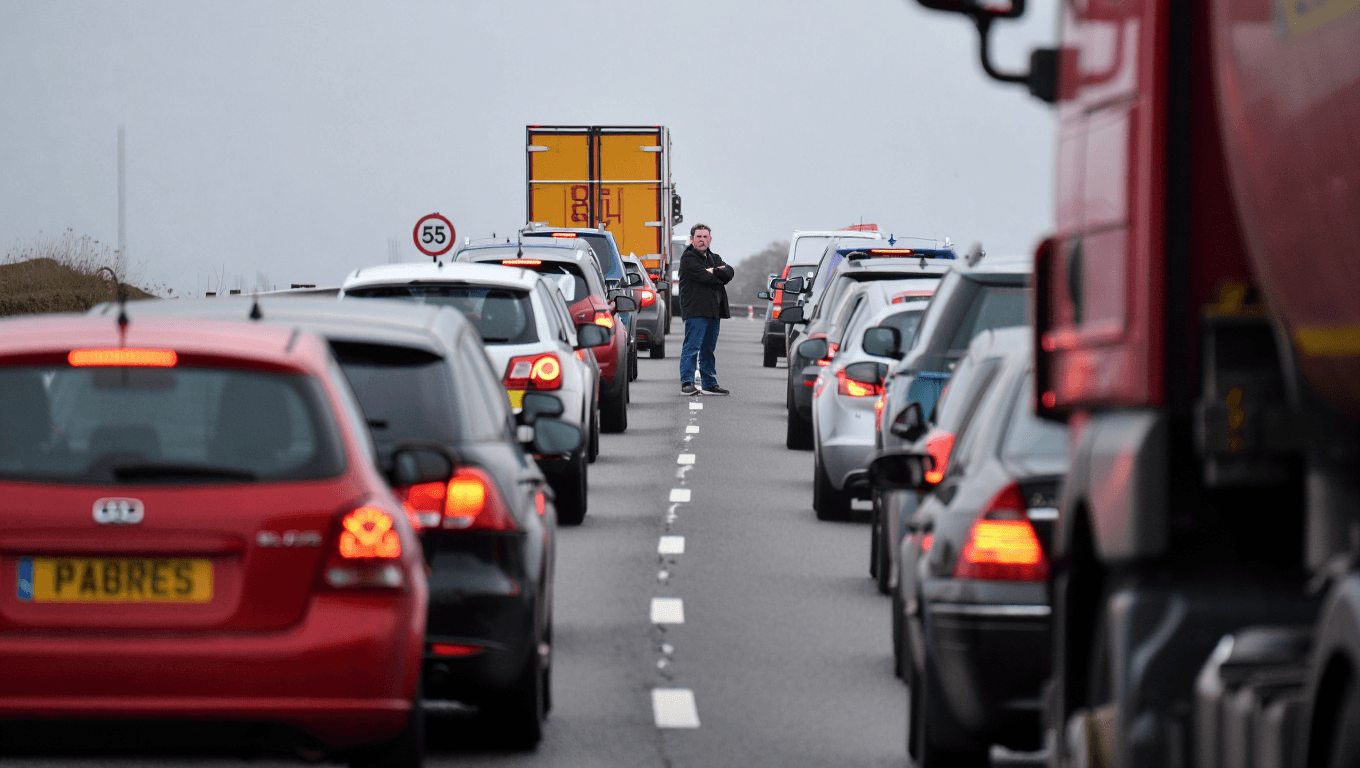
The Green Party, led by Zack Polanski, has unveiled an ambitious transport plan that would cut motorway speeds to 55mph. The proposals aim to reshape travel, taxes and parking across the country. Critics have called it a direct attack on drivers. Supporters say it will improve safety and cut emissions. The policy has already ignited a heated public debate.
Key measures in the Green Party’s transport package
The document sets out a comprehensive set of changes to how people travel by car. It swaps higher speeds and plentiful parking for lower limits and stronger incentives to use other modes of transport.
- Motorway speed limits reduced to 55mph on major roads outside built-up areas.
- Dual carriageways would also face substantial reductions, around 15mph lower than current limits.
- 20mph zones would be expanded across urban and residential areas, similar to policies in parts of Wales.
- Fuel duty would be increased gradually to encourage lower mileage and more fuel-efficient cars.
- Drivers could be required to resit driving tests every five years.
- On-street parking charges and tighter planning rules would reduce parking availability.
Why the Greens say these steps are needed
Polanski’s team frames the package around safety, climate targets and managing demand for road space.
- Lower speeds are presented as a way to cut collisions and fatalities.
- Reduced limits and higher fuel duty target fuel consumption and emissions.
- The strategy emphasises “demand management” to lower traffic volumes and speed.
- The party argues that improved, affordable public transport would give people practical alternatives.
The Greens describe driving as a privilege, not an automatic right, and stress that changes must be evidence-led to deliver safer, greener roads.
Political backlash and who is pushing back
Opposition parties and commentators have portrayed the proposals as punitive. They argue the plan would add expense and inconvenience to everyday life.
- Conservative figures labelled the package a “war on drivers” and warned it would increase costs for households.
- Some media personalities have ridiculed the plan and its leadership, framing it as out of touch.
- Shadow ministers argue such measures would slow economic activity and harm people who rely on cars for work.
Supporters of the plan say these criticisms ignore long-term benefits in safety and climate mitigation.
How the changes would affect daily life
For commuters, businesses and rural communities, the impact would be tangible.
- Journeys on motorways and main roads would take longer.
- Higher fuel duties and parking charges could increase commuting costs.
- Drivers might face more frequent testing and stricter licensing rules.
- Urban streets would see lower speeds, prioritising pedestrians and cyclists.
For some, particularly those in low-traffic, well-served areas, this could be a manageable shift. For others, especially in places with limited public transport, it could feel restrictive.
Wider party policies adding to the controversy
Transport changes are only part of a broader set of proposals that have widened the debate around the party’s platform.
- An internal document surfaced outlining proposals on migration and welfare.
- It suggested offering housing and a Universal Basic Income to some migrants on arrival.
- The same document indicated a move to allow immediate access to healthcare and work for migrants arriving without authorisation.
- Ideas to end immigration detention and grant amnesty to certain rejected claimants were also featured.
These measures have intensified scrutiny and fuelled media attention well beyond transport policy.
Voices inside and outside the party
Former Green figures and party supporters defend the approach, focusing on alternatives to motoring.
- Advocates argue that reliable, affordable public transport would reduce the need to drive.
- They point to evidence showing behaviour change when alternatives are convenient.
- Critics argue the package misreads how people live and work across different regions.
Polanski’s leadership style and public statements — including remarks about car ownership among working-class people — have intensified debate about who would bear the plan’s costs.
What happens next politically and legally
The proposals will now move into the public arena as the party seeks to build support. There are several potential turning points.
- Parliamentary scrutiny if measures are brought forward as legislation.
- Local government roles in implementing parking and 20mph zones.
- Public consultation periods and road-safety studies that could reshape details.
- Electoral consequences as opponents use the plan to campaign on transport and cost-of-living issues.
Debate is likely to remain intense as opponents and supporters battle over facts, figures and lived experience.
Similar Posts:
- Green Party candidate backs car-free Sundays in Manchester: sparks backlash
- SUV drivers hit with surprise tax hike: millions face higher annual costs
- 20mph speed limits to hit drivers: councillors approve sweeping road shake-up
- British drivers back 80mph motorway limit: ready for review
- SUV drivers face higher parking charges: council launches crackdown on large vehicles

Naomi is a clean beauty expert passionate about science-driven skincare and natural remedies. She demystifies ingredients and shares routines that empower readers to glow — naturally.