
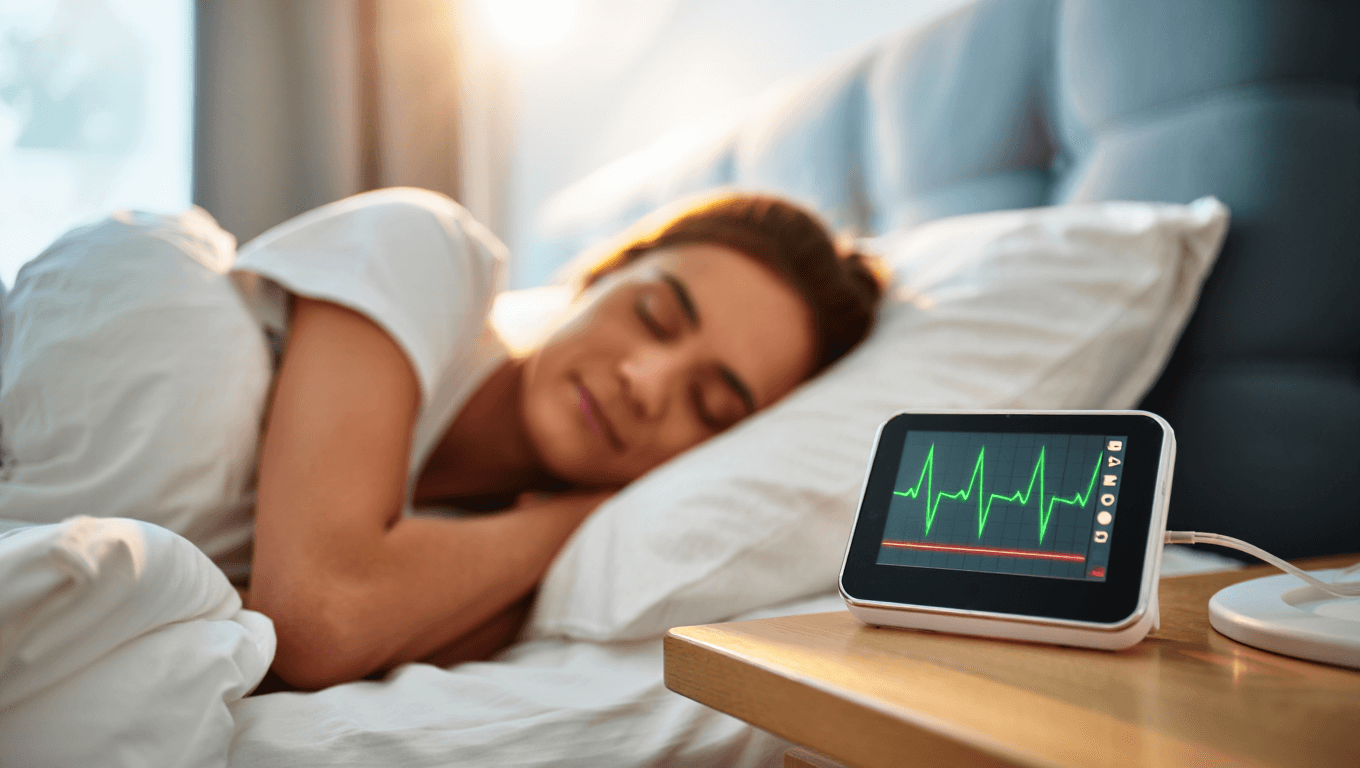
How you lie down at night does more than change how comfortable you feel. It can alter breathing, digestion, and even the way your heart and metabolism function. Small shifts in position can reduce snoring, ease heartburn, and improve blood flow. Learn which postures help and which may cause trouble, and get simple tips to wake up feeling better.
Why sleep posture matters for health and recovery
The angle of your spine and the pressure on organs influence how your body rests. Sleeping position affects airway openness, blood circulation, and how the stomach and esophagus align.
- Airway stability: Certain positions narrow the throat. That can worsen snoring and sleep apnea.
- Circulation: Pressure points change how blood returns to the heart.
- Digestive flow: Gravity helps or hinders acid and food movement.
- Spinal alignment: Mattress and pillow choice interact with posture to reduce pain.
Sleeping on your left side: heart, digestion, and pregnancy benefits
Left-side sleep is often recommended by clinicians. It naturally positions the heart and major veins to ease circulation. The stomach sits below the esophagus, which helps limit acid reflux for many people.
Effects on the heart and circulation
Lying on the left can reduce pressure on the large veins that return blood to the heart. This may benefit people with certain heart conditions and pregnant women. Still, individual health varies, so talk to a provider if you have cardiovascular concerns.
Digestion and acid reflux
Gravity favors the left-side position for keeping stomach acid away from the esophagus. Many people with GERD report fewer symptoms when they sleep this way.
- Benefit: Lower chance of nighttime heartburn for many sufferers.
- Tip: Elevating the head 6–8 inches also helps reduce reflux.
Pregnancy advantages
Doctors commonly advise pregnant people to sleep on the left. It improves blood flow to the uterus and reduces pressure on the liver. Use support pillows to maintain comfort.
Right-side and back sleeping: trade-offs to consider
No single position is perfect. Each carries benefits and risks depending on your symptoms and anatomy. Consider both comfort and medical needs when choosing a nightly posture.
Right-side sleeping
Right-side sleep eases pressure on the left lung and can feel natural for many. But some people report increased reflux compared with left-side sleeping. If you have GERD, test both sides and track symptoms.
Back sleeping: posture and breathing
Sleeping on your back aligns the spine and reduces facial pressure. It is often best for people with neck or back pain.
- Pro: Neutral spine reduces pressure on joints.
- Con: Gravity can collapse the airway, worsening snoring and obstructive sleep apnea (OSA).
If you snore heavily or have daytime sleepiness, back sleeping may be problematic. Consider positional therapy and seek a sleep evaluation if symptoms persist.
Stomach sleeping: immediate comfort, long-term strain
Some people prefer lying on the stomach. It can reduce snoring for a while. But this position often twists the neck and places strain on the lower back.
- Neck rotation can cause morning stiffness and pain.
- Spinal alignment is difficult to maintain in this posture.
- Use a very thin pillow or none at all to reduce neck stress.
How sleep position can influence metabolism and weight control
Posture affects sleep quality. Fragmented sleep raises stress hormones and may impair glucose regulation. Over time, that can influence weight and metabolic health.
- Poor sleep worsens insulin sensitivity and appetite regulation.
- Snoring and sleep apnea fragment sleep and increase cardiovascular risk.
- Improving position can reduce awakenings and help hormone balance.
Addressing sleep-disordered breathing often improves metabolic markers. If you suspect OSA, pursue testing and medical treatment.
Practical steps to improve sleep posture tonight
Small changes make a big difference. Try these tips to protect your spine, reduce reflux, and breathe easier.
- Choose a mattress that supports your natural curves.
- Use a pillow that keeps your head aligned with your spine.
- Place a pillow between your knees when side sleeping to align hips.
- Elevate the head of the bed to reduce reflux and nasal drainage.
- Try a body pillow to stay on your chosen side all night.
- For back sleepers, use a small lumbar roll to maintain lower back curvature.
- Consider positional devices or tennis-ball techniques to avoid back sleeping if you snore.
When to seek help from a clinician or sleep specialist
Some symptoms require professional care. Left untreated, sleep disorders raise long-term health risks.
- Frequent loud snoring and gasping for air during sleep.
- Persistent daytime sleepiness despite enough hours in bed.
- Chronic heartburn that improves little with over-the-counter remedies.
- Worsening blood pressure or diabetes control linked to poor sleep.
If you suspect sleep apnea or serious reflux, consult a healthcare provider. They can recommend testing, lifestyle changes, or treatments tailored to your condition.
Adapting posture as needs change
Age, pregnancy, and injury alter the best position for sleep. Listen to your body and adjust supports accordingly.
- Older adults may benefit from more elevation and softer pillows.
- Pregnant people should re-evaluate pillow placement as the belly grows.
- Injury recovery often requires temporary position changes to reduce pain.
Tracking symptoms in a sleep diary can help you and your clinician find the best nightly posture.
Similar Posts:
- Lower blood pressure: go to bed at the same time every night
- Shaquille O’Neal: how Zepbound brought sleep apnea relief and major weight loss
- How Weekend Habits Can Aggravate Your Sleep Apnea: Surprising Triggers to Avoid!
- Sleeping in total darkness boosts heart health: the surprising science
- The “towel technique” that targets belly fat effectively

Cole is a passionate vegan dessert artist with a knack for turning indulgent classics into plant-based masterpieces. His sweet creations are where flavor meets conscious living.