
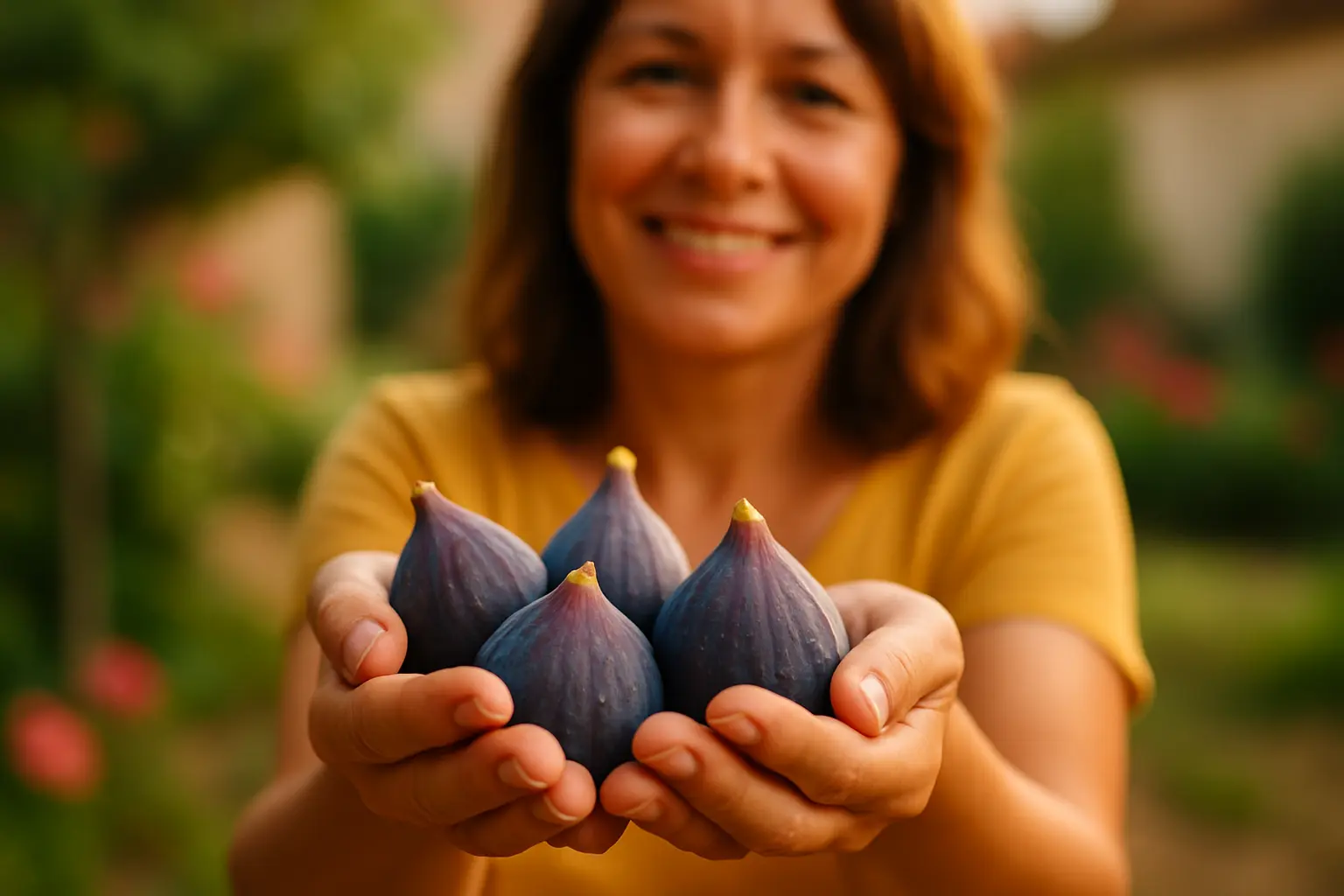
If you’ve ever bitten into a soft, sweet fig and thought you were tasting pure nature at its best, brace yourself for a crunchy surprise—albeit one you’ll never actually notice. When it comes to figs, not only are you indulging in a fruit packed with nutrients, but there’s a whole hidden insect tale going on inside. Before you swear off figs forever, read on—sometimes, the truth is as fascinating as it is unexpected.
The Unlikely Love Story: Figs and Wasps
At the heart (quite literally) of every fig lies a story of mutualism—the shared survival strategy between the fig and a modest little insect: the wasp. This inverse flower (yes, botanically speaking, a fig is more flower than fruit!) needs the wasp to complete its natural cycle. In this symbiotic relationship, the wasp enters the fig to lay her larvae. But did you know there are actually two types of figs? That’s right—male and female. And it’s the male fig that’s particularly welcoming to the wasp.
The female fig wasp faces a dramatic finale to her journey. She selects the male fig because of its particular shape, making entry easier. However, there’s no going back: to get inside, she must break her wings and antennae. Once she’s in, she’s trapped. Unable to leave, her story ends inside the fig. Yes, she dies there, but her legacy is far from over.
Eaten by Proxy: The Fate of Wasps Inside Figs
Now, here’s where dinner gets… interesting. Next time you savor a luscious fig, consider this: somewhere in its history, a wasp was part of its making. But before you banish figs from your plate, rest assured—you’re not exactly munching on a crunchy wasp garnish. Why not? Because inside the fig, there’s an enzyme called ficin. This little helper efficiently breaks down the wasp’s body, transforming it into protein. By the time you eat the fig, there’s no trace of the wasp left—at least, not in a form you can recognize!
But wait—what about the wasp larvae? In a true twist, male larvae are born wingless. Their mission is simple, if somewhat unromantic: mate with their sisters inside the fig, and then dig a hole to the outside world so the females, carrying pollen, can emerge. The male babies never make it out themselves—they die inside the fig. The females, on the other hand, escape to repeat the cycle in a brand new fig elsewhere. It’s an extraordinary cycle that leaves us both open-mouthed and completely captivated.
Should You Eat Figs? Nutritional Treasure and Tasty Advice
If you’re still with us (and haven’t switched to apples for life), here’s the good news: figs really are nutritional treasures. Packed with antioxidants, they’re also high in fiber—great news for anyone looking after their digestive transit. Those who enjoy figs dried will be thrilled to know they’re also rich in calcium, iron, and potassium. No wonder so many athletes swear by them!
But beware: figs are also rather high in calories. That’s why so many sporty types appreciate them. If you want to make the most out of your figs, here are some simple tips:
- Choose figs that are supple to the touch, but not overly soft.
- Eat them soon—they won’t last 24 hours!
- Store them in a cool cellar, never in the fridge.
So, next time you bite into a glorious fig, remember: you’re not just enjoying a delicious fruit. You’re part of a natural wonder that combines plant and insect in a cycle as ancient as it is ingenious. And if anyone asks, yes, you’ve eaten a wasp—sort of. Bon appétit!
Similar Posts:
- Flesh-eating parasite prompts disaster declaration: where it’s spreading and why
- Four Plants That Quickly Soothe Mosquito Bites and Other Insect Stings
- Figs crème brûlée style: cute, indulgent recipe to wow your guests
- Fluffy brioche recipe: easy small buns to make this weekend
- The 3 highest-calorie cheeses nutritionists warn about

Theo is a dynamic fitness coach who brings energy, realism, and flavor to healthy living. His content is about strong bodies, positive minds, and meals that fuel both.