

The U.S. Food and Drug Administration has expanded the role of Mounjaro, now authorizing it to lower cardiovascular risk in people living with type 2 diabetes. This decision could reshape treatment plans, influence prescribing habits, and affect insurers’ coverage choices. Patients and clinicians alike are weighing the promise and the trade-offs as new guidance lands.
What Mounjaro is and why it matters for heart health
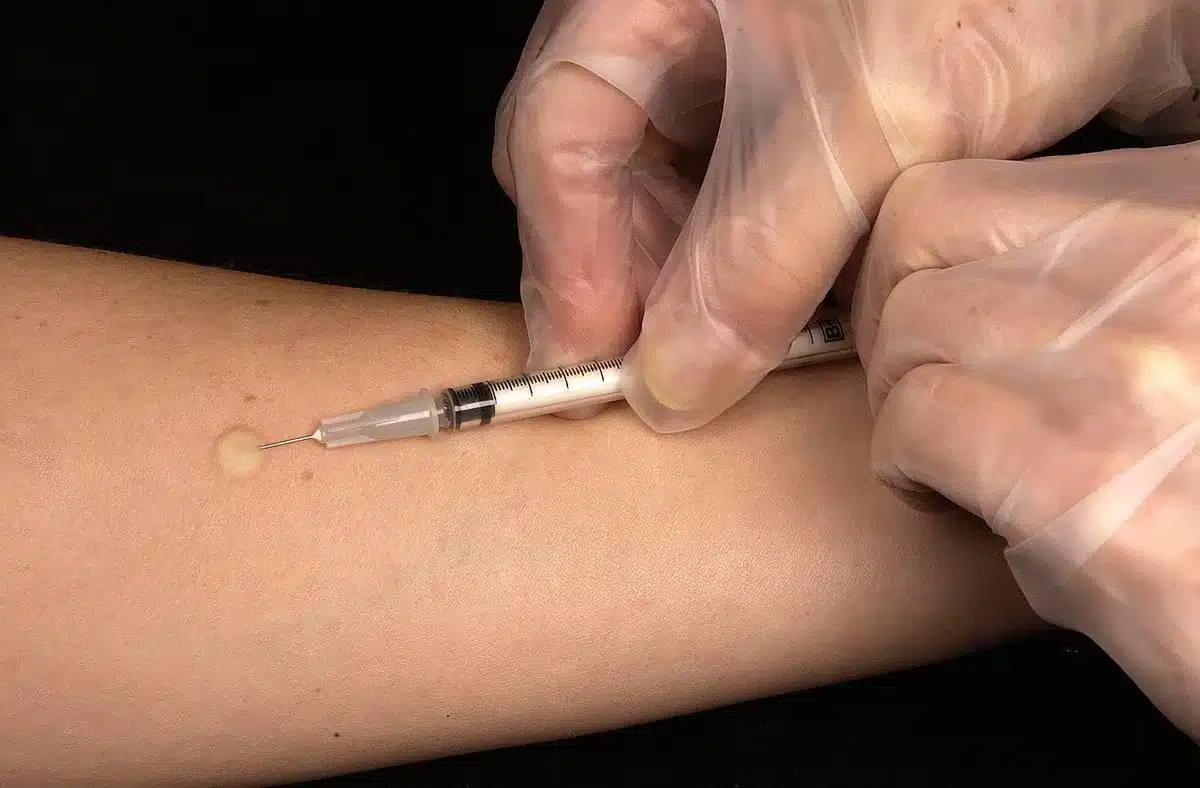
Mounjaro is the brand name for tirzepatide, a once-weekly injectable medication. It acts on two hormones that influence blood sugar and appetite. Initially marketed for glucose control and weight loss, tirzepatide’s benefits now extend to reducing cardiovascular events.
How tirzepatide works
- It targets GLP-1 and GIP receptors, improving insulin response.
- It lowers blood glucose and often promotes weight loss.
- Secondary effects may include improvements in blood pressure and lipids.
Evidence that drove the FDA decision
The approval followed large, randomized clinical trials that tracked heart outcomes. Investigators measured rates of heart attack, stroke, and cardiovascular death. Results showed a statistically meaningful drop in these events among treated patients.

- Participants: thousands of adults with type 2 diabetes at elevated cardiovascular risk.
- Primary outcomes: major adverse cardiovascular events (MACE).
- Timing: results emerged over multiple years of follow-up.
Key finding: tirzepatide reduced the incidence of serious cardiovascular events compared with placebo in high-risk patients.
Who stands to benefit from the approval
The new label targets adults with type 2 diabetes who have existing cardiovascular disease or are at high risk for it. Clinicians will weigh individual factors like age, kidney function, and prior heart events.
- Patients with prior heart attack or stroke.
- Those with multiple risk factors: high blood pressure, high cholesterol, smoking.
- People who struggle to reach glycemic targets despite standard therapy.
Safety profile and common side effects
Safety data reflect both metabolic benefits and predictable adverse events. Most side effects are gastrointestinal and occur early in treatment.
- Nausea, vomiting, and diarrhea are the most common complaints.
- Some patients report injection-site reactions.
- Long-term risks will continue to be monitored post-approval.
Important note: Clinicians should screen for contraindications and review medication interactions before initiating therapy.
How this may change clinical practice and guidelines
Endocrinologists and cardiologists may now consider tirzepatide earlier for patients at elevated cardiovascular risk. The approval strengthens the case for using metabolic therapy as part of heart disease prevention in diabetes.
- Expect updates to diabetes and cardiology guidelines over time.
- Shared decision-making will be essential, balancing benefits and side effects.
- Monitoring plans should include glucose, lipids, blood pressure, and symptom review.
Access, insurance coverage, and cost considerations
Availability and affordability will shape uptake. Insurers may expand coverage for people meeting cardiovascular-risk criteria, but prior authorization is likely.
- Out-of-pocket costs vary widely by plan.
- Manufacturer assistance programs may help eligible patients.
- Clinics should prepare documentation showing cardiovascular risk to support coverage requests.
What experts are saying and next research steps
Cardiologists applaud the extension of metabolic drugs into cardiovascular care. Researchers plan longer and broader studies to confirm benefits across diverse populations. Registries and real-world data will track long-term safety and effectiveness.
- Experts urge caution in patients with specific comorbidities.
- Ongoing trials will explore optimal dosing and combinations.
- Public health analyses will assess population-level impact and cost-effectiveness.
Similar Posts:
- Ozempic, Mounjaro and other GLP-1s cut stroke and heart risk: study
- Mounjaro, Zepbound cut death risk in people with serious heart conditions
- GLP-1 drugs may sharply cut heart disease, stroke risk in people with diabetes
- oral semaglutide slashes heart failure risk in type 2 diabetes: landmark study
- Mounjaro, Zepbound could cut diabetic eye disease risk

Cole is a passionate vegan dessert artist with a knack for turning indulgent classics into plant-based masterpieces. His sweet creations are where flavor meets conscious living.