
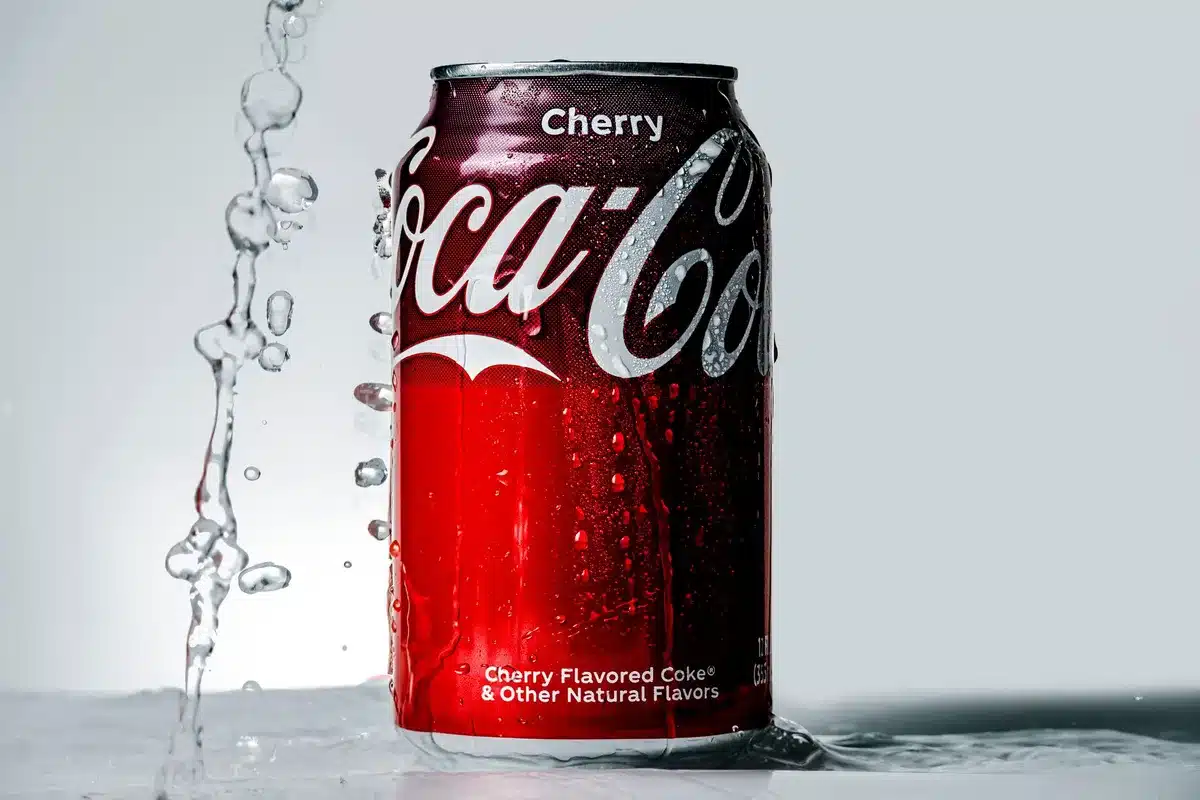
Prebiotic sodas promise a fizzy shortcut to better gut health, but new scrutiny suggests the bottle copy may not match the contents. Consumers drawn to these drinks for added fiber and digestive benefits face confusing labels and hidden sugars. Experts say buyers should look closer before assuming a bubbly beverage is good for their microbiome.
What are prebiotic sodas and why they matter for gut health
Prebiotic sodas are beverages fortified with ingredients meant to feed beneficial gut bacteria. Brands often highlight “prebiotic fiber” as a selling point. The idea is simple: some fibers reach the colon intact and fuel helpful microbes. That process can support digestion, immunity, and metabolic balance when combined with a healthy diet.
Label claims versus reality: ingredient lists under the microscope
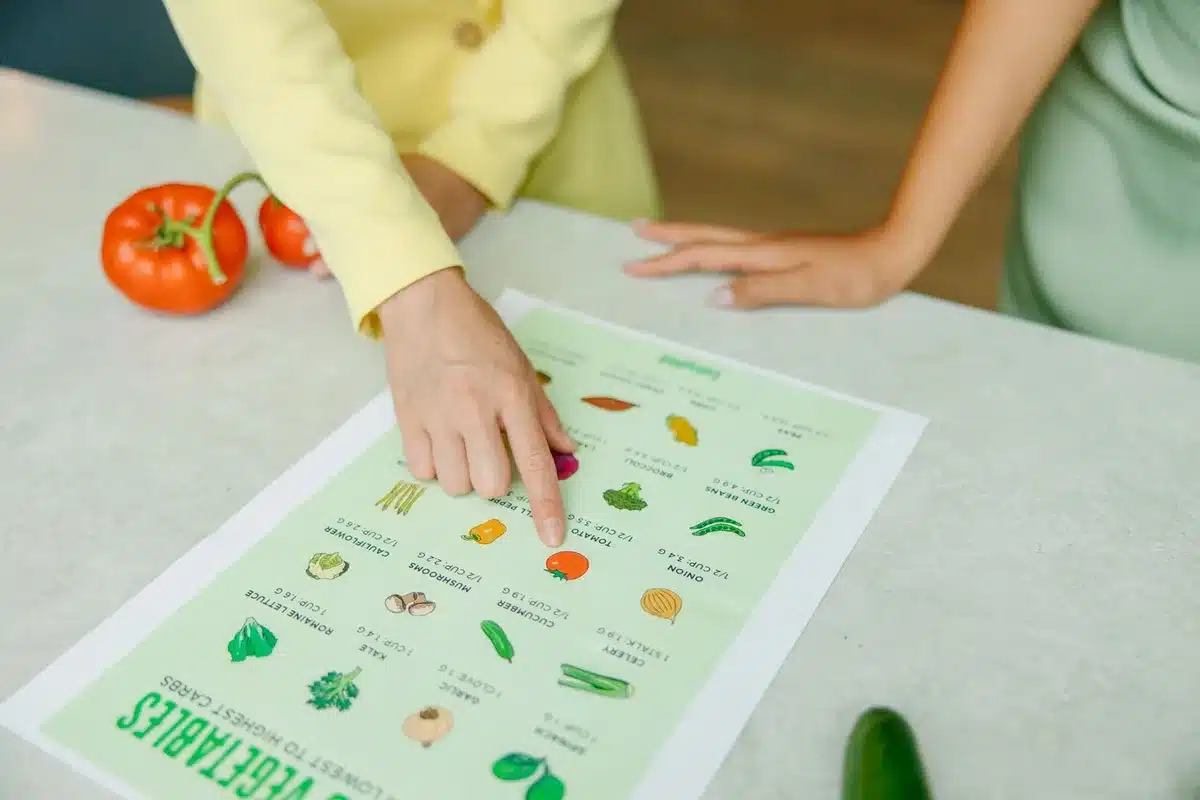
Many cans advertise grams of fiber or a “prebiotic blend” on the front. Yet the fine print can be less revealing. Terms like inulin, chicory root, fructooligosaccharides (FOS), and galactooligosaccharides (GOS) indicate prebiotic fibers. Still, labeling can be vague about the actual amount and type. That gap makes it hard to judge how much benefit a serving truly provides.
Common label tricks to watch for
- Front-of-pack fiber claims without clear serving-size context.
- “Prebiotic” used as a marketing term rather than a quantified ingredient.
- Use of sugar substitutes or small amounts of fiber paired with high sugar.
- Listing a prebiotic “blend” without specifying grams per ingredient.
Independent tests and what they found about sugar and fiber
Consumer groups and independent labs have started testing prebiotic drinks. Results often show less fiber than advertised. In some cases, sugar levels were higher than expected. That combination — low fiber and elevated sugar — can negate the supposed gut benefits. Even modest added sugars can influence blood glucose and calorie intake.
Why lab tests matter
- They measure actual fiber content versus label claims.
- They detect hidden sugars, including fruit concentrate and sweeteners.
- They reveal differences between advertised benefits and nutrition facts.
Health implications: who should be cautious with prebiotic sodas
Not everyone benefits equally from these drinks. People with IBS or sensitive guts may react to fast-fermenting fibers. Those managing blood sugar or calories should note added sugars. Children and pregnant people require careful guidance before adding functional beverages to their diets. Consulting a healthcare provider helps avoid unwanted side effects.
Practical tips for choosing a better prebiotic drink
Look beyond marketing claims when shopping. Use this checklist to make informed choices:
- Check grams of fiber per serving on the nutrition facts panel.
- Scan the ingredient list for specific prebiotic types and amounts.
- Compare total sugar and added sugar values across brands.
- Favor drinks with natural fibers and minimal sweeteners.
- Start with small servings to test tolerance for fermentable fibers.
Alternatives to prebiotic sodas for gut support
Whole foods often deliver more reliable prebiotic benefits than fortified drinks. Consider:
- Garlic, onions, leeks, and asparagus for natural inulin.
- Bananas, oats, and apples for soluble fibers and resistant starch.
- Fermented foods like yogurt and kimchi to support microbial balance.
These options come with established nutrient profiles and few hidden sugars.
What regulators and makers are being asked to do
Advocates call for clearer labeling rules and standardized testing. Requests include explicit fiber amounts per prebiotic ingredient and transparent disclosure of added sugars. Some experts argue for guidance on health claims to prevent consumer confusion. Better oversight would help buyers make decisions grounded in data rather than marketing.
Similar Posts:
- Loaded water can boost energy and curb sugar cravings: experts reveal the truth
- This Expert-Approved Bread Actually Helps with Weight Loss
- RFK Jr. slashes added sugars and processed foods in bold new dietary guidelines
- Ultra-processed foods: spot the good ones and ditch the bad
- These common foods strongly promote belly fat, warn nutritionists

Cole is a passionate vegan dessert artist with a knack for turning indulgent classics into plant-based masterpieces. His sweet creations are where flavor meets conscious living.