
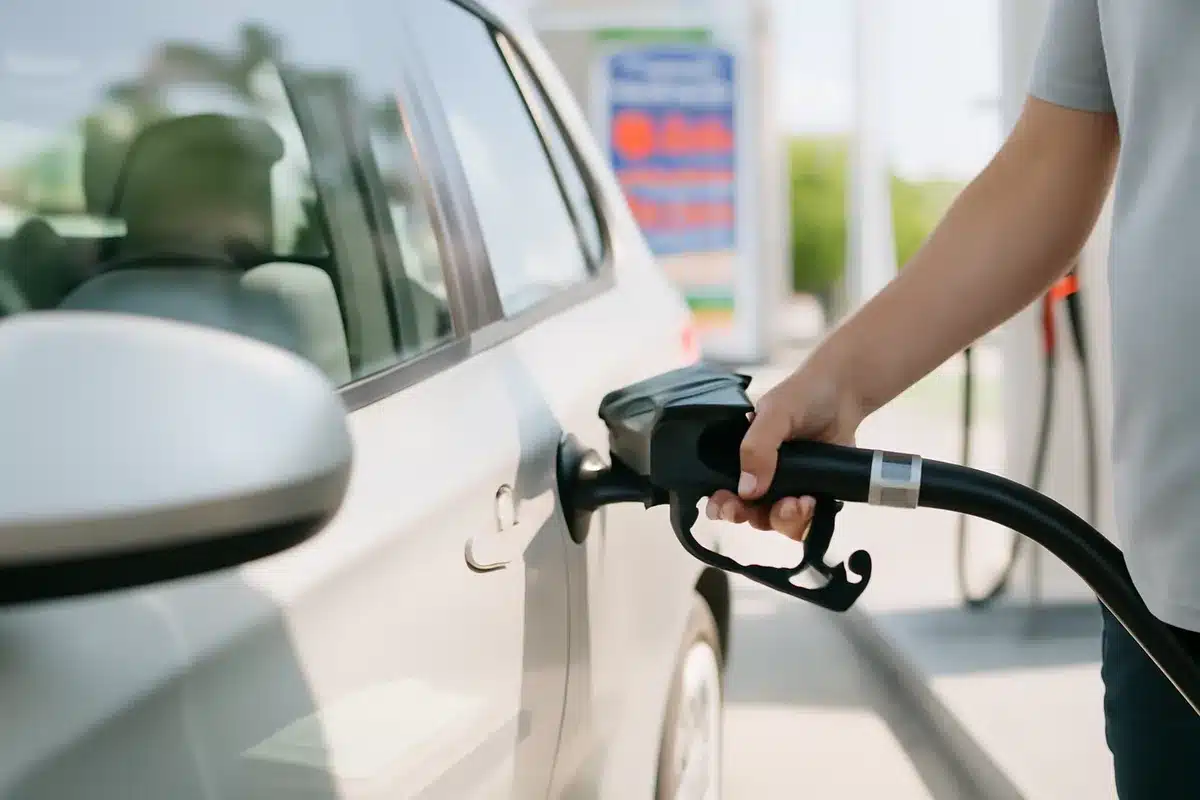
British motorists face a fresh shock at the pumps after reports that the US is considering a temporary ban on diesel exports. The move, linked to tensions with Iran, has already nudged European wholesale prices higher and sent alarm bells through fuel markets.
What a US diesel export ban would mean for UK fuel prices
Sources say Washington may impose a short, 90-day restriction on diesel shipments. That would be the first US energy export curtailment of this kind since the Obama years.
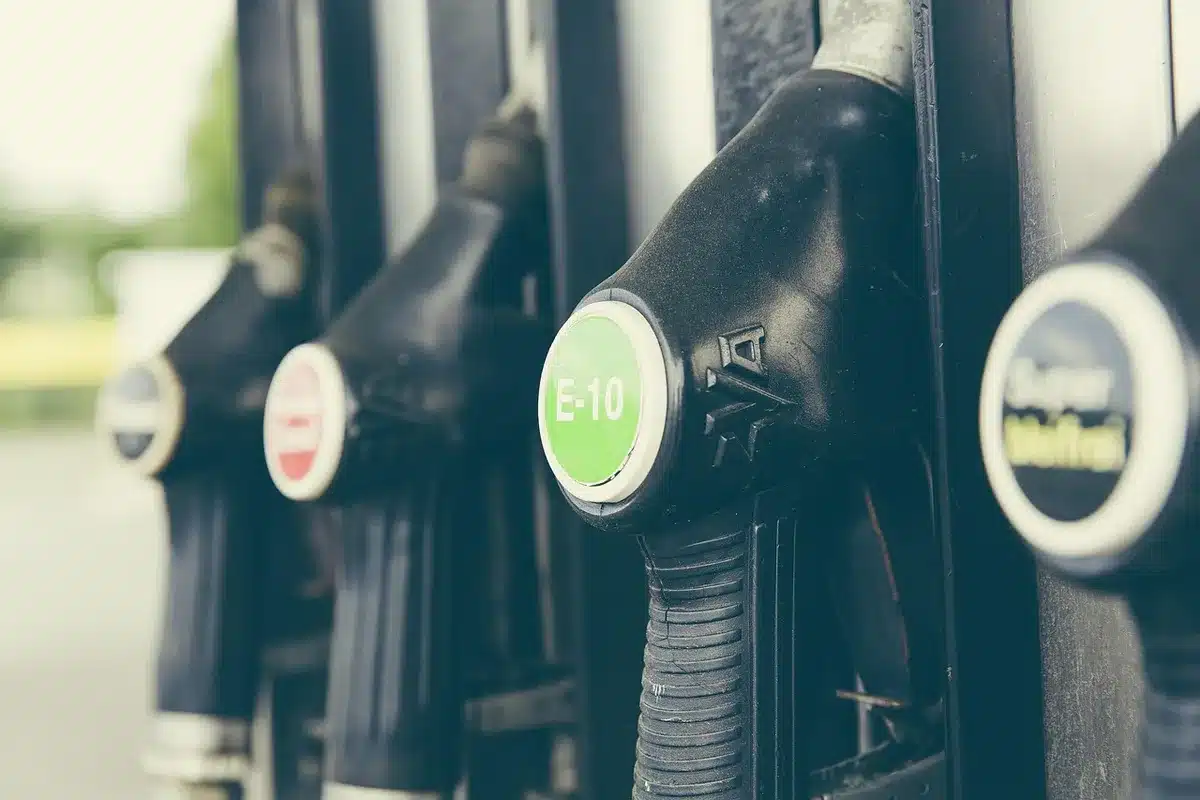
When talk of the ban surfaced, diesel prices in Europe climbed, while US wholesale rates fell. Traders say the shift reflects a sudden change in trade flows and supply expectations.
- Short-term impact: tighter European diesel supply and upward pressure on pump prices.
- Market reaction: volatility as refiners and distributors rebalance stocks.
- Policy angle: a temporary US export ban could trigger ripple effects across global fuel markets.
How much drivers are already paying
Fuel costs have been rising since the outbreak of conflict involving Iran. Diesel has climbed notably, adding around 55p per litre compared with prices at the start of the crisis.
For a typical 55-litre family tank, that increase translates to roughly £30 extra at current averages, lifting the cost to about £108.52. Petrol has also risen, with average unleaded running near 173.08p per litre.
Expert warnings: could diesel pass £2.50 or even £3 a litre?
Industry analysts are warning that further price spikes are possible if supplies tighten. One market analyst suggested diesel could climb “north of £2.50” and even approach £3 under extreme stress.
Commentators note the key question has shifted from whether diesel will exceed past highs to how far prices can rise above £2 a litre.
RAC and market voices on the outlook
RAC officials point to steady upward pressure on diesel averages and say only a sustained drop in crude prices would reverse the trend.
Another analyst warned UK diesel stocks could be drawn down in a matter of weeks if exports are restricted, which would amplify price moves at forecourts.
How the figures compare to past peaks
Although recent rises are steep, current petrol and diesel prices are still below the historic peak seen after the Russian invasion of Ukraine.
- Recent petrol average: ~173.08p per litre.
- Post-2022 peak: petrol reached around 191.54p per litre in July 2022.
- Diesel: significant increases since the Iran-linked tensions began.
Government statement and supply assurances
A Government spokesperson said forecourts continue to receive petrol and diesel normally and pointed to the diversity of supply sources serving the UK market.
Officials are monitoring the situation, but ministers stopped short of predicting pump prices.
Practical steps for motorists facing higher fuel costs
With prices under pressure, drivers can take small measures to limit impact on household budgets.

- Compare local forecourt prices using apps and websites.
- Plan trips to reduce unnecessary journeys and combine errands.
- Car-share where possible and consider public transport for some commutes.
- Keep tyres properly inflated and avoid excess idling to save fuel.
- Fill up sooner rather than later if you expect further price jumps.
What to watch next in fuel markets
Keep an eye on official announcements from the White House and statements from traders.
Key indicators to follow:
- Any confirmation of an export ban and its duration.
- Wholesale diesel and crude oil price movements.
- UK stock levels and refinery output reports.
Signals that could ease pressure
A sustained fall in global oil prices or a reversal in geopolitical tensions would be the most direct route to lower pump costs.
In the meantime, market watchers expect continued volatility, with sharp local price moves possible if supply perceptions shift again.
Similar Posts:
- Petrol prices to hit record highs for British drivers: Iran crisis threatens chaos
- Petrol and diesel drivers hit by fuel station shake-up after Rachel Reeves announcement
- Fuel prices could be slashed: huge update for petrol and diesel drivers
- Fuel savings for millions of petrol and diesel drivers: Tesco unveils crucial lifeline
- Fuel crisis: petrol and diesel drivers hit with £2bn extra since Iran war began

Naomi is a clean beauty expert passionate about science-driven skincare and natural remedies. She demystifies ingredients and shares routines that empower readers to glow — naturally.