
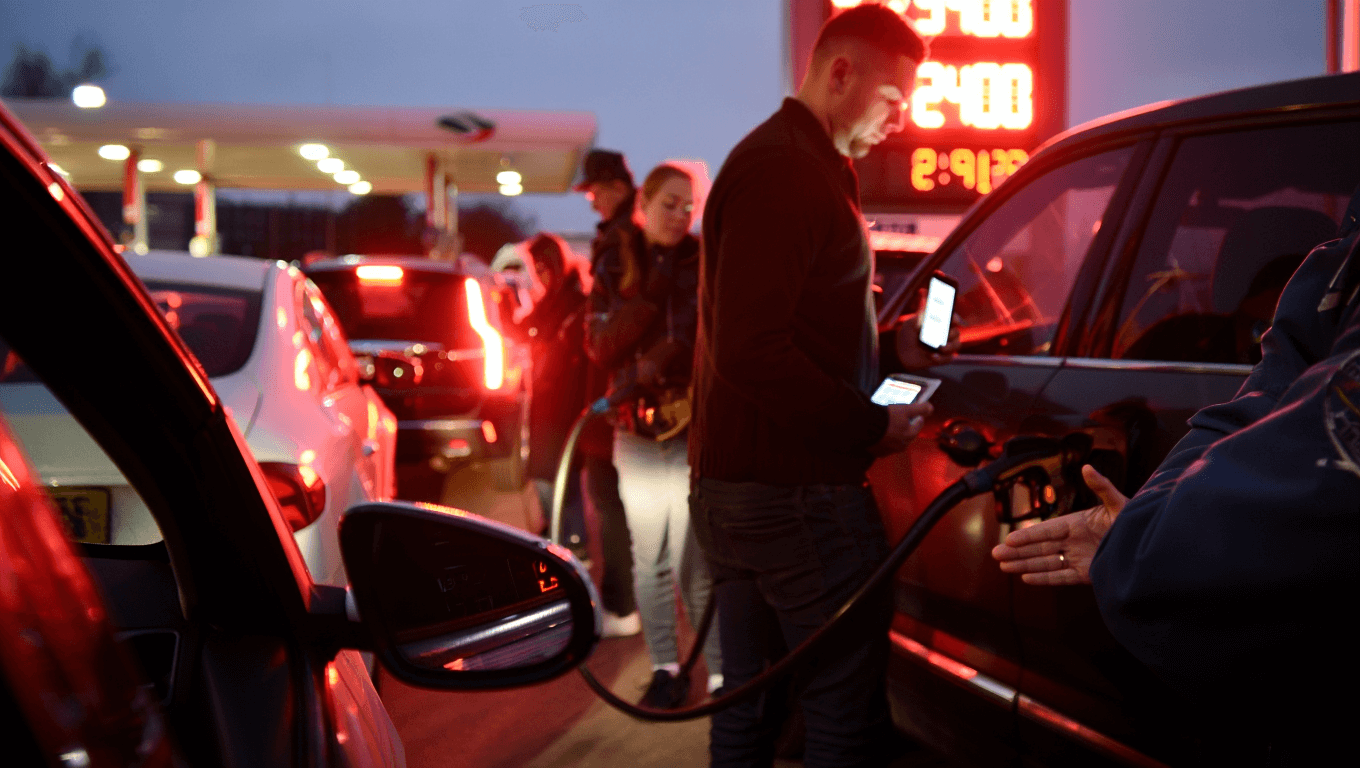
Drivers across the UK may soon see cheaper fuel at the pump after the Competition and Markets Authority opened a consultation on a proposed nationwide price-tracking system. The plan, known as Fuel Finder, would force filling stations to share real-time prices and outages, and it could change how motorists shop for petrol and diesel.
How Fuel Finder would report pump prices in near real time
The scheme would require fuel retailers to update price and availability data quickly. Under the draft rules, stations must disclose changes within a set window after any adjustment.
- Price updates: Retailers would send new price information soon after it changes.
- Outage reporting: Stations would flag when specific fuels are unavailable.
- Public access: The data would be published openly so comparison tools can use it.
Why the CMA backs an open data approach for fuel
The CMA proposed the initiative after reviewing the retail fuel market. Regulators argue that transparent price data strengthens competition.
Open feeds would let drivers spot cheaper pumps nearby. They could compare rates across towns and avoid stations that lag on passing wholesale savings to customers.
Who must sign up and what compliance might look like
Motor fuel traders are the main group affected. The CMA wants views from industry on how registration, monitoring and enforcement should work.
- Which businesses must register with the scheme.
- How reports should be submitted and validated.
- Options for penalties if a station fails to comply.
Consultation questions: penalties, complaints and enforcement
The CMA is asking for input on how to handle disputes and non-compliance. It lists several enforcement models and seeks evidence from traders and consumer groups.
- How complaints about incorrect feeds should be resolved.
- Whether fixed fines or graduated penalties are fair.
- How to verify the accuracy of automated price reports.
How this compares with Northern Ireland’s fuel price tool
Campaigners point to Northern Ireland’s Fuel Price Checker as a working model. That system shows cheapest, average and priciest pumps by area.
Drivers in Northern Ireland currently pay noticeably less on average. Latest figures show around 128.2p per litre for petrol and 134.3p for diesel there.
By comparison, UK-wide averages sit higher at roughly 135.19p for unleaded and 143.01p for diesel. The difference suggests greater transparency can deliver savings.
Potential savings and early examples from towns
Some towns already show significant gaps between the cheapest and most expensive stations. In places like Dungannon and Ballymena, petrol averages are among the lowest.
- Petrol in Dungannon has been near 124.9p per litre in recent listings.
- Diesel in Cookstown has been recorded close to 129.8p per litre.
- Such local variation highlights the value of up-to-date price feeds.
How drivers and businesses can respond to the consultation
The CMA wants evidence from consumers, motoring groups and businesses. Those with views about technical requirements, fairness and penalties are invited to reply.
- Submit feedback via the CMA’s consultation portal.
- Provide examples of price behaviour or tech feasibility.
- Suggest improvements to complaint handling and enforcement.
The consultation window closes at 5pm on Monday, November 3, so participants should act promptly to influence final rules.
Similar Posts:
- Petrol and diesel drivers hit by fuel station shake-up after Rachel Reeves announcement
- Fuel savings for millions of petrol and diesel drivers: Tesco unveils crucial lifeline
- Tesco, Asda, Morrisons and Sainsbury’s shoppers warned: check petrol station opening times now
- Fuel crisis: petrol and diesel drivers hit with £2bn extra since Iran war began
- UK drivers save on fuel and parking: act quickly

Naomi is a clean beauty expert passionate about science-driven skincare and natural remedies. She demystifies ingredients and shares routines that empower readers to glow — naturally.