

As Britain shifts from petrol to battery power, campaigners warn the Treasury faces a huge hole in revenues. A fresh policy paper urges urgent car tax reforms targeting SUVs, hybrids and fuel duty to secure billions for public coffers while keeping the electric vehicle rollout fair.
Why the UK’s vehicle tax model is under pressure
The move to ban new petrol and diesel sales by 2030, and to permit only zero-emission cars from 2035, creates a predictable decline in fuel duty receipts.
Transport & Environment (T&E) estimates the Government could lose around £50 billion in fuel duty by 2035–36 if no changes are made.
That shortfall has prompted calls for a redesigned approach to car taxation that keeps incentives for EV uptake while protecting public revenue.
Charging bigger cars more: the Large Vehicle Levy proposal
One headline idea is a levy aimed at heavy vehicles, especially SUVs.

- From 2027, large vehicles would incur a charge of £10 per kilogram for weight above 1,600kg.
- Electric vehicles would receive a 400kg allowance, recognising battery mass.
- Advocates say the levy could raise roughly £2 billion a year.
Proponents argue the tax would discourage oversized, fuel-hungry models and make vehicle taxation fairer across income groups.
Fixing first-year VED and the real-world emissions gap for hybrids
Current first-year Vehicle Excise Duty (VED) rules use test-cycle emissions that often understate real-world pollution for plug-in hybrids.
T&E highlights cases where a plug-in hybrid records low laboratory CO2 but emits far more in everyday driving. That creates undertaxed vehicles.
- Recalibrating first-year VED to reflect real-world emissions by 2027 could recover revenue and shift consumers toward pure EVs.
- An additional 5p eVED rate for hybrids is proposed to raise about £3.4 billion.
- A 10% first-year VED escalator from 2028 could add around £741 million by 2035.
Fuel duty: remove the cut and add an escalator, says the report
The paper recommends scrapping a planned 5p fuel duty reduction in 2027 and introducing a 5% annual escalator from 2028 instead.
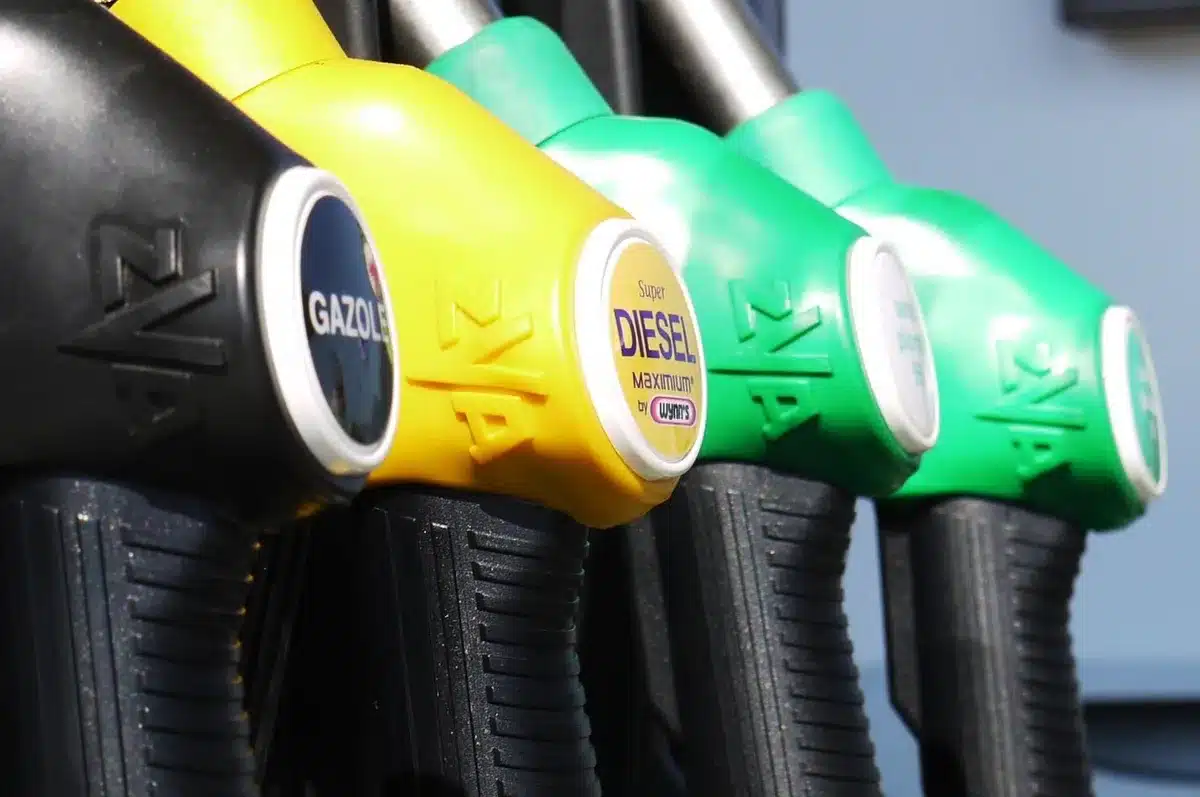
That single change is projected to generate roughly £44 billion by 2035.
Authors stress the burden would mostly fall on drivers of larger, thirstier vehicles, who tend to have higher incomes.
Money to raise and where it could go
Estimated revenue streams
- Revised first-year VED for plug-in hybrids: £1.4 billion by 2035.
- 5p eVED on hybrids: £3.4 billion.
- Large Vehicle Levy: roughly £2 billion annually.
- Fuel duty escalator: £44 billion to 2035.
T&E suggests the combined package could net around £64 billion for the Treasury by 2035, while keeping total vehicle tax revenue above 2026 levels.
Using revenues to widen access to electric cars
Rather than simply filling a fiscal gap, the paper urges ministers to use proceeds to make EVs accessible.
One proposal is a social leasing scheme to provide affordable electric cars to lower-income households.
- T&E estimates social leasing could help between 1.1 million and 4.6 million households.
- The idea aims to avoid a two-tier transition where only wealthier drivers benefit from cleaner vehicles.
Political implications: choices facing Labour and ministers
For any incoming government, the proposals create trade-offs between revenue, fairness and consumer signals.
Campaigners warn that reversing fuel duty cuts or taxing heavier vehicles too aggressively could be politically sensitive.
Supporters respond that a measured package, phased in from 2027, can protect incentives for EV adoption and secure stable funding.
How changes could affect drivers and the market
Drivers of large SUVs or plug-in hybrids that rarely run on electric power would pay more under the suggested reforms.
- Households with small EVs would gain from incentives and a fairer tax landscape.
- Manufacturers might accelerate development of lighter or more efficient EVs.
- Used-car markets for cheaper, cleaner vehicles could expand if social leasing is funded.
Debate and next steps for policy reform
Experts say targeted, revenue-raising measures can both replace lost fuel duty and keep the zero-emission transition on track.
Timing is key: many proposals target 2027 for the first reforms, with further escalators from 2028.
Ministers must weigh the fiscal benefits against political fallout and the need to keep EV adoption affordable.
Similar Posts:
- Car tax shake-up in Autumn Budget: Rachel Reeves urged to adopt changes hitting popular vehicles
- Thousands of drivers exploit car tax loophole: huge blow for Rachel Reeves
- Electric cars in UK: 170 models to choose from as new ones arrive every two weeks
- SUV drivers hit with surprise tax hike: millions face higher annual costs
- Pay-per-mile car tax could hit rural drivers: Rachel Reeves plan risks postcode penalty

Naomi is a clean beauty expert passionate about science-driven skincare and natural remedies. She demystifies ingredients and shares routines that empower readers to glow — naturally.