

On a cold morning in rural Missouri, a woman with congestive heart failure reached for her phone instead of packing for a long drive. Her nearest cardiology clinic was hours away. A small at-home monitor and a care team she never met in person began tracking her breathing, weight and rhythm. Within days, an adjustment to her treatment avoided a hospital trip. That shift from travel-heavy care to continuous virtual oversight is changing outcomes for patients across remote communities.
How remote monitoring is closing gaps in rural heart failure care
Rural patients often face long drives, limited clinic hours and fewer specialists. Remote monitoring turns those obstacles into manageable problems. Devices at home send vital signs to clinics in real time. Clinicians spot trends and intervene early.
- Continuous data replaces sporadic clinic snapshots.
- Alerts help clinicians act before symptoms worsen.
- Care teams can prioritize high-risk patients efficiently.
These systems do not replace in-person care. They extend the reach of heart teams and reduce preventable hospital visits.
What technology powers at-home heart failure monitoring
Remote heart failure monitoring relies on a mix of devices and cloud platforms. Typical components include weight scales, blood pressure cuffs, pulse oximeters and ECG patches.
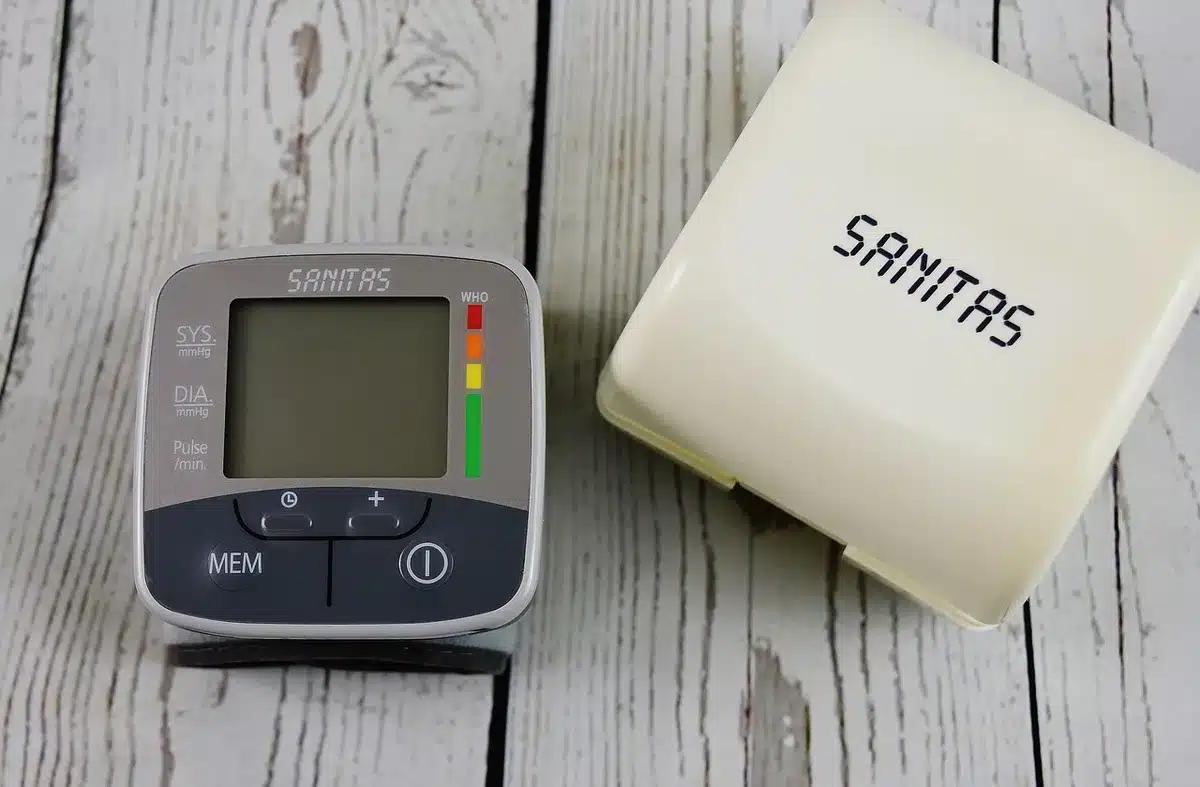
- Bluetooth-enabled scales measure daily weight trends.
- Portable ECG patches detect arrhythmias between visits.
- Cellular hubs upload data from homes without broadband.
Machine learning and rule-based algorithms flag concerning patterns. When thresholds are crossed, care coordinators receive alerts and contact the patient.
How alerts lead to faster interventions
Care teams set algorithms to recognize early signs of fluid retention or irregular rhythms. When the system flags a problem, a nurse or clinician reviews the data and calls the patient.
- Medication adjustments can be made without in-person visits.
- Education and coaching are delivered remotely.
- Emergency care is reserved for true crises.
Real patients, real changes: stories from rural clinics
Patients who once delayed care now report feeling monitored and safer. Anecdotes from rural clinics show fewer surprise admissions. Small interventions at home often prevent emergency escalation.
One patient avoided a night-long trip to the ER after a weight spike triggered a review. Another had a rhythm disturbance detected by a wearable before symptoms appeared. Those early fixes can lower stress and cut healthcare costs.
How hospitals and clinicians adapt their workflows
Introducing remote monitoring requires workflow redesign. Clinicians assign staff to monitor dashboards and respond to alerts. Billing and documentation practices evolve to include virtual care.

- Dedicated remote monitoring nurses coordinate follow-up.
- Protocols define when to escalate care to specialists.
- Integration with electronic records ensures continuity.
Successful programs pair technology with human roles. The device provides the data. Clinicians provide judgment and compassion.
Obstacles that still slow rural adoption
Barriers persist despite clear benefits. Broadband gaps, upfront costs and workforce shortages complicate rollouts. Some patients face technology anxiety or literacy challenges.
- Limited internet or cellular coverage in remote areas.
- Insurance and reimbursement rules that vary by region.
- Training needs for both staff and patients.
Addressing these issues requires coordinated investment from health systems, payers and local leaders.
Steps communities take to expand access
Many successful programs use practical solutions to overcome local challenges.
- Provide devices with built-in cellular connectivity.
- Offer hands-on training through community health workers.
- Set up centralized monitoring hubs that serve multiple clinics.
These tactics lower barriers and help sustain remote monitoring in less populated regions.
Policy, payment and the business case for rural telecardiology
Reimbursement is a key driver of growth. As payers recognize the value of readmission avoidance, remote monitoring gains financial support.
- Value-based contracts reward reduced hospitalizations.
- Time-based billing codes cover monitoring activities in some systems.
- Grants and pilot funds help launch new programs.
When payment aligns with outcomes, hospitals invest more in remote tools that keep rural patients healthier.
Future trends likely to shape remote heart failure care
Expect more integration of advanced analytics, wearable sensors and patient engagement tools. Voice assistants, smarter alarms and personalized alerts will refine monitoring.
- Predictive models may forecast decompensation days in advance.
- Wearables will become less intrusive and more accurate.
- Telemedicine visits will complement continuous monitoring.
These advances will aim to provide timely care without forcing long travel for patients in remote states like Missouri.
Practical tips for patients and caregivers
Starting remote monitoring is straightforward when you know what to expect.
- Keep devices charged and in one spot at home.
- Log daily measurements and report any new symptoms.
- Ask about cellular vs. Wi‑Fi requirements before enrollment.
- Ensure contact information for the care team is up to date.
Clear communication between patients and clinicians is crucial for success.
Similar Posts:
- oral semaglutide slashes heart failure risk in type 2 diabetes: landmark study
- Depression relapse detected early by wearable trackers: study
- Telehealth abortions surge 27% in 2025: demand spikes after Roe v. Wade was overturned
- OTC continuous glucose monitor for kids: FDA clears first prescription-free option
- Heart failure: weight loss drugs slash hospitalization and death risk by 40%

Cole is a passionate vegan dessert artist with a knack for turning indulgent classics into plant-based masterpieces. His sweet creations are where flavor meets conscious living.