
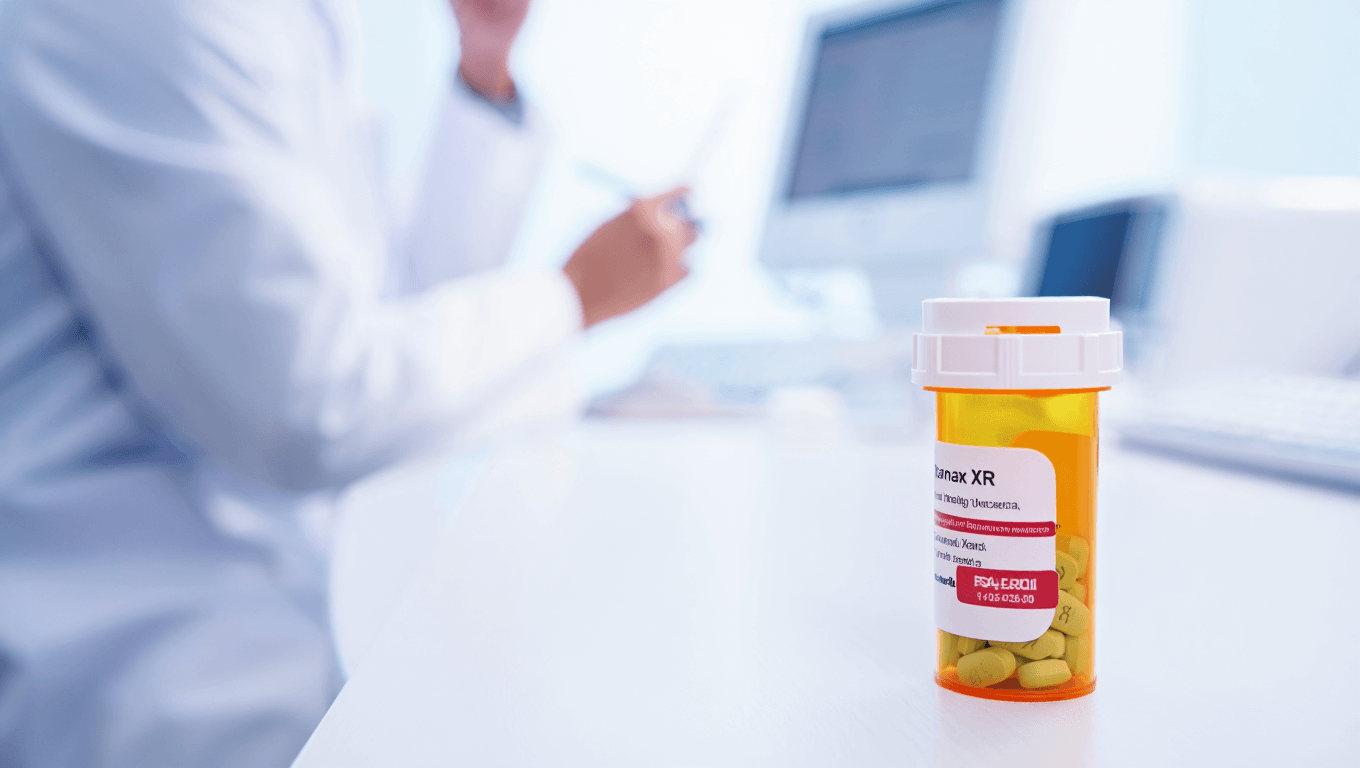
If you take extended-release alprazolam, commonly known as Xanax XR, pay attention: the FDA has flagged a recent recall of a specific production lot after tests suggested the pills might not deliver the intended therapeutic effect. Patients, pharmacists and clinicians are assessing potential impacts while regulators work with the manufacturer to trace affected supplies.
Which Xanax XR shipments are under review and why it matters
The recall targets one or more batches of alprazolam extended-release capsules. According to regulatory notices, quality testing found that the tablets may not release the active ingredient at the required rate. That can reduce symptom control for people using the medication for anxiety or panic disorders.
- Effectiveness concern: Sustained-release formulations rely on controlled release. If release is altered, symptom relief can be incomplete.
- Scope: The recall applies to specific lot numbers and expiration dates. Not all Xanax XR on the market is affected.
- Manufacturer action: The company notified distributors and retailers and initiated removal procedures while working with the FDA.
How reduced effectiveness shows up in patients
When an extended-release benzodiazepine underperforms, symptoms may return earlier or with greater intensity than expected. Clinicians caution that this can be misinterpreted as worsening illness.
Common warning signs to watch for
- Recurrent or intensified anxiety and panic attacks
- Early breakthrough symptoms before the next scheduled dose
- Insomnia, restlessness or agitation
- Elevated heart rate or tremors that were previously controlled
If you notice these changes, contact your prescriber immediately. Do not make dose changes on your own.
Immediate steps patients should take
- Locate the medication packaging and note the lot number and expiration date.
- Compare those details to the FDA recall notice or contact your pharmacy.
- If your lot is affected, follow the pharmacy’s instructions for return or safe disposal.
- Do not stop benzodiazepines abruptly. Sudden cessation can cause withdrawal symptoms.
- Speak with your prescriber about temporary alternatives or a taper plan if discontinuation is needed.
What pharmacists and clinicians are doing now
Pharmacies are checking inventories and quarantining any suspicious lots. Clinicians are reviewing patient lists to identify those prescribed the recalled product.
- Pharmacists will replace affected prescriptions when possible.
- Prescribers may arrange follow-up appointments or phone checks.
- Some patients may receive immediate substitutions of equivalent formulations that are not extended-release.
Understanding FDA recall categories and patient risk
The FDA classifies recalls by risk level. A recall for reduced effectiveness typically aims to prevent treatment failure rather than immediate physical harm.
- Class I: Dangerous or defective products that predictably cause serious health problems.
- Class II: Products that might cause temporary or reversible health problems.
- Class III: Products unlikely to cause adverse health consequences.
The agency and the manufacturer determine classification based on testing and clinical risk assessments.
Safety precautions and reporting
Patients and clinicians can help by documenting any suspected treatment failures and reporting them to regulatory bodies. This helps speed investigations and prevent further distribution of affected lots.
- Report adverse events to the FDA MedWatch program.
- Keep medication packaging until you confirm whether your lot is impacted.
- Ask your pharmacist for written guidance about returns and replacements.
Questions to ask your care team
- Is my prescription from the recalled lot?
- What are safe alternatives while this issue is resolved?
- How should I manage any return or exchange of medication?
- What signs of withdrawal or recurrence should prompt urgent care?
How to stay informed about the recall
Monitor official FDA communications and check with your pharmacy. Trusted sources and your prescriber will share updates as the investigation continues.
- Review the FDA’s recall database for lot-specific information.
- Follow guidance from your health system or pharmacy chain.
- Keep records of any communications and clinical notes if symptoms change.
Similar Posts:
- Thyroid medication recalled nationwide: act now if your pills are affected
- FDA flags over 3 million eye drop bottles: check if yours is affected
- FDA recalls IV fluids after possible fiberglass, stainless steel contamination
- Shredded cheese recall: over 1 million bags pulled for metal particles and listeria
- Morrisons allergy recall: do not eat mislabelled crisps after urgent warning

Cole is a passionate vegan dessert artist with a knack for turning indulgent classics into plant-based masterpieces. His sweet creations are where flavor meets conscious living.