
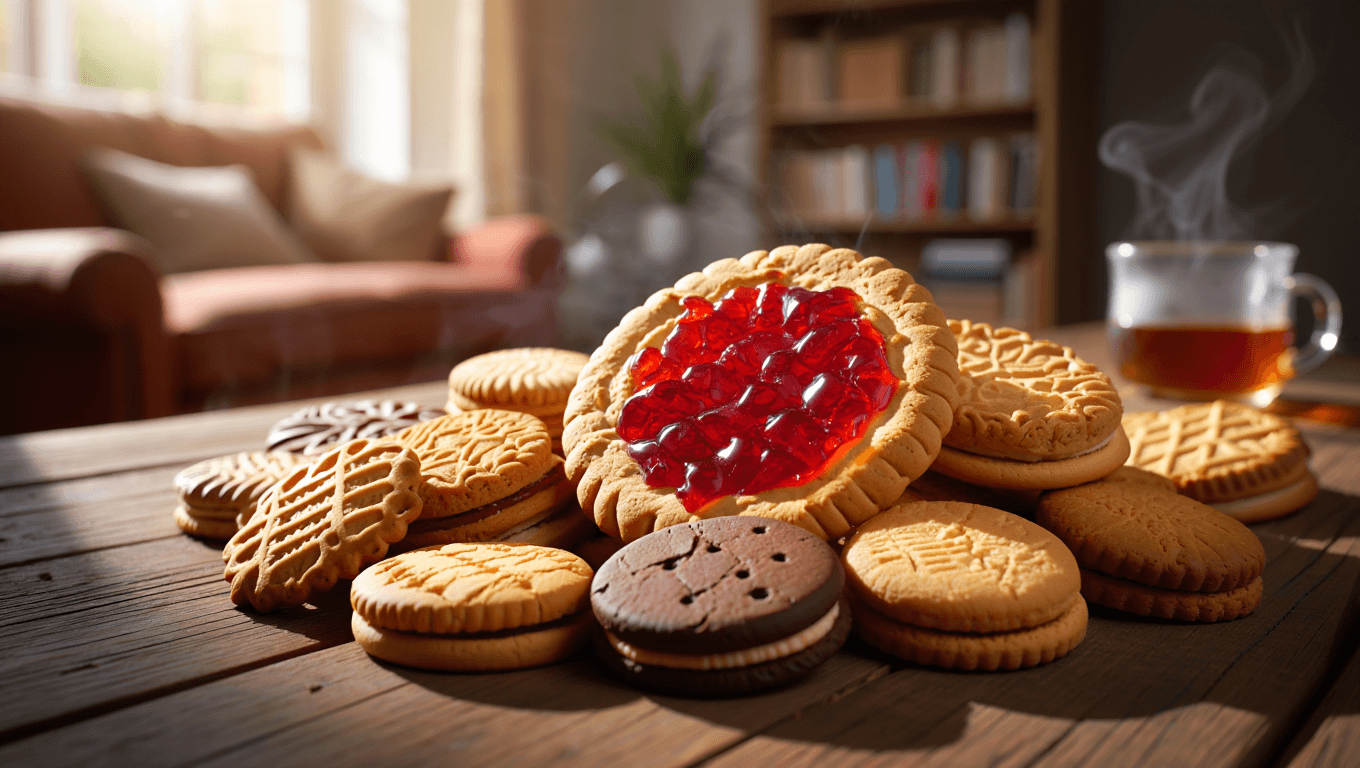
National Biscuit Day has sparked a fresh debate across the UK, as a new ranking of favourite biscuits mixes cherished classics with a few surprising omissions. The survey lifts the lid on what people really reach for with a cuppa, from chocolate-dipped favourites to baked staples that divide opinion.
Britain’s biscuit leaderboard: the favorites revealed
Data gathered by a market-monitoring programme showed which snacks topped shoppers’ lists. Familiar names dominate, but the order produced some unexpected results.
- Jaffa Cakes secured a high spot, placing third in the poll.
- Chocolate-filled bourbons remain a staple for many tea breaks.
- Custard creams continue to be widely loved, though they sat lower than some might expect.
The ranking reflects everyday choices as much as nostalgic loyalties. Sales trends in convenience stores helped shape the list.
The Jaffa Cake question: biscuit or cake?
The third-place finish for Jaffa Cakes reignited a long-running argument. Their layered design combines sponge, orange jelly and a chocolate coating.
Manufacturers once described the product as a cake. Tax authorities pushed back, and the discussion went to court. In the end, official rulings sided with the cake classification.
The Jaffa Cake debate highlights how small differences in texture and recipe can change how a treat is seen.
Scottish icons that missed the top slots
Some regional favourites scored lower than fans might expect. Two well-known treats from Scotland performed modestly in the national table.
- Tunnock’s Milk Chocolate Tea Cakes landed at 19th. The marshmallow-topped, chocolate-coated snack has a devoted following despite the ranking.
- Tunnock’s Caramel Wafer — a layered wafer with caramel and chocolate — placed a little higher at 17th.
Both products date back to the mid-20th century and are instantly recognised by their distinctive wrappers. They remain cultural touchstones, even if the data put them outside the top ten.
What the survey measured and why it matters
The research behind the list pooled sales and trend data from convenience-store tracking. The aim was to map what people actually buy, not just what they say they prefer.
- Shopper purchases gave a snapshot of national tastes.
- The list also flagged treats that provoke debate or nostalgia.
- Regional favourites sometimes underperformed when measured against nationwide sales.
Practical buying habits often reveal different favourites than memory or conversation.
Why biscuits still matter to British culture
Tea time remains a ritual for many. Biscuits serve practical and emotional roles, from a quick work snack to a family tradition.
Packaging, brand history and childhood memories all shape preferences. For manufacturers, those factors influence product design and marketing.
As shopping habits evolve, the list offers a current snapshot of how long-standing snacks fit into modern life.
Similar Posts:
- Asda revamps biscuit aisle with 20 new lines: beloved 90s treat returns
- Exclusive Launch: ‘Mouth-Watering’ Biscuit Hits Tesco in Iconic British Brand Collab!
- Strawberry shortcake recipe: classic, easy dessert everyone will love
- Chocolate fondant: easy recipe and Chef Damien’s secret for perfect texture
- Japanese cheesecake base: 5 ways to make it truly indulgent

Naomi is a clean beauty expert passionate about science-driven skincare and natural remedies. She demystifies ingredients and shares routines that empower readers to glow — naturally.