
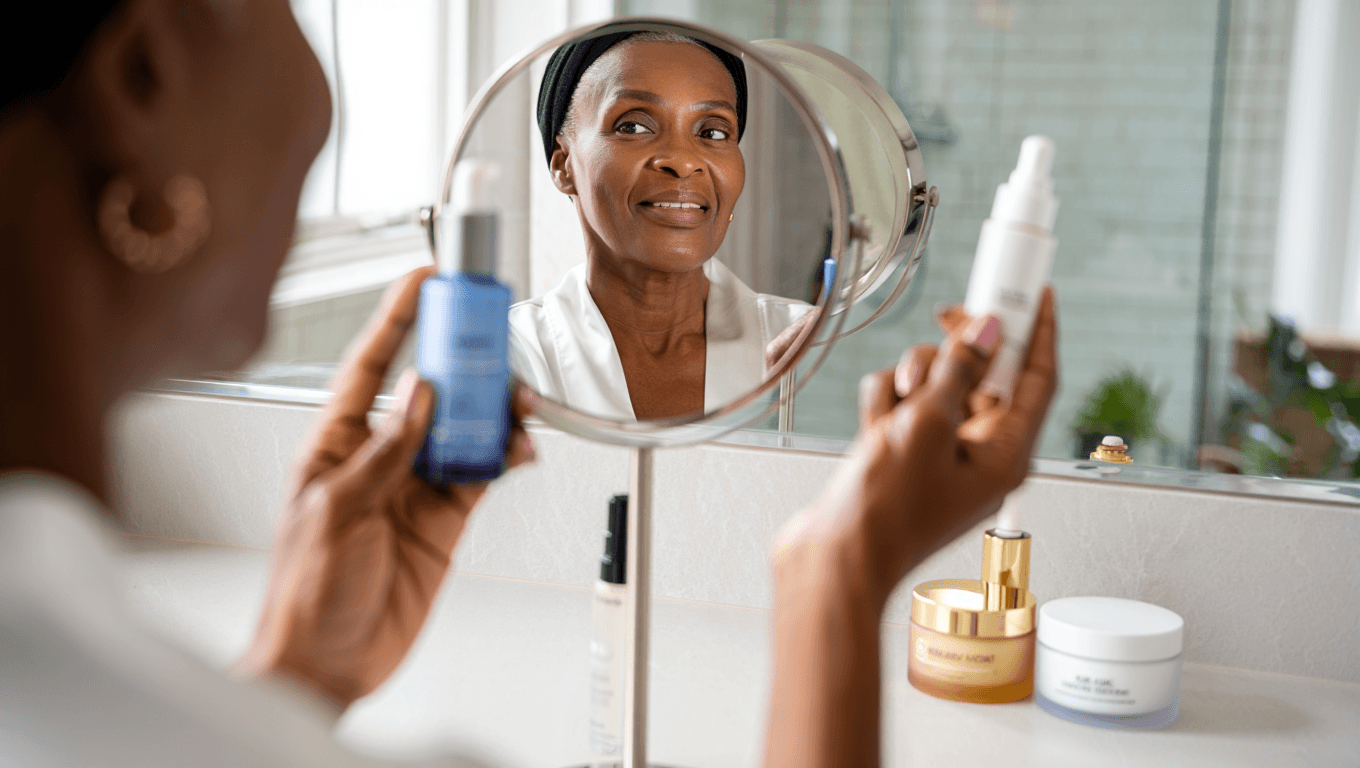
As skin matures, its needs shift. Texture changes, radiance can fade, and the ritual of skincare becomes more about nourishment than correction. Choosing the right face products for mature skin can restore comfort, glow, and confidence. Below you’ll find a practical guide to ingredients, routines, and selection tips to help you build a reliable, effective regimen.
Key ingredients that truly benefit mature skin
Knowing which actives to prioritize makes shopping simpler. Look for proven, science-backed ingredients that support firmness, hydration, and skin barrier repair.
- Retinoids: Encourage cell turnover and collagen production. Start with lower concentrations to minimize irritation.
- Peptides: Signal skin to rebuild structural proteins. They pair well with hydrating agents.
- Hyaluronic acid: Attracts and holds moisture. Use both lightweight serums and richer creams as needed.
- Vitamin C: Brightens, fights free radicals, and helps even tone. Stable formulas give the best results.
- Niacinamide: Calms inflammation, strengthens barrier, and reduces redness.
- Broad-spectrum SPF: Daily sun protection is the single most important step to prevent further aging.
Build a morning and evening routine for mature skin
Simple routines are easier to maintain. Focus on consistency and layering lightweight actives correctly.
Morning essentials
- Gentle cleanser to remove oils without stripping.
- Hydrating serum with hyaluronic acid or niacinamide.
- Antioxidant serum, such as vitamin C, for daytime protection.
- Moisturizer with ceramides or peptides.
- Sunscreen every day, broad-spectrum SPF 30 or higher.
Evening basics
- Double-cleanse if you wore makeup or sunscreen.
- Apply targeted treatments: retinoid or peptide serum.
- Follow with a richer moisturizer to lock in hydration.
- Use eye cream for delicate undereyes if needed.
Targeted products to consider by concern
Different issues call for targeted approaches. Choose products that address your top concern without overloading the skin.
- Fine lines and wrinkles: Use tretinoin or retinal alternatives under guidance. Combine with peptides and hydration.
- Loss of firmness: Look for products with collagen-boosting peptides and firming peptides.
- Dryness and flakiness: Rich creams with ceramides, shea butter, or squalane restore lipids.
- Uneven tone and spots: Vitamin C, gentle chemical exfoliants, and niacinamide help even out discoloration.
- Sensitivity: Choose fragrance-free, minimal-ingredient formulations. Patch test new treatments.
How to test and select the best products
Smart selection reduces waste and irritation. Follow these practical steps before committing to a full-size product.
- Read labels for active concentrations and order of ingredients.
- Buy travel sizes or samples when possible.
- Perform a patch test on the inner forearm for 48 hours.
- Introduce one new product at a time for two to four weeks.
- Consult a dermatologist for prescription actives or persistent issues.
Application tips to maximize effectiveness
How you apply a product can be as important as what you apply. Small technique changes add up.
- Apply serums to damp skin to enhance absorption.
- Layer thinnest to thickest: liquids, serums, creams, oils.
- Give retinoids time to work; start twice weekly and increase gradually.
- Massage gently to boost circulation and lymphatic drainage.
- Store active serums in a cool, dark place to preserve potency.
What to avoid when shopping for mature skin
Certain ingredients and habits can undermine progress. Avoid these common pitfalls.
- Alcohol-heavy toners that strip natural oils.
- Strong fragrances that can trigger irritation.
- Over-exfoliating with multiple chemical acids at once.
- Skipping sunscreen on cloudy days or indoors near windows.
Budgeting and value: where to invest
Not every product needs to be expensive. Allocate budget to treatments that deliver real results.
- Invest in a reliable sunscreen and a retinoid or peptide serum.
- Choose affordable hydrating creams and basic cleansers.
- Save on extras like scented lotions or trendy accessories.
When to seek professional help
If topical routines stall, professionals can offer options beyond over-the-counter products.
- Board-certified dermatologists for prescription retinoids and medical advice.
- Licensed aestheticians for in-clinic treatments like resurfacing.
- Discuss medical history and medications that affect skin sensitivity.
Similar Posts:
- Cindy Crawford’s meaningful beauty starts at $20: shop the magic in a bottle serum on Amazon
- Summer Fridays eye cream: instant espresso shot for tired under-eyes
- 74-year-old reveals skin secret: same product she’s used for years
- Thicker hair: hairstylist to Margaret Qualley recommends one product for a fuller look
- Dermatologist Reveals Must-Have Anti-Aging Skincare Often Missed by Many

Health advocate and wellness researcher, Dr. Monroe brings clarity to confusing health trends with science-backed advice. Her mission is to help readers live vibrantly, from the inside out.