
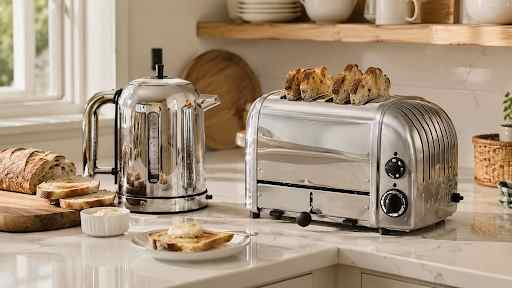
A kitchen upgrade does not have to begin with a renovation. In many homes, the better first move is to look at the appliances that never leave the counter, the toaster used before school, the kettle filled more than once a day, the coffee maker that starts the morning, or the compact tools that make cooking easier without taking over the room.
These are the pieces that shape daily use. They are also the ones most likely to become clutter when they are bought quickly, chosen for novelty, or replaced every few years. For a more durable breakfast setup, many buyers compare classic options such as Dualit toasters because they are looking for something more specific than another basic appliance: a toaster with a recognizable design, simple controls, useful capacity options, and a look that can stay on the counter without feeling temporary.
Start With the Appliances That Never Leave the Counter
A good small-appliance upgrade begins with frequency. When an appliance is used daily and stored in plain sight, it deserves more attention than a tool kept in a cabinet for occasional use.
The toaster is a useful example. It may not be the most expensive appliance in the kitchen, but it is often one of the most visible. It has to handle sliced bread, bagels, English muffins, frozen waffles, and quick breakfasts without becoming a source of frustration. If the lever feels weak, the browning is inconsistent, or the shape takes up too much space, the problem is noticed every morning.
The same is true of kettles, coffee makers, and compact countertop ovens. A kitchen can look organized but still function poorly if the tools used most often are unreliable or awkward. Before adding more gadgets, it is usually smarter to upgrade the pieces that already have a permanent role.
This is where a classic toaster for modern kitchens can be more than a style choice. The right model should fit the household’s pace. Oversizing wastes counter space. Undersizing creates daily friction.
Prioritize Repairability Over Extra Features
Many small appliances are marketed around settings, presets, and finish choices. Those details can be useful, but they are not the same as long-term value. A more important question is what happens when a part wears out.
The U.S. Environmental Protection Agency’s durable-goods data shows why this matters. In its small-appliance category, the EPA reported 2.2 million tons of waste generated, with only 5.6% recycled and 75.9% landfilled. That points to a common issue with household appliances: when repair is difficult or unavailable, replacement becomes the default.
Not every appliance needs to be built like a commercial machine. But for a toaster, kettle, or coffee maker used daily, the ability to maintain the product can matter more than a long list of rarely used settings.
Choose Materials and Finishes That Can Outlast a Trend
Countertop appliances are part of the room’s visual field. That does not mean they need to be decorative, but they should work with the kitchen rather than fight it.
Stainless steel, chrome, black, white, and restrained color finishes remain common because they adapt well. They can sit with stone counters, painted cabinets, wood shelves, brass hardware, or modern tile without making the kitchen feel locked into one moment.
This is especially important for a premium toaster for everyday use. A toaster is rarely hidden after every breakfast. If it stays on the counter, it should look intentional and remain easy to pair with future changes in the room.
A good test is whether the appliance would still make sense after a cabinet repaint, a hardware update, or a new backsplash. If the answer is yes, the design is more likely to age well.
Build a Breakfast Station, Not a Gadget Collection
A better breakfast area does not need many pieces. It needs the right pieces arranged well.
Start with the toaster location. It should sit near bread storage, plates, and a cutting surface if possible. Keep a breadboard nearby if you slice bread at home. Add a butter dish, jam, honey, or a small tray only if those items are used often. If tea is part of the morning routine, a kettle can sit nearby to keep the area efficient.
This approach keeps the counter useful instead of crowded. A stainless steel toaster for a breakfast station works best as part of a simple system: toast, serve, clean up, and move on.
The U.S. Energy Information Administration reported that 79% of U.S. households prepared at least one hot meal at home each day in 2020. Even as schedules change, that statistic reinforces the point that kitchens remain working rooms. Small appliances should support routine, not complicate it.
Avoid Buying for the Version of Yourself Who Cooks Once a Year

A common mistake is buying an appliance for an imagined future habit rather than an existing one. A specialty gadget may seem useful in the store, but if it solves a problem that rarely arises, it is unlikely to earn its spot on a counter or in a cabinet.
A better method is to list the appliances used in a normal week. Which ones are frustrating? Which ones are difficult to clean? Which ones are visible but unattractive? Which ones slow down the household at the same time every day?
This makes the upgrade decision more grounded. For many homes, a durable toaster, reliable kettle, or better coffee setup will have more impact than a novelty appliance with limited use.
BBC Good Food’s kettle buying guidance focuses on practical criteria such as capacity, wattage, pouring comfort, and ease of use. The same kind of thinking applies across the small-appliance category. The best choice is not always the one with the most features. It is the one that best fits how the kitchen is actually used.
Know When a Premium Appliance Is Worth It
A premium small appliance is not automatically the right choice. If a toaster is used only occasionally, a basic model may be enough. If counter space is extremely limited, size may matter more than finish. If the household does not eat breakfast at home, another appliance may deserve the upgrade first.
But when an item is used daily, remains visible, and affects the pace of the morning, spending more can make sense. The value comes from fit, construction, repairability, and the likelihood that the appliance will still feel appropriate years from now.
That is the real standard for timeless countertop appliances. They do not need to announce themselves. They need to work well, clean easily, suit the kitchen, and avoid becoming another short-cycle purchase.
Final Takeaway
The most useful kitchen upgrades are often the least dramatic. Replacing one visible, frequently used appliance with a better-built option can improve how the room functions every day.
For a breakfast area, the toaster is a logical place to start. Choose the right capacity, look for durable materials, avoid unnecessary features, and consider whether the product is maintainable. A small appliance that earns its counter space is not just a design choice. It is a practical decision that supports a cleaner, calmer, and more efficient kitchen routine.
Similar Posts:
- Aldi limited-edition kitchen range: full list of gorgeous items out today
- Air fryer vs. oven: what you need to know before making the switch
- McDonald’s saucy breakfast sandwich arrives after successful trial: a proper breakfast treat
- Ninja soup makers slashed: bestselling models marked down in big winter sale
- Eggs: the bad habit that increases the risk of bacteria growth

Naomi is a clean beauty expert passionate about science-driven skincare and natural remedies. She demystifies ingredients and shares routines that empower readers to glow — naturally.