
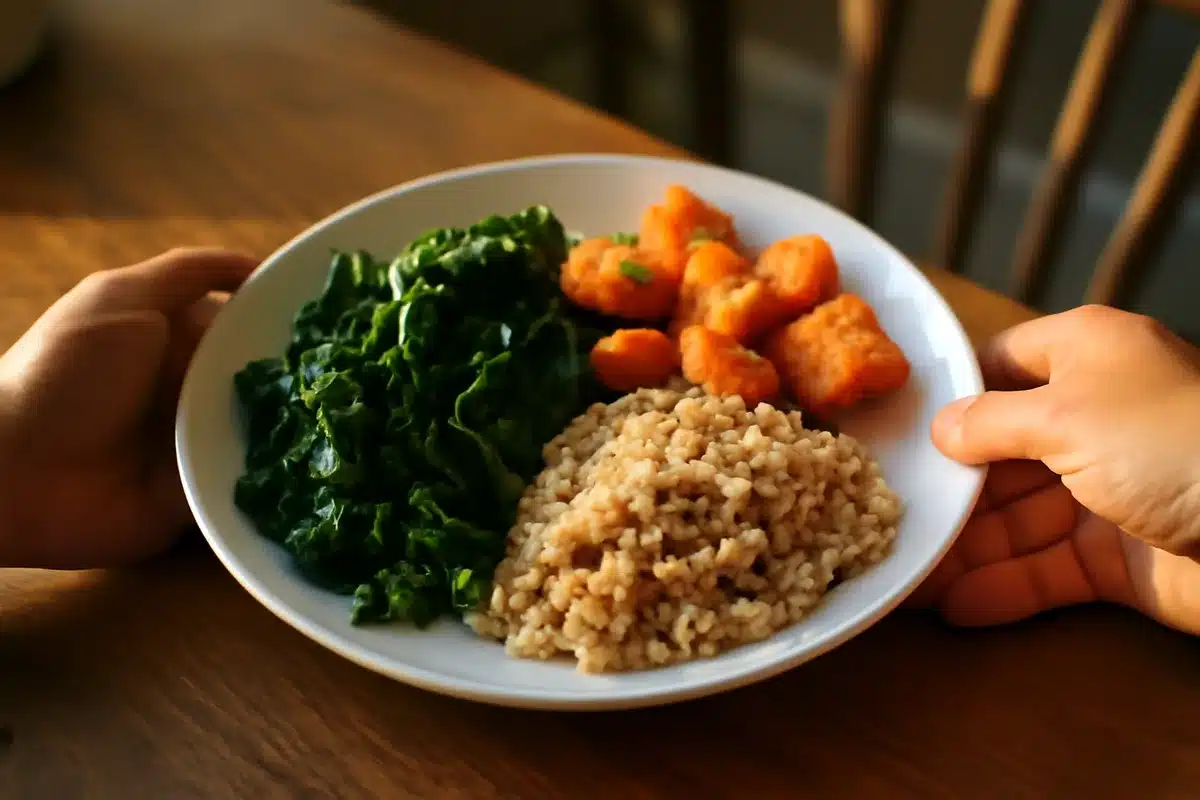
When a simple trend from TikTok promises an easy path to healthier plates, curiosity spreads fast. The “3-color rule” and the broader idea of “eating the rainbow” have become shorthand for quick diet fixes. But beyond the viral clips, there are real nutritional reasons this approach can help with weight loss and better health.
What the TikTok 3-Color Rule Actually Means
The 3-color rule asks you to include at least three different colored foods on your plate at each meal. Colors usually come from fruits, vegetables, whole grains, and sometimes proteins or sauces. The goal is visual variety, which often translates into nutrient variety.
- Red might be tomatoes, strawberries, or red peppers.
- Green could be spinach, broccoli, or avocado.
- Yellow/orange includes carrots, squash, or mango.
This rule is easy to follow, visible at a glance, and requires no calorie counting. For many people, that simplicity is the biggest draw.
How ‘Eating the Rainbow’ Links to Weight Loss
Colorful foods are usually high in fiber, water, vitamins, and antioxidants. These nutrients promote fullness and lower calorie density. That helps reduce overall calorie intake without feeling deprived.
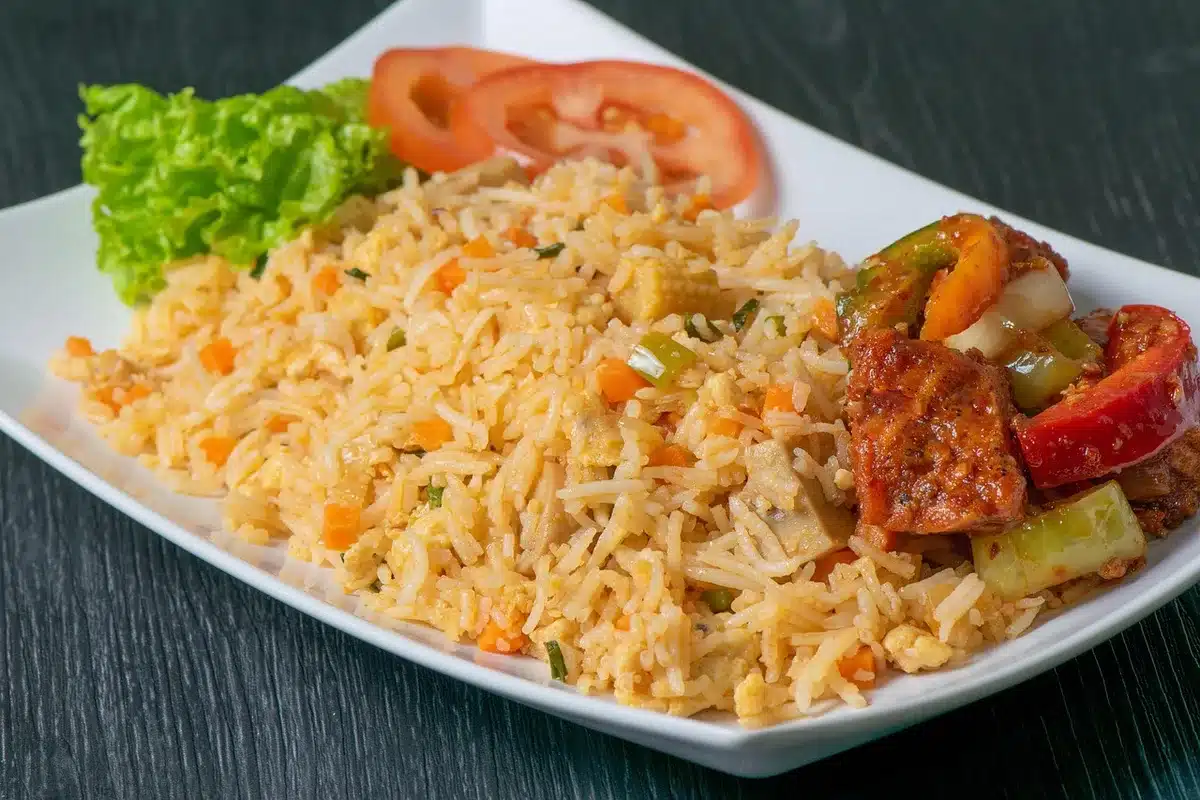
Key mechanisms behind the effect
- Fiber slows digestion and increases satiety.
- High water content raises volume without adding calories.
- Phytonutrients may support metabolism and inflammation control.
Eating a variety of colors often replaces ultra-processed options, which cuts added sugars and unhealthy fats from the diet. That swap alone can produce measurable weight loss over weeks.
Practical Steps to Apply the 3-Color Rule
Turn the idea into a routine with small, repeatable choices. Start by scanning your plate before you eat.

- Aim for one green, one red or orange, and one neutral or whole grain.
- Use herbs or citrus to add color and flavor without calories.
- Prep colorful snacks like bell pepper strips, berries, or carrot sticks.
- Batch-cook vegetables and roast a rainbow tray for several meals.
Keep meals simple. A balanced plate could be brown rice, sautéed kale, and roasted beets, or a salad with mixed greens, cherry tomatoes, and grilled chicken.
Sample Day: Meals That Follow the Rule
Below are practical examples you can try or adapt.
- Breakfast: Oatmeal with blueberries, sliced banana, and a sprinkle of cinnamon.
- Lunch: Whole-grain wrap with mixed greens, roasted red pepper, and hummus.
- Snack: Greek yogurt with kiwi and a handful of nuts.
- Dinner: Grilled salmon, steamed broccoli, and sweet potato wedges.
When the Rule Falls Short: Limits and Considerations
The 3-color rule is a useful heuristic, not a complete diet plan. Color doesn’t guarantee balance or portion control. Some colorful foods are high in sugar or fats.
- Fruit juices and sweet sauces can add calories despite color.
- Processed foods may be dyed and still lack nutrients.
- People with special medical needs need tailored guidance.
For sustained weight loss, combine color-focused meals with portion awareness, protein at each meal, and regular activity.
What Nutrition Experts Say About the Trend
Dietitians appreciate the concept for promoting whole foods and variety. They caution against overreliance on visuals alone. Experts recommend pairing the 3-color rule with evidence-based practices.
- Prioritize whole, minimally processed items.
- Include adequate protein to preserve muscle during weight loss.
- Check portion sizes and overall calorie balance.
Experts call the rule a good starting point for people who struggle with where to begin. It lowers barriers and builds better habits.
Tips to Keep the Trend Safe and Effective
Use these quick rules to avoid common pitfalls and make the approach last.
- Read labels to avoid hidden sugars in colorful products.
- Combine colors with lean proteins and healthy fats.
- Rotate produce seasonally to maximize nutrients and flavor.
- Track progress with simple measures: energy levels, clothing fit, and strength.
Questions People Often Ask About Eating the Rainbow
Does color equal nutrition?
Not always. Color signals certain phytonutrients, but nutrients vary within color groups. Choose whole foods over processed items.
Is this approach enough for major weight loss?
It helps many as part of a broader plan. Significant weight loss often requires more comprehensive changes in calories, activity, and behavior.
Can kids follow the 3-color rule?
Yes. Making plates colorful can encourage picky eaters to try new foods. Keep portions and textures age-appropriate.
Similar Posts:
- Same meals every day could supercharge weight loss: new study
- Diet quality vs calorie counting: which drives weight loss?
- Shed Belly Fat Fast: See My Results From Just 10 Minutes of Cardio Daily!
- Long-term weight loss: 3 foods to eat freely for lasting results, dietitian says
- Discover How a Man Dropped 33 Pounds and Sculpted His Body: 3 Key Diet Shifts Revealed!

Cole is a passionate vegan dessert artist with a knack for turning indulgent classics into plant-based masterpieces. His sweet creations are where flavor meets conscious living.