
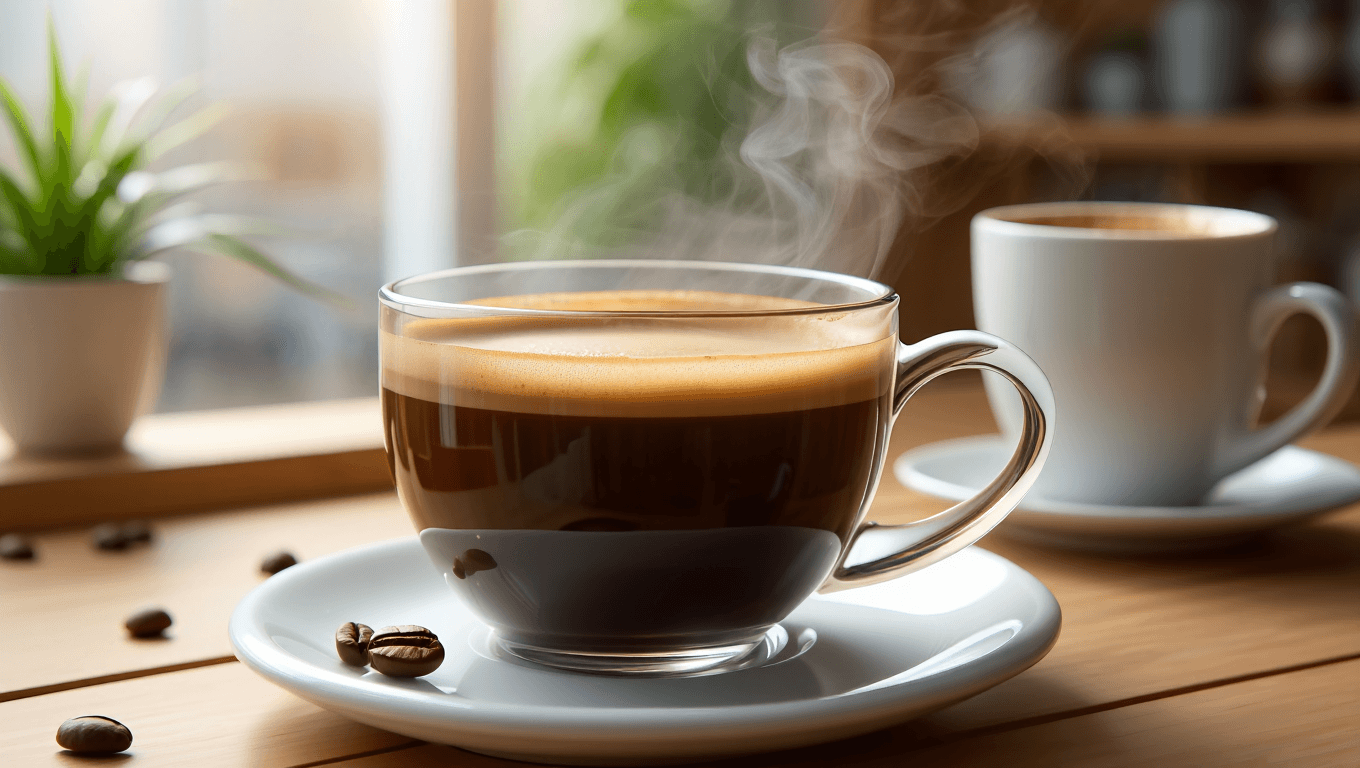
Coffee lovers have new reason to raise a cup: recent lines of research suggest coffee can change gut bacteria in ways that may help dampen stress. The effect is surprising because it appears even decaffeinated brews can shift microbial communities and influence brain signaling. Scientists are still mapping the pathways, but the idea that your morning mug could affect mood through gut microbes is gaining traction.
How coffee reshapes the gut microbiome
Coffee delivers more than caffeine. It contains polyphenols, soluble fiber, and other compounds that pass through the digestive tract and interact with microbes. These interactions can change which bacteria flourish and which decline.
- Polyphenols feed some beneficial bacteria while inhibiting harmful strains.
- Roasting produces bioactive compounds that modulate microbial activity.
- Even without caffeine, decaf retains many of these plant-based molecules.
By altering the balance of gut bacteria, coffee may influence metabolites that affect inflammation and brain signaling.
Links between microbiome changes and reduced stress
Researchers propose several routes by which gut shifts could ease stress. Some mechanisms are well-established in animal models. Others are being explored in human studies.
- Microbial production of short-chain fatty acids can lower systemic inflammation.
- Certain bacteria help synthesize or modulate neurotransmitters like serotonin.
- The gut signals the brain via the vagus nerve and immune mediators.
These pathways connect microbial changes to measurable effects on mood and stress responses.
What studies are observing
- Changes in relative abundance of bacteria linked to stress resilience.
- Improved markers of inflammation after regular coffee consumption.
- Behavioral and physiological signs of lower stress in some animal experiments.
Why decaf can still influence mood and microbes
Decaffeination removes most caffeine but leaves many other compounds intact. Polyphenols and Maillard reaction products survive the process.
That means decaf can still feed and inhibit gut microbes, producing metabolic shifts similar to regular coffee.
- Decaf often contains comparable levels of polyphenols.
- Some roasting-derived molecules remain after decaffeination.
- Caffeine-free options avoid stimulant effects while retaining microbiome activity.
How to enjoy coffee in a gut-friendly, stress-aware way
Small choices can maximize benefits and reduce harms. Consider how you brew, what you add, and when you drink.
- Prefer moderate amounts: excessive intake can disrupt sleep and raise stress.
- Limit sugar and heavy creams that harm microbial diversity.
- Try both regular and decaf to see how your body responds.
- Pair coffee with fiber-rich foods to support beneficial bacteria.
- Time consumption away from late evening to protect sleep quality.
Who should be careful about coffee and gut health
Coffee is not universally helpful. Some people may experience negative effects that outweigh potential microbiome benefits.
- Those with gastroesophageal reflux or irritable bowel syndrome may worsen symptoms.
- Pregnant people should follow clinical guidance on caffeine and beverage intake.
- Interactions with certain medications can make coffee risky.
- People with severe anxiety might find caffeine amplifies symptoms, even if decaf helps microbes.
What remains uncertain and what scientists want to test next
While patterns are emerging, causal links between coffee-driven microbiome changes and stress reduction need stronger proof.
- Longer human trials that track mood, microbial shifts, and metabolites.
- Studies that compare different roasts, brewing methods, and decaf processes.
- Research into individual variability and personalized recommendations.
Consumers should view coffee as one factor among many that shape gut health and stress resilience.
Similar Posts:
- Coffee: 2-3 cups a day could slash stress and boost mental health
- Morning coffee may significantly lower heart disease and dementia risk
- Coffee may boost your health: new research reveals surprising benefits
- Longer life tied to 8 nutrient-dense foods: doctor reveals
- Coffee: up to 5 cups a day safe for heart health, AHA says

Cole is a passionate vegan dessert artist with a knack for turning indulgent classics into plant-based masterpieces. His sweet creations are where flavor meets conscious living.