

When actor Michael J. Fox received a Parkinson’s diagnosis at a young age, he turned a shocking personal moment into a global movement. His choice to speak openly about the disease and to fund aggressive scientific research reshaped how the public and scientists view Parkinson’s. This story charts the path from a private struggle to a public campaign that has driven research funding, patient support, and hope.
How a youthful diagnosis reshaped a career and a cause
At 29, he faced a life-altering medical reality. Rather than retreat, he chose visibility. His openness changed perceptions about Parkinson’s. It showed disease does not follow a single script.
Michael J. Fox used his platform to spotlight a condition often misunderstood. His advocacy blurred the line between celebrity and organizer. That shift made Parkinson’s research a mainstream topic.
The birth of a research engine: mission and early momentum
In 2000 he founded the organization now known widely for driving Parkinson’s research. The foundation set clear priorities: accelerate treatments, promote collaboration, and support patients.

The Michael J. Fox Foundation aimed to fund high-impact science. It invested in projects that de-risk drug development. That strategy encouraged industry and academia to move faster.
Where the foundation focuses its investments
Funding choices reflect a long view of getting better therapies to patients. The foundation targets gaps that often get overlooked.
- Biomarker discovery to detect Parkinson’s early.
- Drug development and repurposing existing medicines.
- Large-scale clinical trials to test promising therapies.
- Data-sharing platforms to accelerate collaboration.
- Support for young investigators to sustain the field.
Major milestones and scientific wins
Over the years, the foundation has shaped the research agenda. It has seeded studies that went on to larger trials. It promoted a culture of open science.
Key efforts include creating standardized tools for researchers and funding infrastructure that other funders often avoid. These moves help shorten the time from discovery to clinic.
How public awareness and fundraising changed the landscape
His fame turned headlines into fundraising power. Celebrity attention brought new donors and new scrutiny.
- High-profile campaigns made donations more visible.
- Events and partnerships increased public engagement.
- Media stories humanized people living with Parkinson’s.
Those dollars fuel lab work, clinical studies, and patient programs. The result is a larger, more coordinated effort against the disease.
Programs that help patients and families now
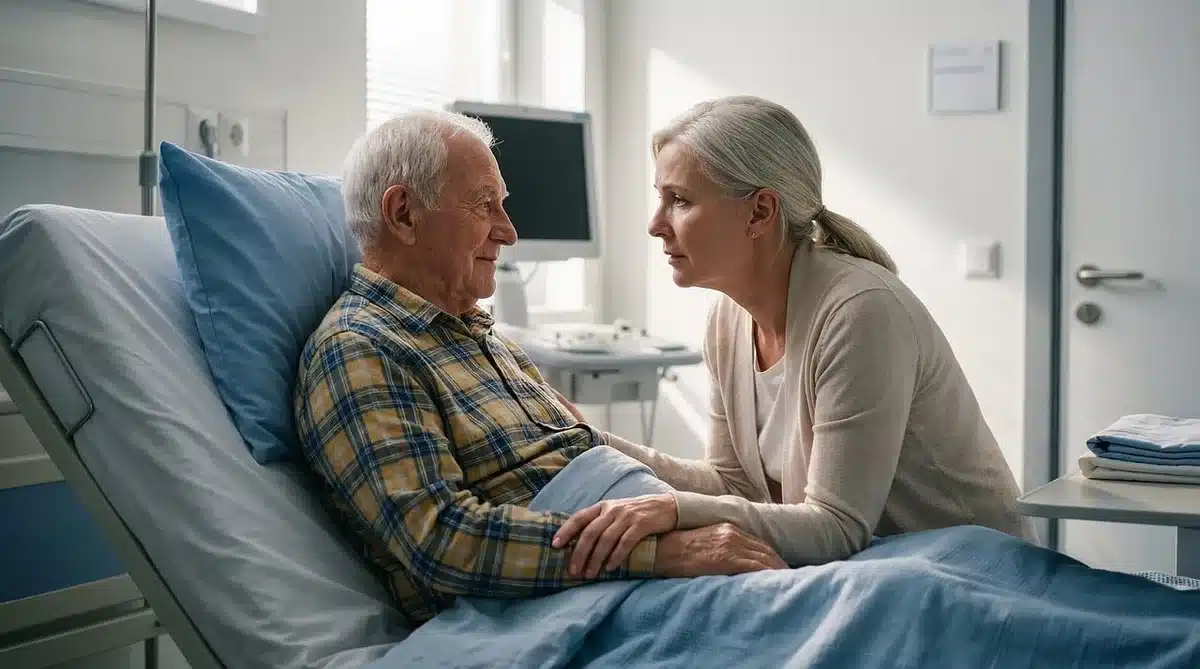
The foundation does more than fund labs. It builds resources for people living with Parkinson’s.
- Educational materials for patients and caregivers.
- Grants for community-based programs and clinical centers.
- Tools that connect patients with clinical trials.
These services aim to improve daily life while science pursues longer-term cures.
Partnerships with industry and academia
Collaboration is central to the foundation’s strategy. It partners with drug companies, research institutions, and other nonprofits.
By sharing data and standardizing measures, the foundation reduces duplication. It also helps promising programs scale quickly.
Challenges that remain in Parkinson’s research
Despite progress, many scientific hurdles persist. Parkinson’s is biologically complex and varies widely between patients.
- Finding reliable early biomarkers remains difficult.
- Translating lab discoveries into safe medicines is slow.
- Funding gaps exist for long-term, high-risk research.
The foundation targets these gaps with strategic grants and convenings.
New directions and ongoing initiatives shaping progress
Current efforts prioritize precision medicine and earlier detection. There is emphasis on expanding clinical trial access and diversifying research populations.
Investments in data platforms and shared resources aim to make each dollar more effective. The foundation continues to push for faster, smarter trials.
Voices of the community and the ripple effect
For many patients, the foundation’s work has been a lifeline. Research progress has expanded options and renewed hope.
Beyond science, the movement has shifted public expectations about patient involvement in research. People living with Parkinson’s now play central roles in study design and advocacy.
Similar Posts:
- Ozzy Osbourne dies at 76: long battle with Parkinson’s disease ends rock icon’s life
- Julianne Moore fights Alzheimer’s: still advocating a decade after Still Alice
- Laura Dern channels grief into crusade for rare lung disease after mother’s death
- Psychedelic therapies for PTSD: Trump administration moves to fast-track treatments
- Rob Lowe Champions Cancer Trials: Discover His Powerful Reason Why

Health advocate and wellness researcher, Dr. Monroe brings clarity to confusing health trends with science-backed advice. Her mission is to help readers live vibrantly, from the inside out.