
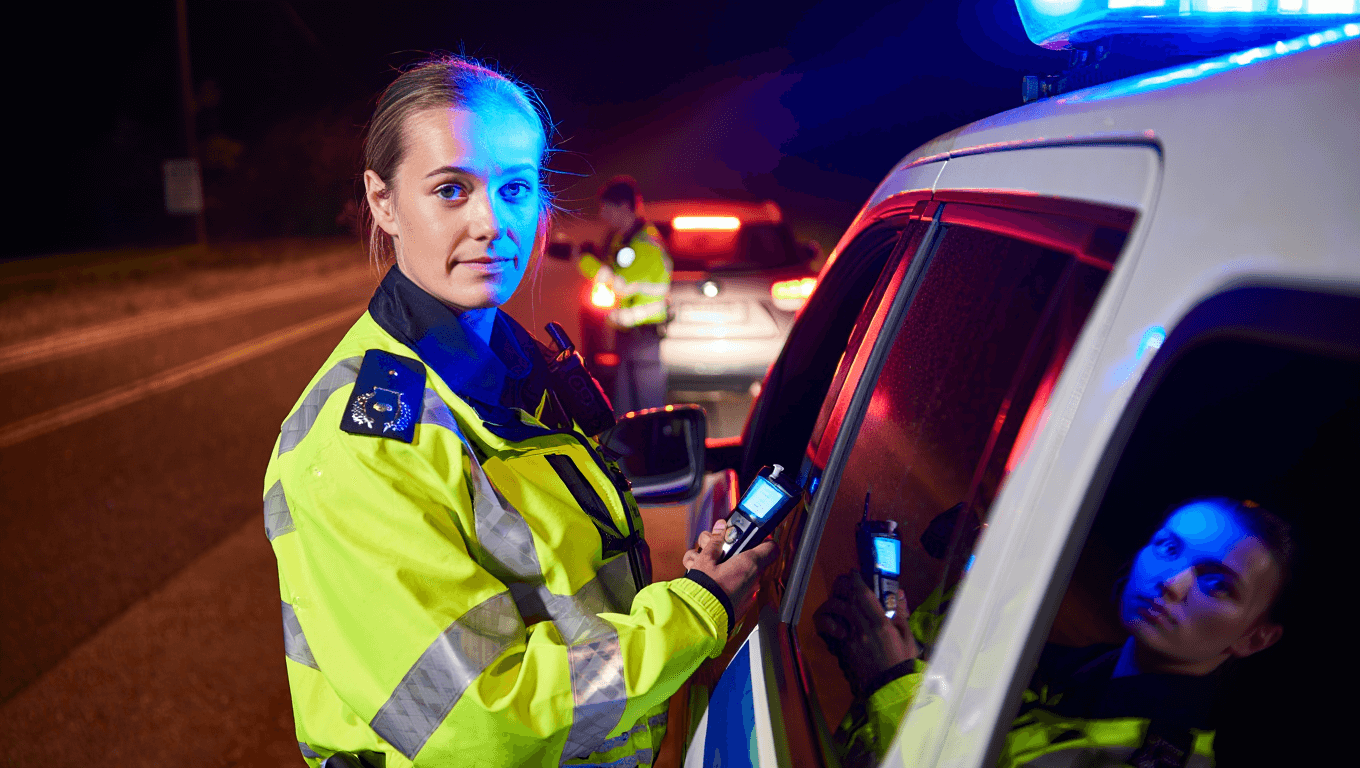
As the festive season approaches, the Department for Transport has announced a stepped-up effort to curb drink and drug driving across the UK. Police forces and government teams will combine new advertising, targeted enforcement and industry partnerships to push a simple message: don’t drive if you’ve consumed alcohol or drugs.
Stronger enforcement during the holidays: Operation Limit and local patrols
The operation will see more roadside checks and coordinated patrols over December. Local ministers joined officers on the ground to underline the scale of the rollout.
- Increased stop-and-checks at key times and locations.
- Police using intelligence to identify hotspots for drug-related driving.
- Cross-force collaboration to maintain a sustained presence.
Officials say enforcement will be the most robust in over a decade, with extra resources directed at reducing collisions linked to impairment.
New THINK! adverts map drug-driving danger zones
The government has commissioned a fresh wave of THINK! adverts. These use police data to highlight areas where drug driving is most common.
- Adverts target young male drivers, who data shows are at higher risk.
- Messaging focuses on consequences and real-world crash risk.
- Digital and outdoor ads aim to influence choices before people get behind the wheel.
Partnerships with drinks brands to promote alcohol-free options
Ministers are working with several beverage companies to normalise non-alcoholic alternatives this season.
Major brands have pledged campaigns and promotions that encourage drivers to choose zero-alcohol drinks.
- Selected pubs will offer zero-alcohol products free or at reduced cost for drivers.
- Brands involved include well-known lager and spirit producers promoting their 0.0 variants.
- Industry spokespeople emphasise responsible choices and safer roads.
The aim is to make the sober option visible and simple for anyone planning to drive.
Who is most affected: age and gender patterns in impaired driving
Official figures show a clear demographic pattern among those involved in drug-impaired crashes.
- A large majority of drivers impaired by drugs are male.
- A significant share are aged between 17 and 30.
These trends inform both the outreach tone and the placement of adverts and enforcement.
Legal consequences and penalties for drink and drug driving
Breaking the rules carries serious legal and financial implications. Penalties can be imposed swiftly following a conviction.
- Prison sentences for serious offences.
- Fines, which may be unlimited depending on the case.
- Minimum driving bans and fixed penalty amounts in some circumstances.
Authorities stress that penalties are substantial and intended to deter risky behaviour.
Examples of local actions and behaviour-change initiatives
Local ministers have taken part in on-site launches at venues to promote alcohol-free choices.
One launch included a branded campaign offering zero-alcohol serve options to drivers at participating pubs.
- Education drives at hospitality venues during peak hours.
- Direct collaboration between police, local councils and hospitality chains.
- Promotional activity to elevate the appeal of 0.0 drinks.
Practical tips for drivers this festive season
- Plan transport before social events if you intend to drink.
- Choose non-alcoholic drinks or nominate a sober driver.
- Remember that some drugs, whether prescribed or recreational, can impair driving.
- Use official ride services rather than risking a drive home.
Similar Posts:
- Drivers face driving bans, unlimited fines and prison: police ramp up roadside checks
- Millions of Britons Risk Fines, Jail Daily: Unknowingly Breaking Driving Laws!
- Police launch nationwide crackdown: drivers face instant car seizure
- Driving Bans, Jail Time Loom for Young Motorists: Major Road Offences on the Rise
- Major driving offence: Labour vows tough crackdown in new proposals

Naomi is a clean beauty expert passionate about science-driven skincare and natural remedies. She demystifies ingredients and shares routines that empower readers to glow — naturally.