
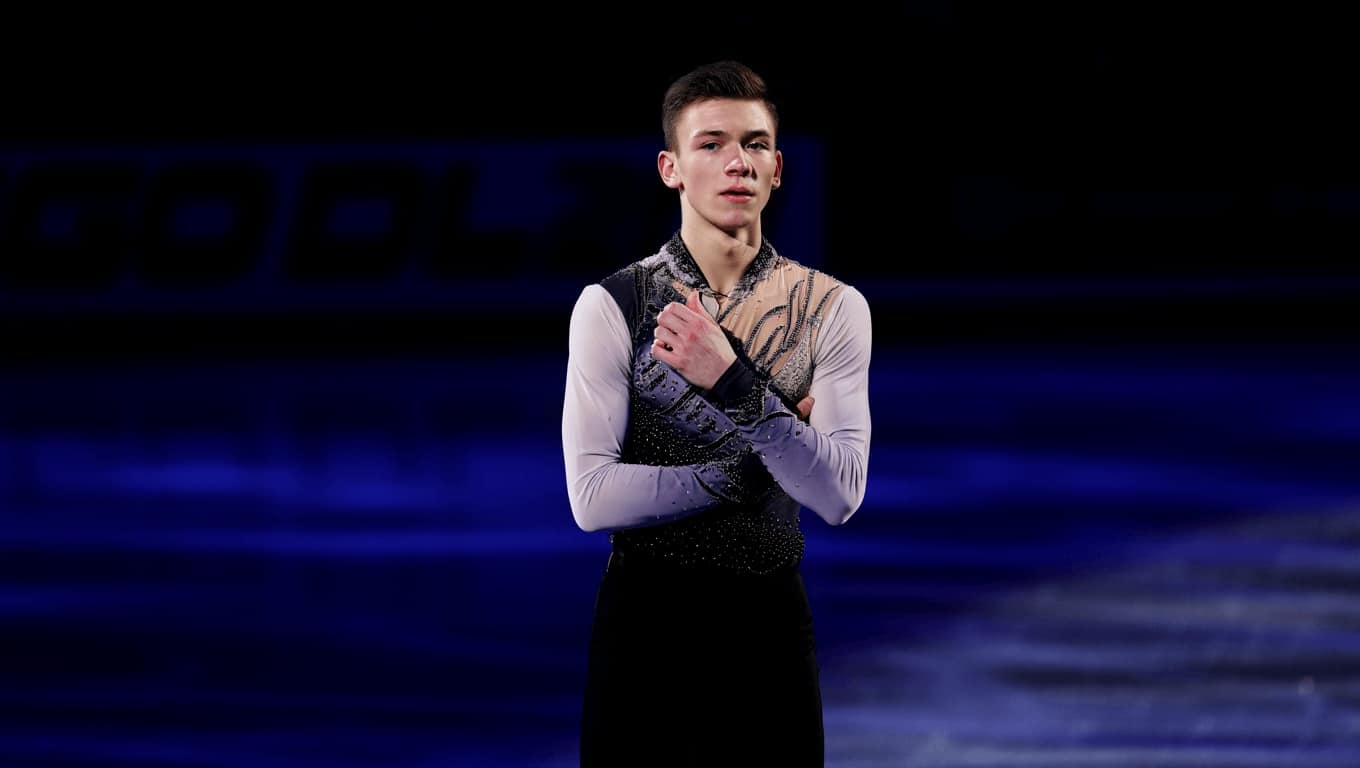
Ilia Malinin’s rise to stardom came on the strength of daring quadruple jumps and an electric competitive presence. Yet behind the flash of quadruples sits a quieter story of strain, setbacks, and choices that he says cost him a medal at a major event. The skater known as the “Quad God” is now talking about the unseen struggles that shape elite sport.
From viral jumps to sky-high expectations: how Malinin became a household name
Ilia Malinin’s technical breakthroughs made him a focal point for fans and media. His command of quadruple jumps pushed the sport’s limits. That success turned him into a lightning rod for attention.
- Technical innovation: His quad combinations and speed on ice redefined what many expected from a young champion.
- Rapid fame: Social media amplified every element of his skating, from training clips to competition runs.
- Public pressure: With fame came higher expectations from broadcasters, sponsors, and fans.
Invisible battles that affect elite performance
High-level figure skating demands more than physical skill. Athletes grapple with issues that spectators rarely see.
Mental and emotional strain
Pressure to deliver on big jumps can create anxiety. Constant scrutiny changes how a skater approaches competition.
- Fear of failure can alter risk-taking in a program.
- Comparisons to past performances feed self-doubt.
- Media cycles can amplify every mistake, making recovery harder.
Physical wear and unseen injuries
Repetitive training for quads places massive loads on the body. Some injuries happen slowly and remain under the radar.
- Microtrauma to joints and tendons can reduce consistency.
- Fatigue masks as technical lapses during competition.
- Short-term fixes often delay long-term healing.
How these factors combined to cost a podium finish
When mental strain and physical limits intersect, the result can be unsteady performances. In Malinin’s case, those collisions cost him a shot at the podium.
- On tough days, timing and speed for quads can slip by milliseconds.
- Small technical errors multiply under pressure and affect scoring.
- Recovery strategies sometimes clash with training demands, leaving room for mistakes.
Adjustments in training, recovery, and competition planning
Top skaters and their teams respond by changing routines. Malinin and his support network are said to be rethinking key elements.
Training smarter, not just harder
- Prioritizing quality repetitions over volume.
- Incorporating cross-training to reduce repetitive strain.
- Using data and video to refine jump timing and entry.
Mental health and performance coaching
- Working with sports psychologists to manage anxiety.
- Practicing visualization and pressure simulations.
- Building routines to stay present during competition.
What fans, federations, and media can do
Support systems influence recovery and longevity. Small shifts in how we talk about athletes can make a practical difference.
- Recognize the limits of social-media-driven expectations.
- Give athletes space to manage setbacks privately.
- Encourage programs that balance performance with long-term health.
Where Malinin goes from here and what to watch
Expect him to refine technique, protect his body, and manage pressure more deliberately. His next competitions will reveal how the adjustments take hold.
- Watch for changes in jump selection and program pacing.
- Notice whether recovery periods are prioritized over immediate competition.
- See how mental-preparation practices show up under pressure.
The broader lesson for elite sport
Malinin’s experience highlights a growing truth: technical brilliance alone does not guarantee medals. The margins at the top are shaped by unseen forces.
Athletic success increasingly hinges on how teams manage the invisible battles—mental strain, creeping injuries, and relentless expectation.
Similar Posts:
- Seahawks stars Darnold, Walker celebrate Super Bowl win: spin on Disneyland’s Mad Tea Party
- Doctor reveals which muscle to train to reduce sugar levels efficiently
- Darryl McDaniels of Run-DMC embraces sobriety: I’m not afraid to face myself
- Jayson Tatum discusses Achilles pain management: what he revealed about recovery
- Justin Timberlake reveals relentlessly debilitating Lyme disease battle
Cole is a passionate vegan dessert artist with a knack for turning indulgent classics into plant-based masterpieces. His sweet creations are where flavor meets conscious living.