
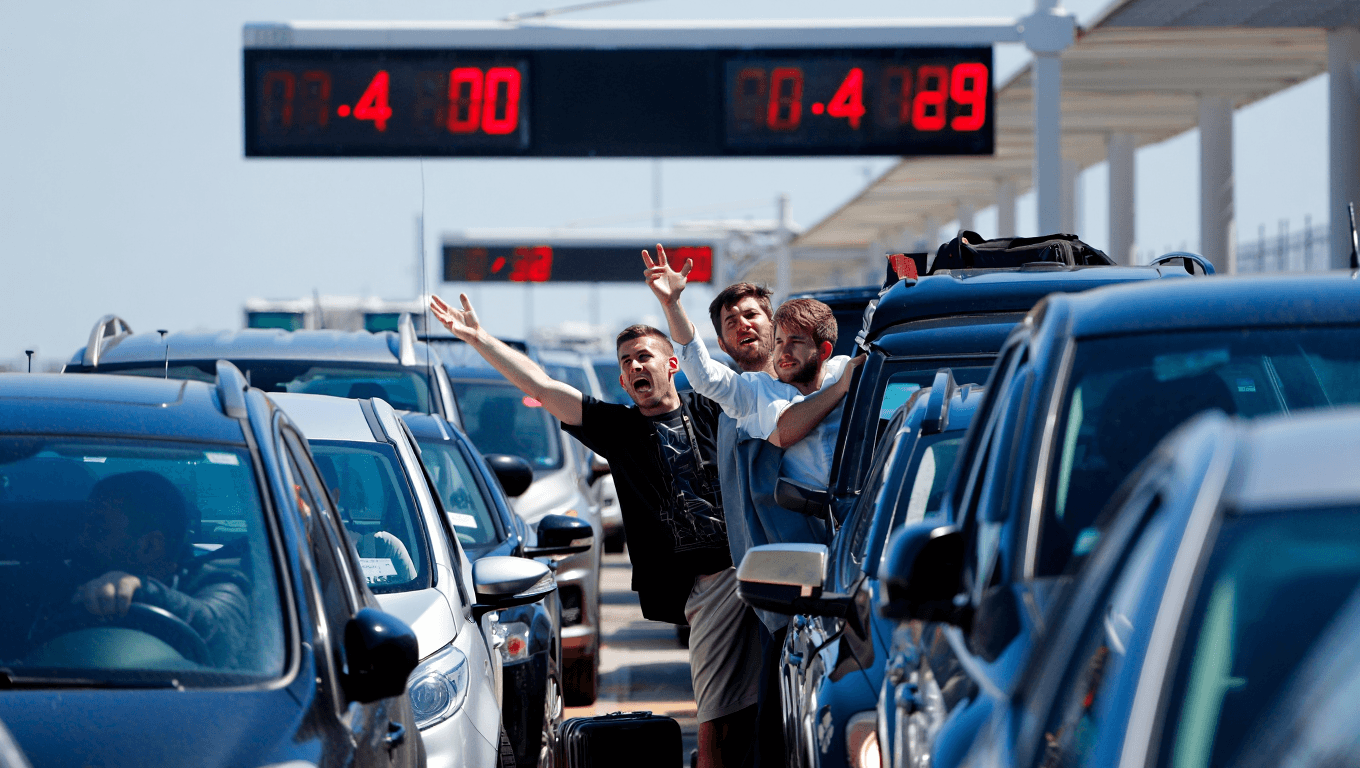
Anger is rising among UK motorists as airport drop-off fees climb sharply, sparking a petition that urges ministers to give regulators more control over parking charges. Campaigners say unchecked increases are hitting families and vulnerable travellers and want fresh rules to curb what they call unfair pricing.
Campaign demands: cap fees, introduce a short grace period
Organisers behind the petition want the Government to hand new powers to the Civil Aviation Authority (CAA). Their requests include:
- Granting the CAA authority to audit and cap drop-off and short-stay parking fees.
- Introducing a free 10-minute grace period for drop-offs at airports.
- Preventing airports from using drop-off zones as a major revenue stream.
Supporters argue these steps would increase transparency and stop airports from labelling profit-driven charges as mere “cost recovery.”
Which airports have raised charges and by how much
Several UK airports have announced notable hikes in recent months. Examples highlighted by motorists include:
- Belfast City Airport — price rises of roughly a third.
- Newcastle Airport — significant increases to short-stay tariffs.
- Stansted Airport — a near 50% jump, now charging around £10 for a brief stop.
- Gatwick — also charging £10 for a 10-minute drop-off in some areas.
Drivers say these changes make short visits to the terminal costly and disproportionate to the time vehicles are parked.
Voices from motoring groups and industry bodies
Motoring organisations warn that steep rises add pressure on households already managing tight budgets. The RAC has described some short-stay fees as excessive for a stop of only minutes.
By contrast, Airports UK and other industry representatives maintain the fees help manage traffic and reduce congestion. They say free options for dropping off passengers still exist at most airports, and that pricing supports wider operational goals, including emissions control.
Transparency concerns and the petition’s wording
Campaigners say the phrase “cost recovery” is sometimes used without clear accounting to back it up. The petition calls for independent audits so the public can see how fees are calculated.
Supporters claim that, without oversight, airports can effectively impose a hidden tax on people dropping off or collecting travellers. They say this disproportionately affects the elderly and disabled.
How many have signed and how to back the campaign
The petition, started by Spiros Saragoudas, has already attracted thousands of signatures. It asks the Government to act and to consider new rules before the issue becomes normalized.
Those wishing to add their name are urged to sign before the deadline in mid-September. Drivers have until September 17 to support the campaign, according to the petition page.
Possible regulatory next steps for Labour or any incoming government
If ministers decide to respond, options include:
- Amending the CAA’s remit so it can challenge or cap airport charges.
- Mandating clearer public reporting from airports on how drop-off fees are set.
- Requiring a minimum free drop-off window across major airports.
Any move to expand regulator powers would likely trigger debate about market intervention and the balance between traffic management and consumer protection.
What drivers say
Many drivers describe routine trips to the airport as increasingly painful on the wallet. Families who accompany travellers say rising costs turn short goodbyes into expensive errands.
Campaigners argue that simple, enforceable measures could ease the pressure while keeping traffic controls in place.
What airports say about congestion and alternative options
Airports stress that their pricing structures aim to deter long idling and reduce peak-time congestion. They point to existing alternatives such as longer-term car parks, off-site drop zones, and public transport links.
Still, critics counter that alternatives are not always practical, especially for people with mobility needs or heavy luggage. They want policymakers to weigh those realities when considering regulation.
Similar Posts:
- Gatwick Airport reveals new drop-off charge: travellers call it a rip-off
- Parking charges for SUVs and large cars to be voted on in UK city: it’s only fair
- Highway Code shake-up: motorists may get new grace period
- British drivers back 80mph motorway limit: ready for review
- Motability changes could hit thousands with new costs: Labour urged to scrap plans

Naomi is a clean beauty expert passionate about science-driven skincare and natural remedies. She demystifies ingredients and shares routines that empower readers to glow — naturally.